Rose Gold Engagement Rings
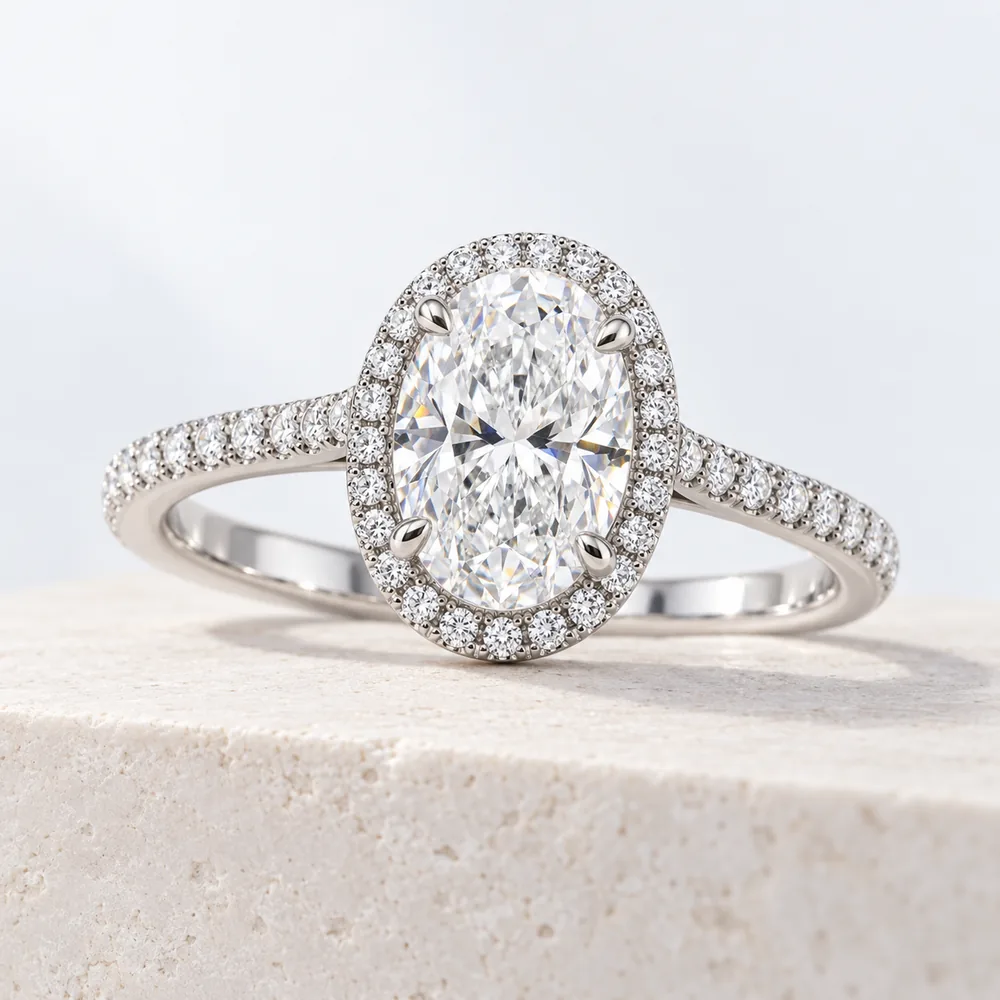
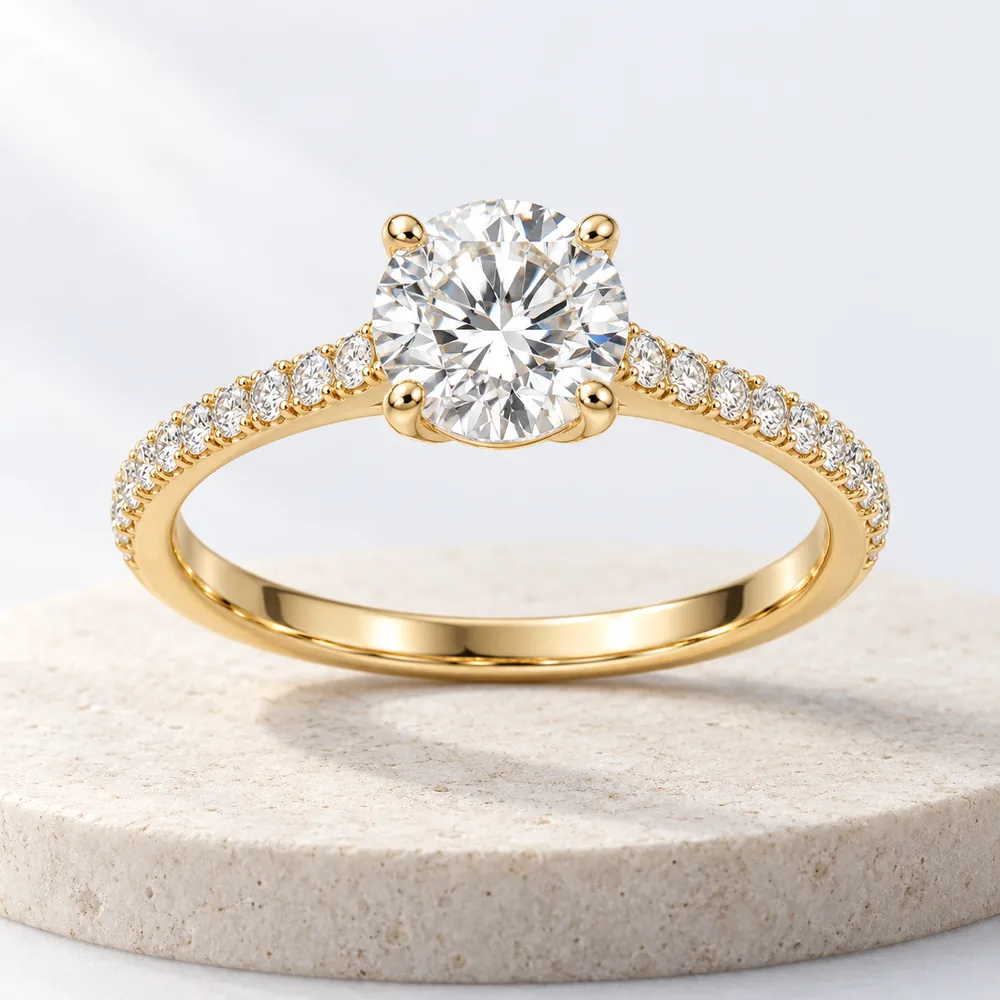
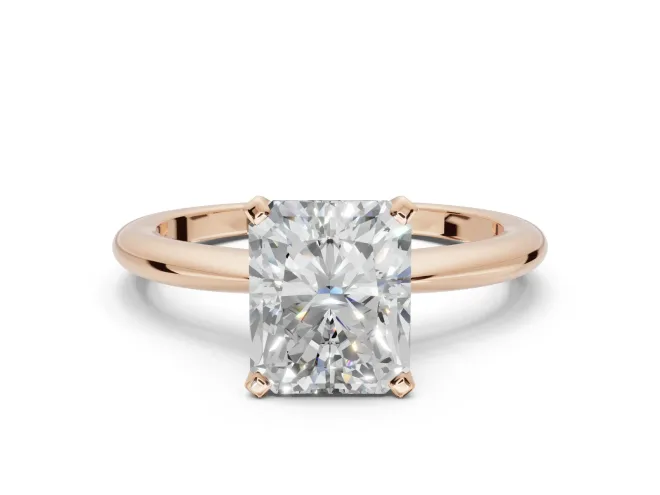
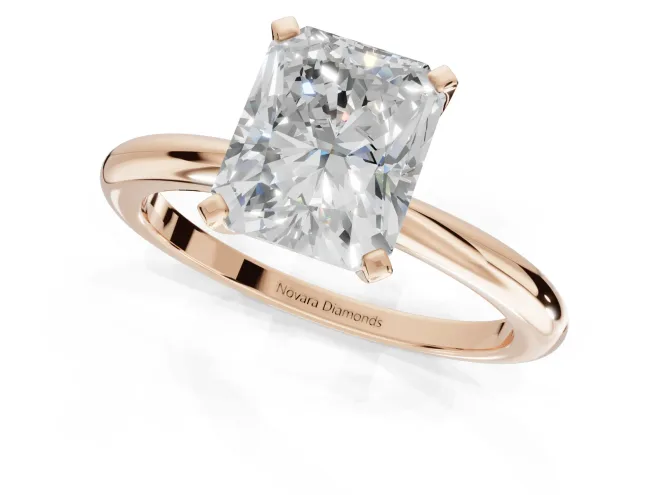
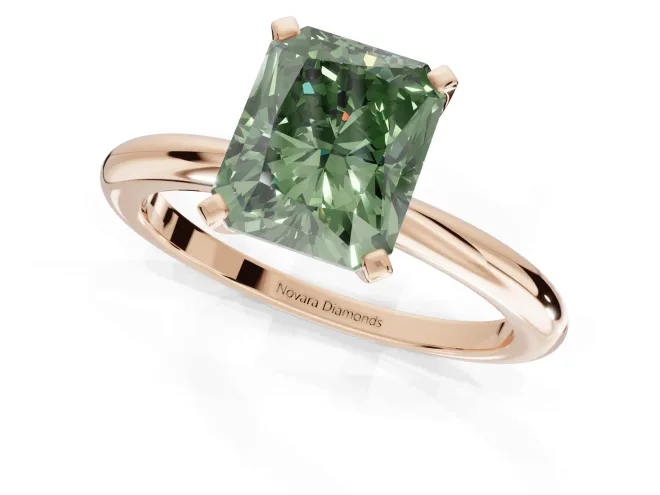
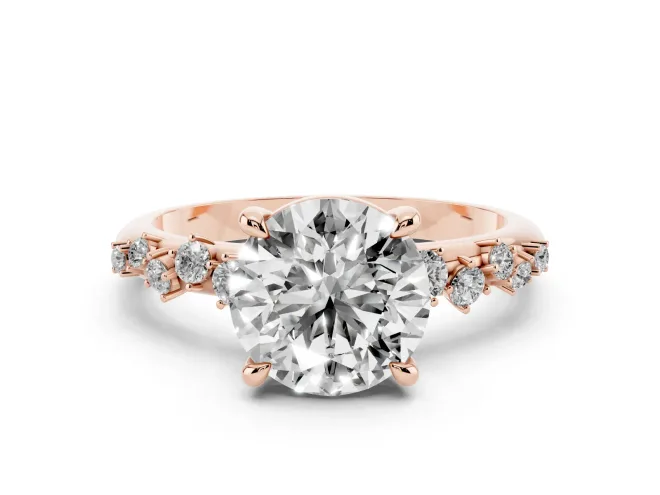
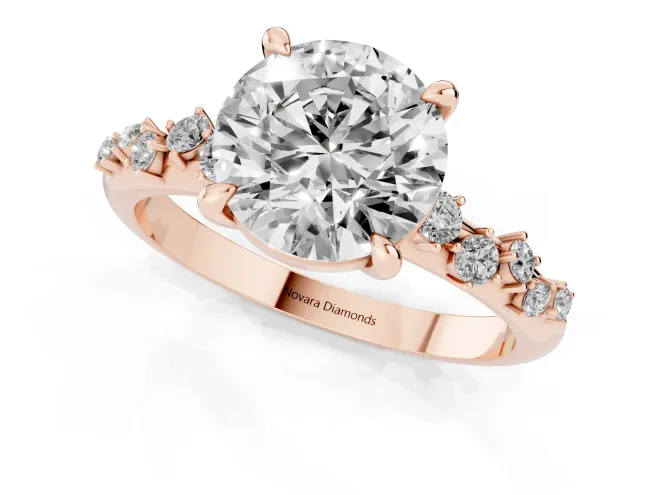
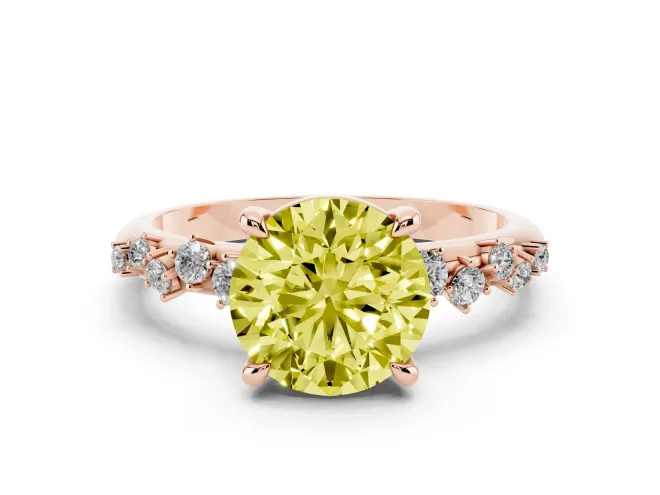
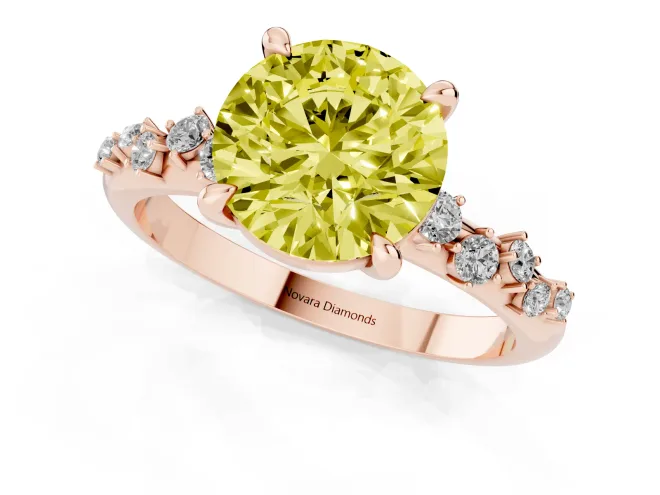
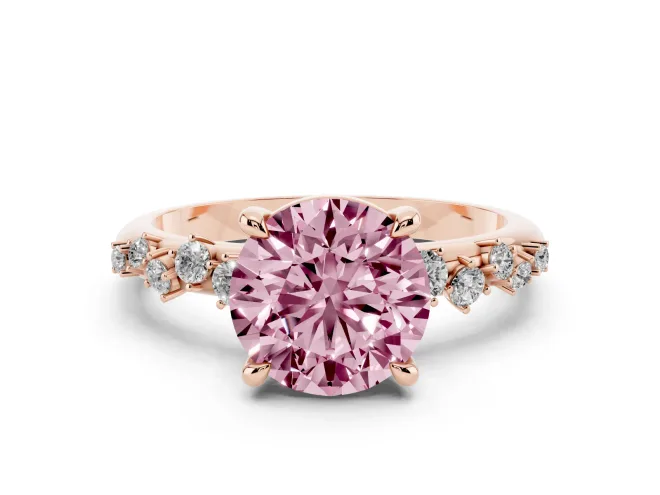
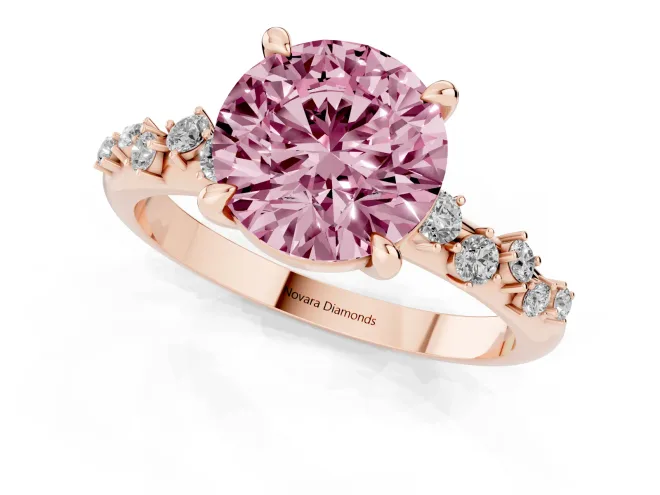
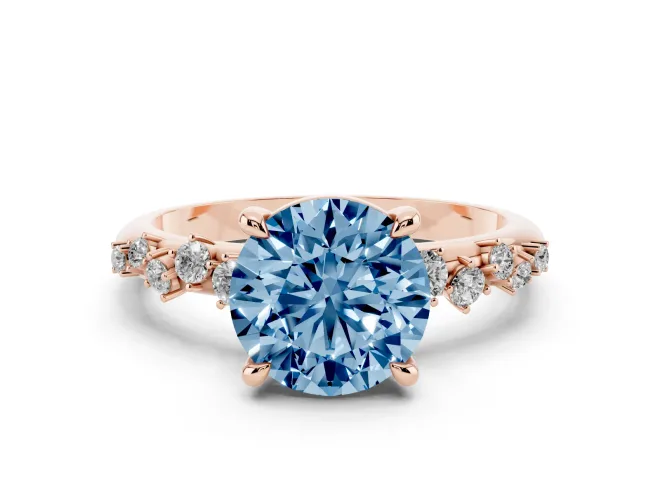
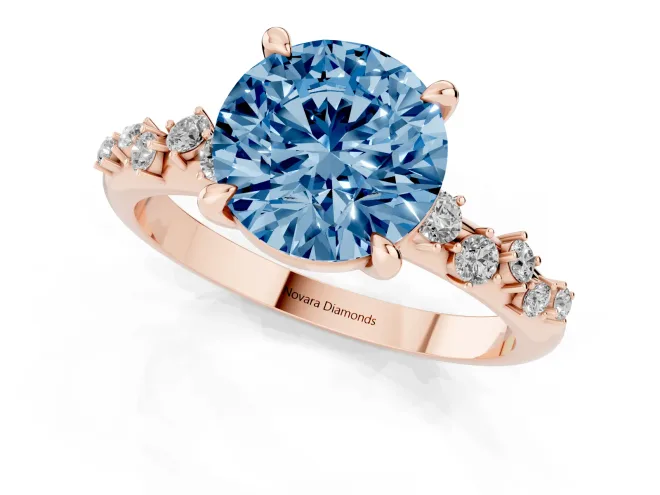
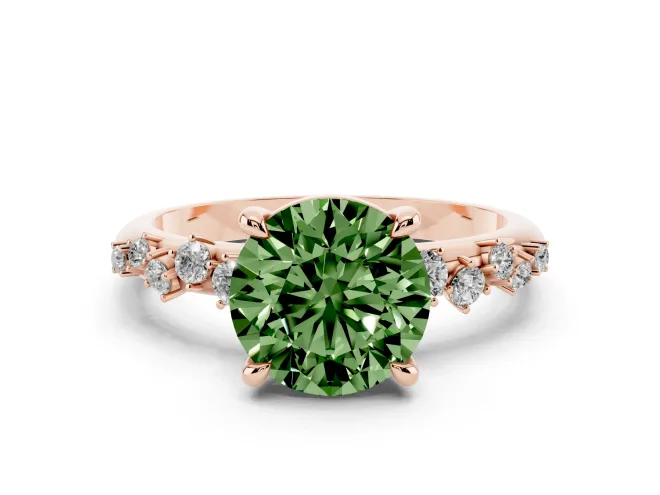
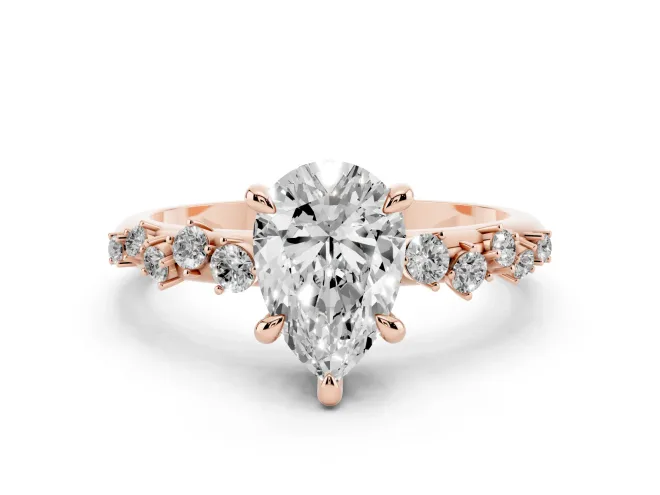
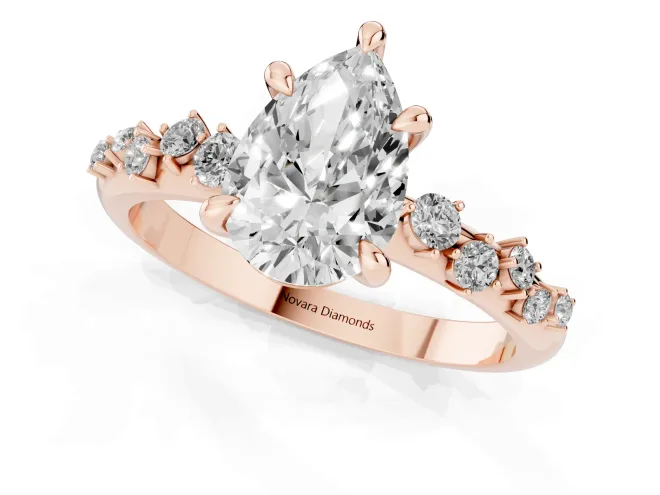
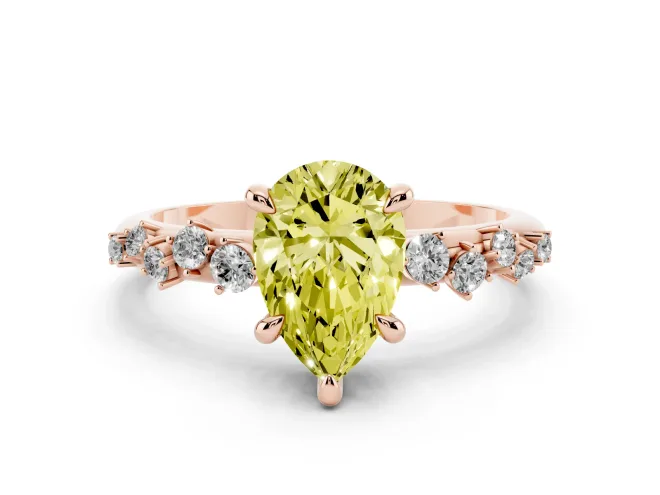
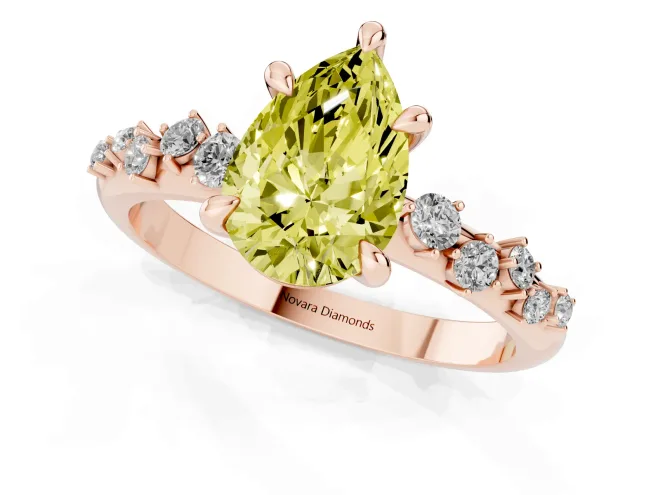
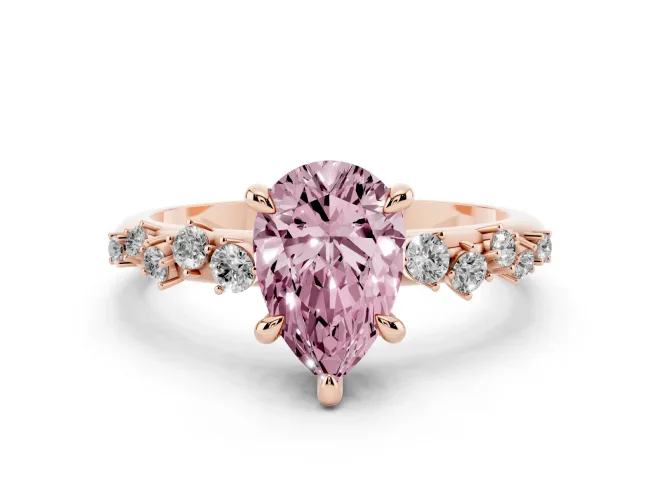
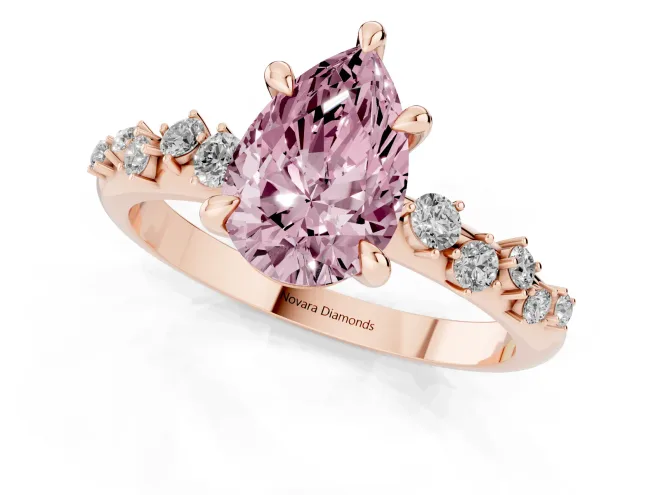
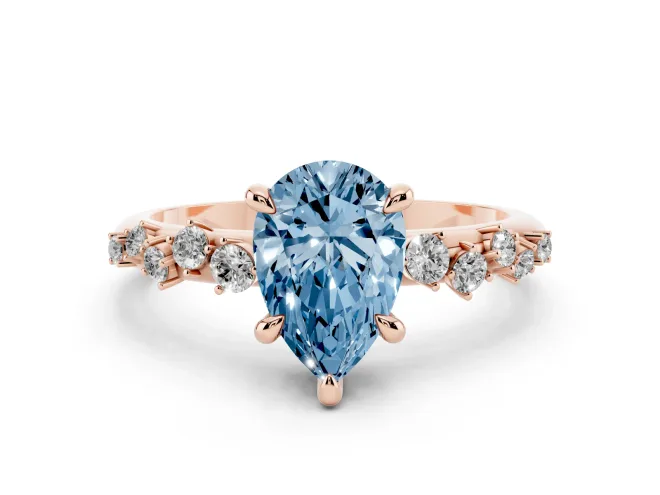
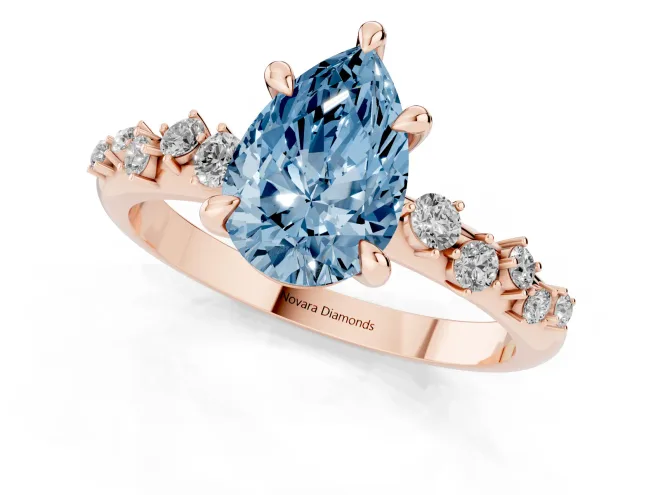
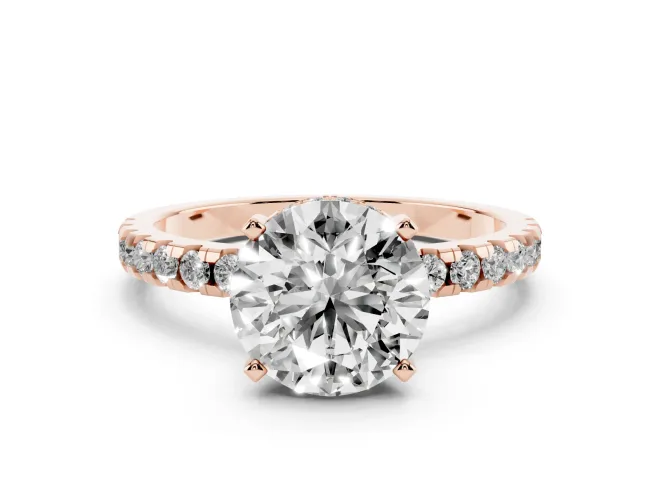
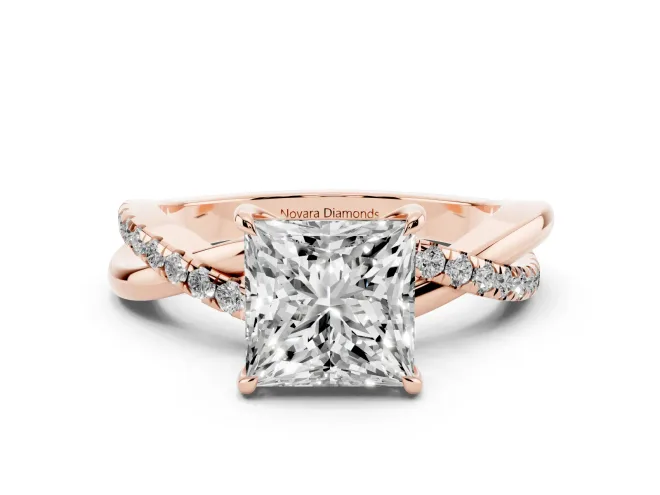
Warm metal that flatters a bright center. Each of these engagement rings in rose gold is a setting shaped around one center outline, whether round, oval, pear, cushion or heart. Pick 10K, 14K or 18K on the product page; the center diamond comes afterward, colorless or, on most mountings, a fancy pink, yellow, blue or green.




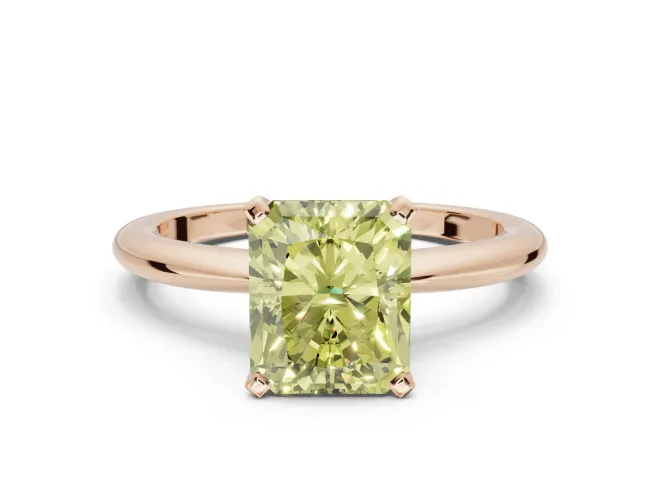
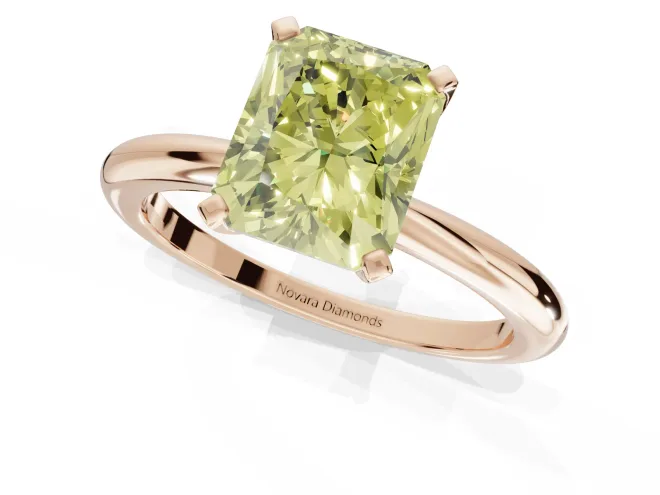
$429 $858
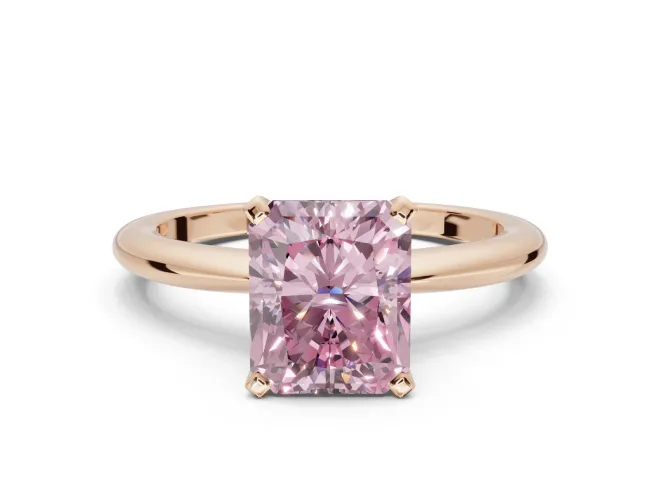
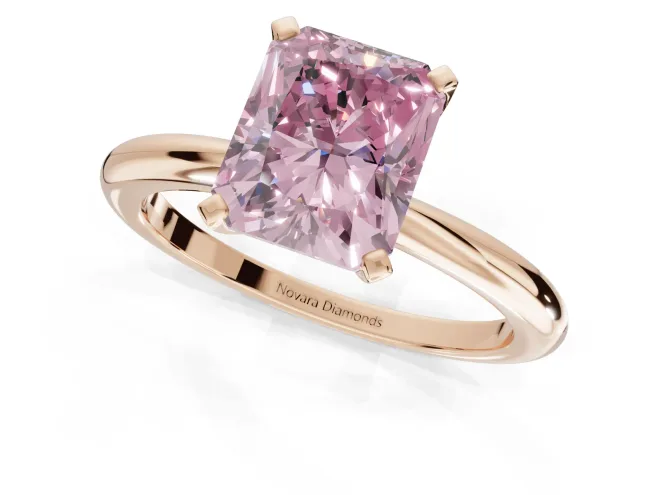
$429 $858
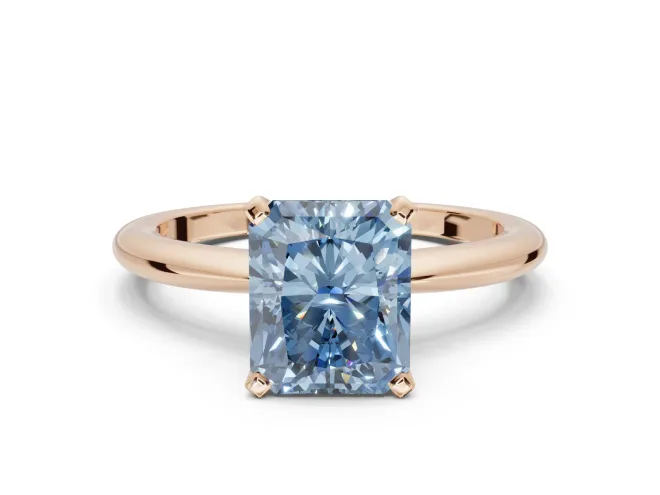
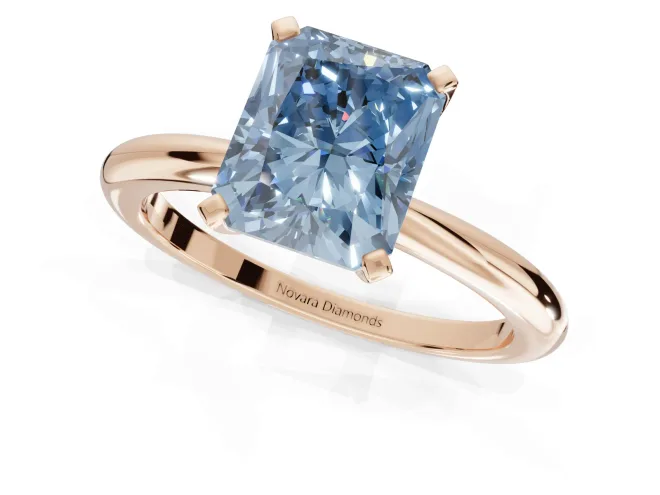
$429 $858
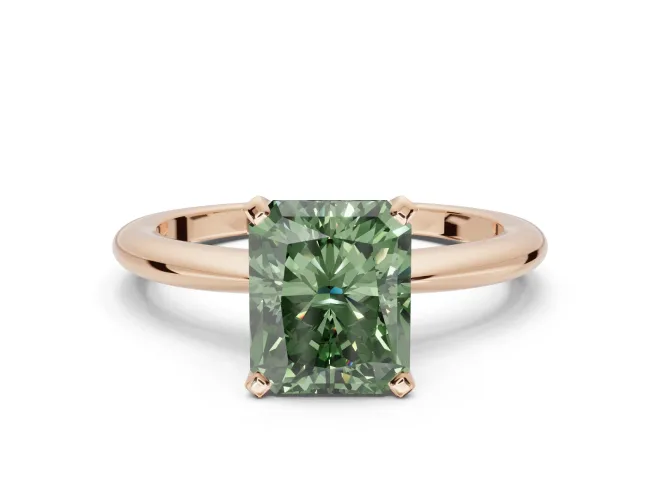
$429 $858
$479 $958
$479 $958
$479 $958
$479 $958
$479 $958
$479 $958
Showing 1–14 of 2086
More to discover
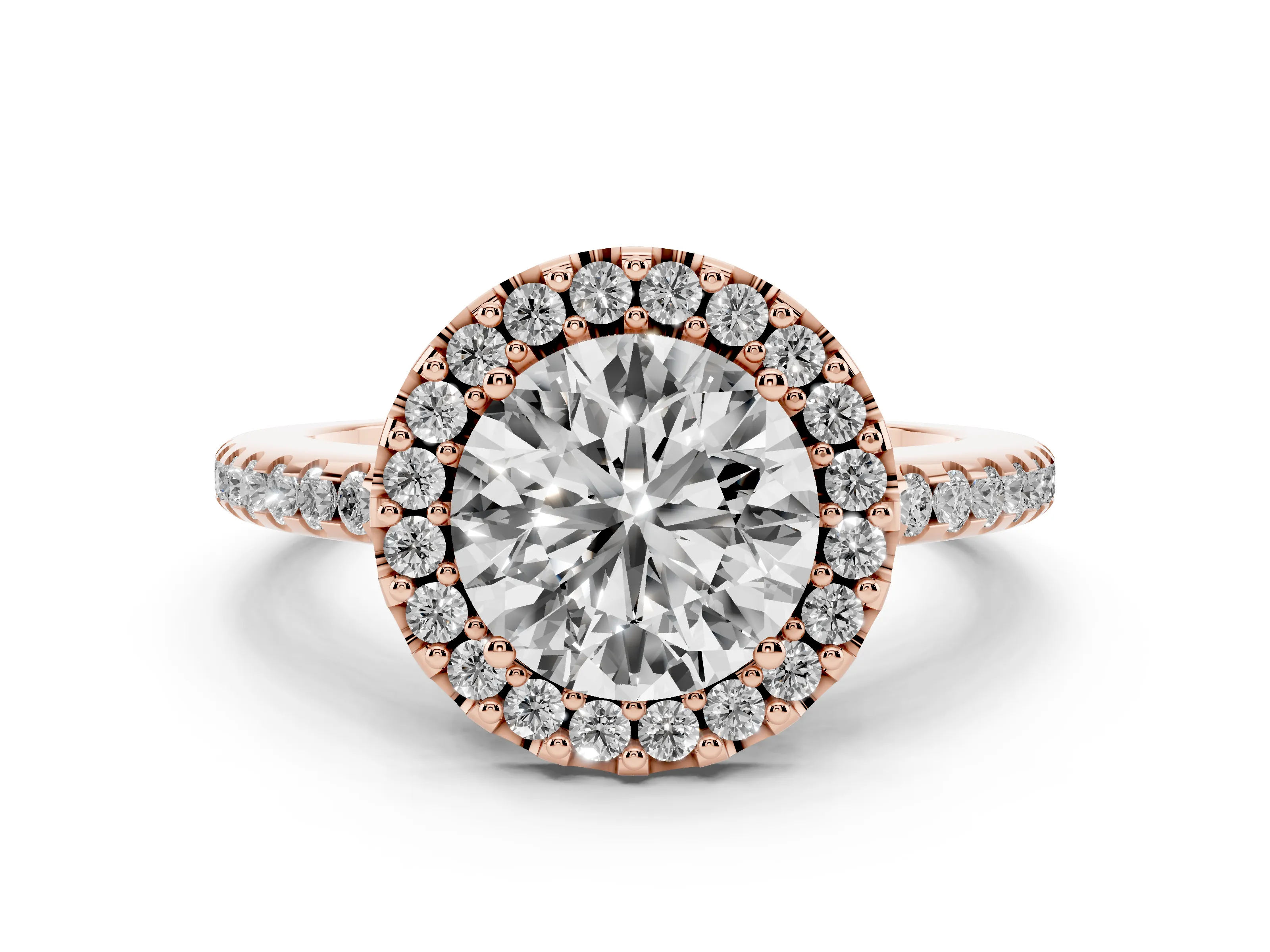
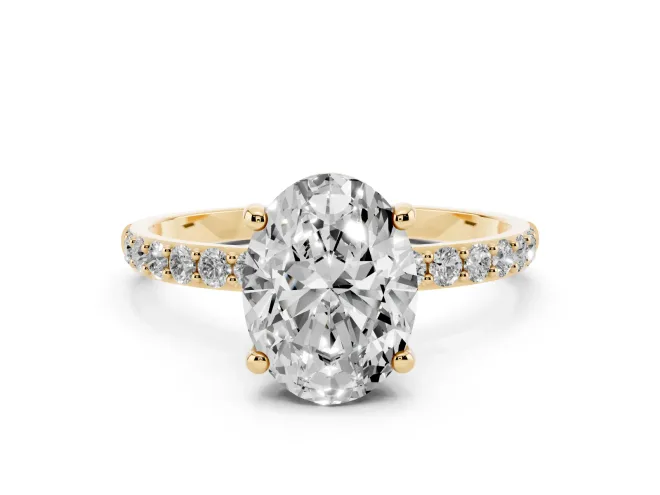
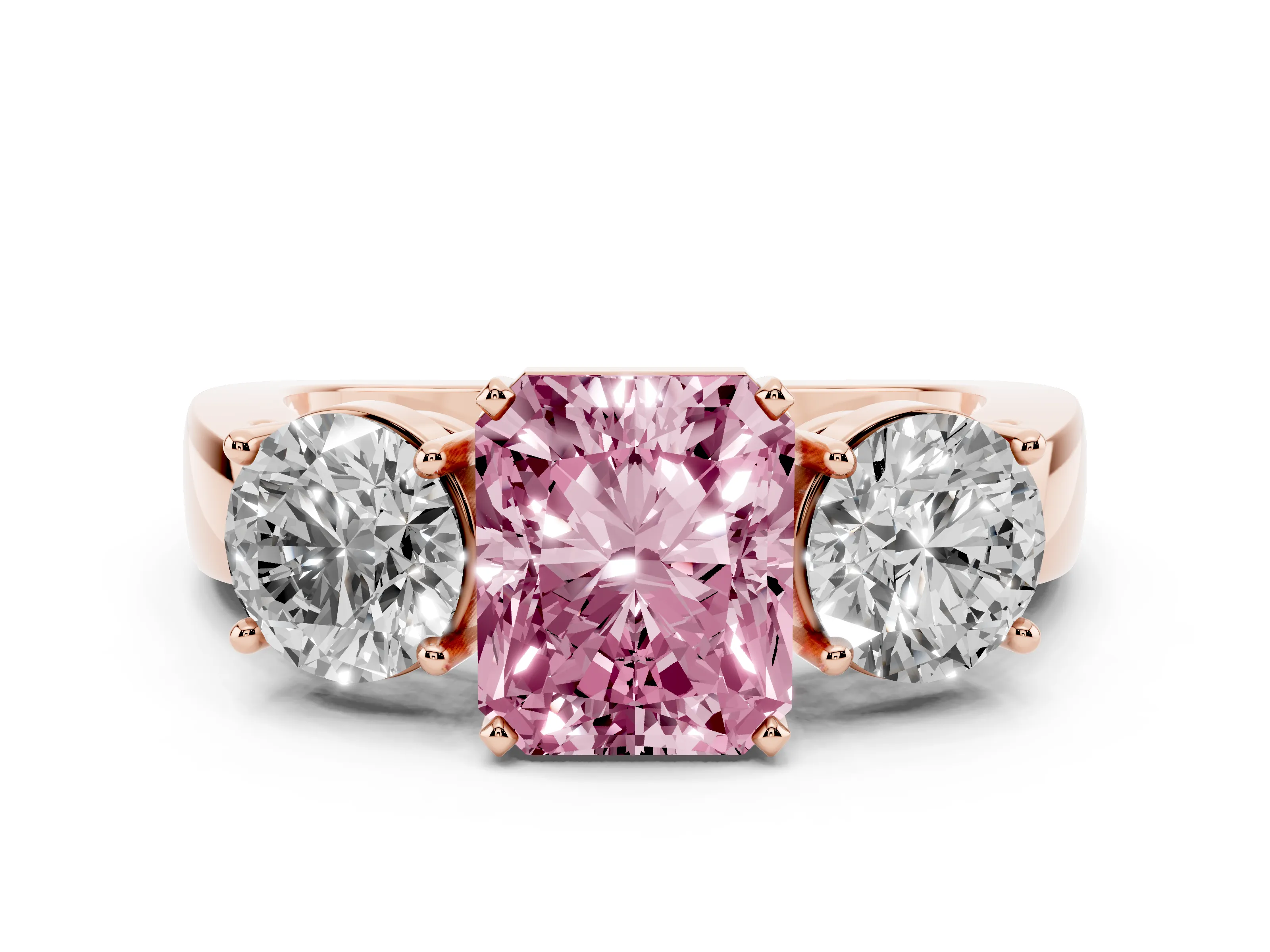
How karat changes the pink
The blush comes from copper melted in with the gold, and karat decides how much.
- 10K: the most copper, so the deepest coppery tone and the hardest surface.
- 14K: a middle rosy shade, a common pick for engagement rings.
- 18K: richer in gold, so the pink turns softer and more golden.
Which centers glow in rose
A colorless center gains contrast against pinkish metal, which makes it read icier. Fancy pink centers melt into the shank for a tonal look, while yellow or green centers set up a warmer pairing. Pavé shoulders and halo collars in this collection carry lab-grown diamond accents that pick up a faint blush from the metal around them.
Styles worth comparing
Clean solitaires let the copper warmth do the talking. Vintage designs with milgrain and engraving suit rose especially well, since the beading catches a coppery highlight. Floral, twisted and split-shank mountings add movement along the band, and most settings land between roughly $970 and $1,280, center not yet included.
Caring for rose gold
Rose gold needs no rhodium plating, so there is no white layer to wear thin. Over years the surface can deepen slightly in tone, which many owners like. Keep chlorine away from it, since pool water can pit the alloy, and store it apart from harder pieces that might scuff the polish.
Rose Gold Engagement Rings: Common Questions
Rose gold vs white gold engagement rings: which is better?
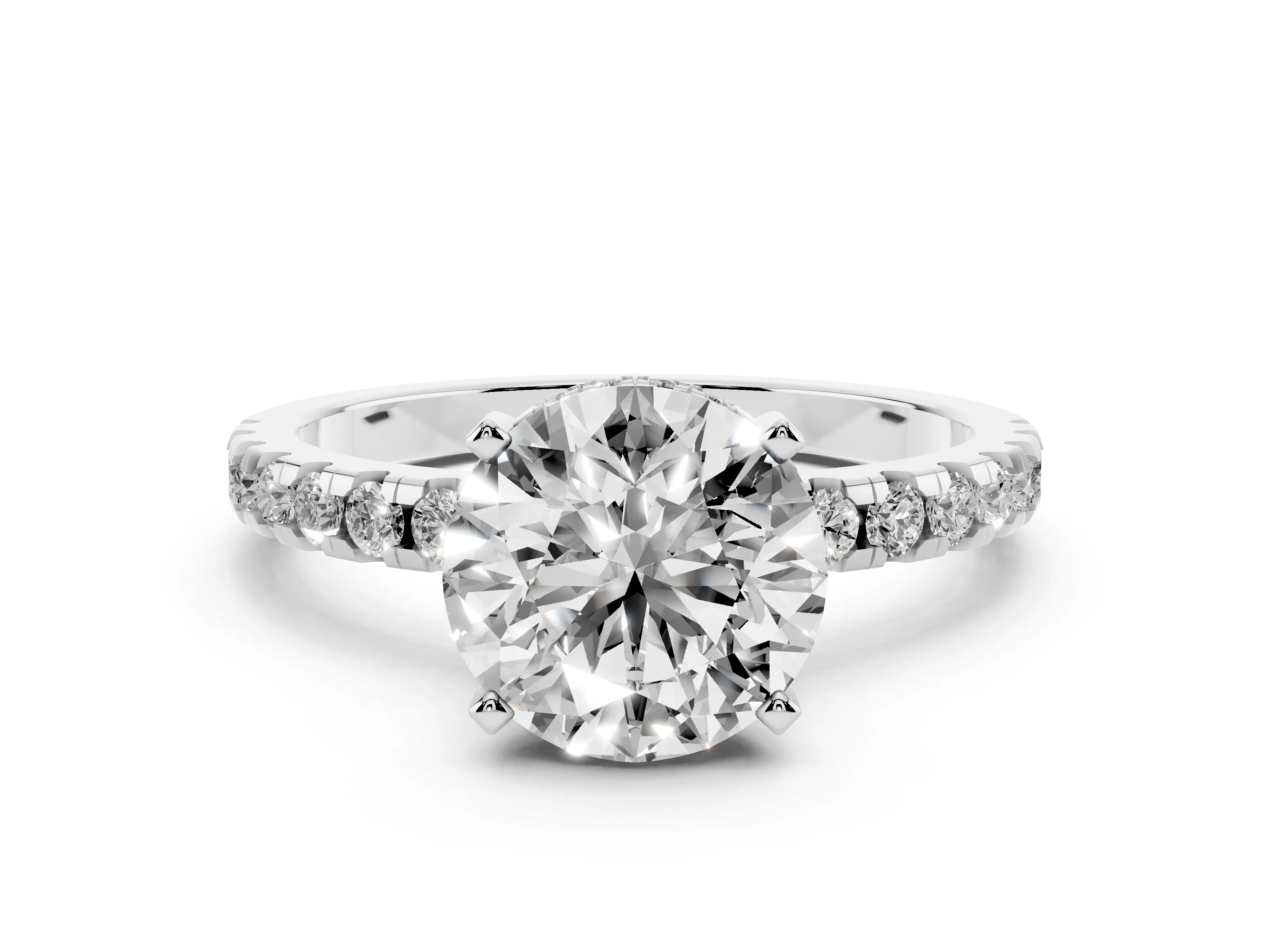
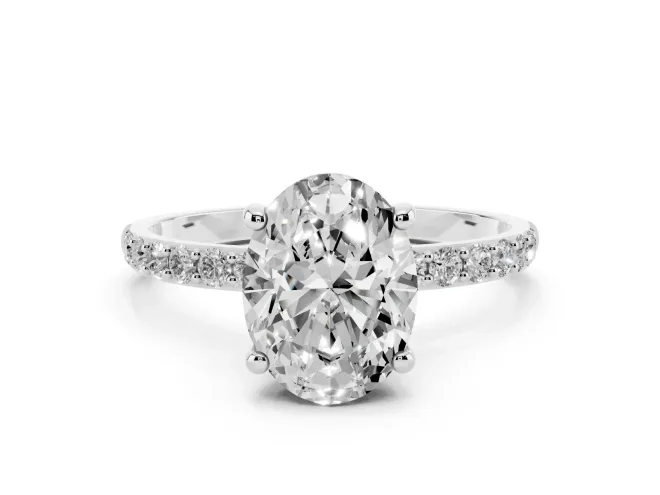
Neither wins outright; the answer hinges on taste and upkeep. Rose gold never needs replating and its copper makes it tough, whereas the white alloy is normally rhodium-dipped and redipped every year or two. Pink metal lends a colorless stone warmth; white metal pushes it icier.
Rose gold vs yellow gold engagement rings: which is better?
Both are solid gold at the same karat, so value and wear are close. Rose holds more copper, which makes it a touch harder and gives the pink cast; yellow keeps the classic buttery shade. Rose suits cooler, pinkish skin tones and vintage designs, while yellow reads more traditional against most complexions.
How long will rose gold last?
Rose gold lasts a lifetime with ordinary care. Copper stiffens the alloy a little beyond yellow of equal karat, so the band resists dents and scratches well. It has no plating to wear off, and any fine scratches can be polished out. Prongs on a raised center deserve a check every year or so.
How do jewelers make rose gold?
Jewelers melt pure gold with copper and usually a little silver to create rose gold. The more copper, the redder the result: 10K carries the most and looks deepest, whereas 18K, heavier on gold, shifts toward peach. The metal is then cast or shaped into the ring and polished.
What is the best way to clean a rose gold ring?
Let it sit a few minutes in tepid water with a squeeze of gentle dish liquid, then work a soft-bristled brush around it, especially under the center and between pavé accents. Rinse, then pat dry with a lint-free cloth. Avoid chlorine, bleach and abrasive pastes, which can dull or pit the copper alloy.


