Rings
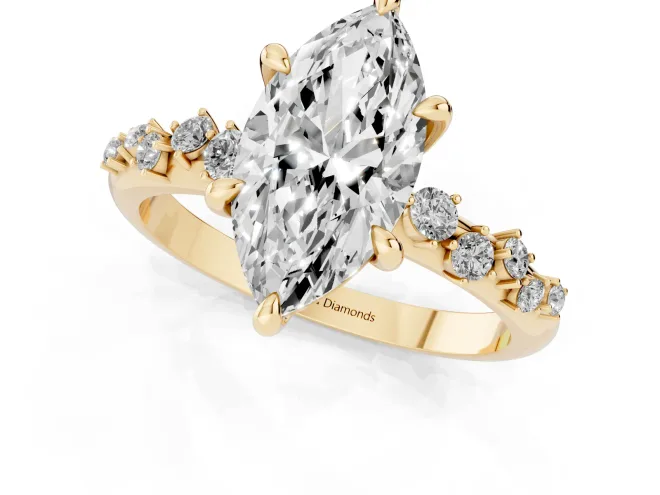
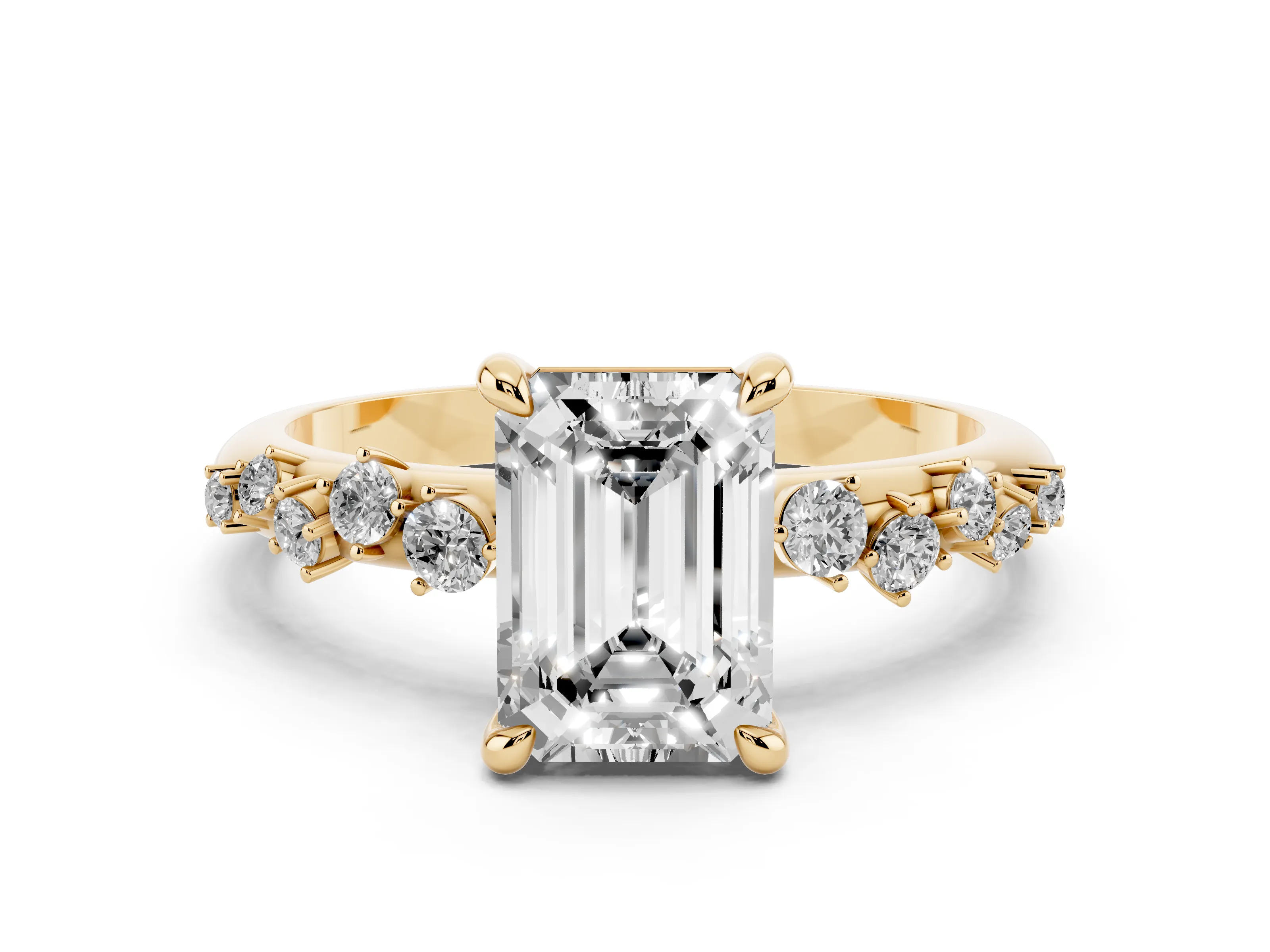
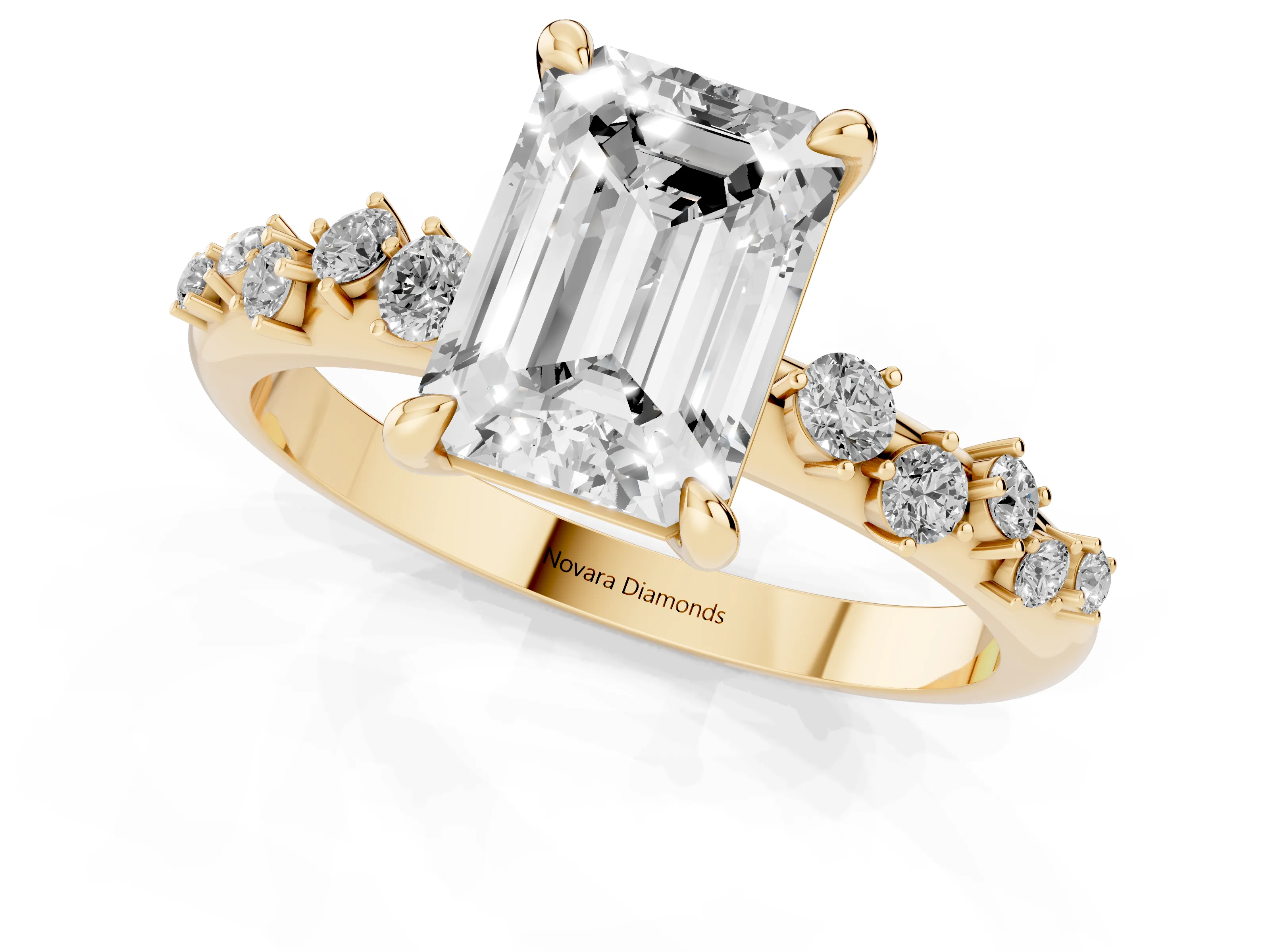
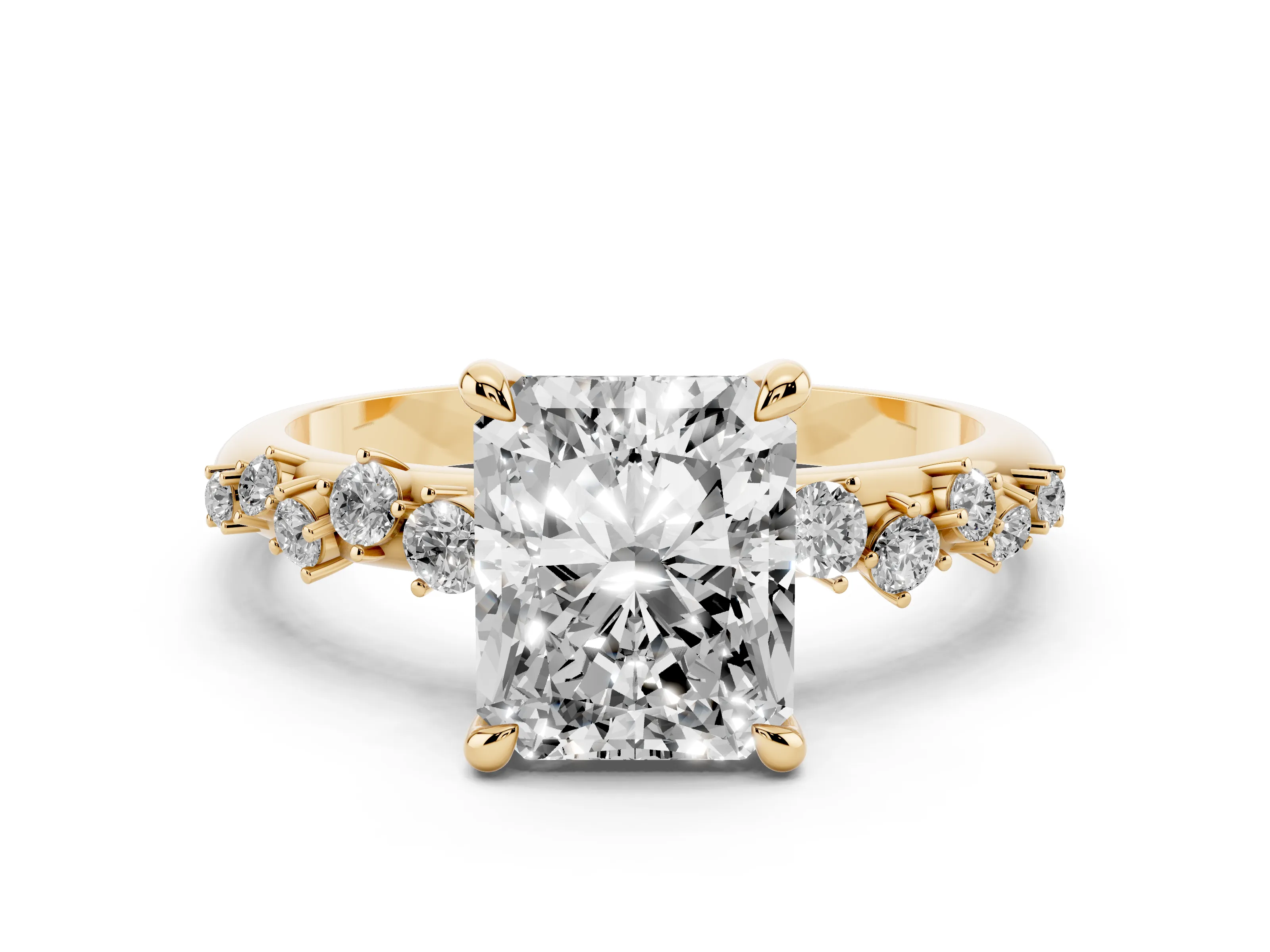
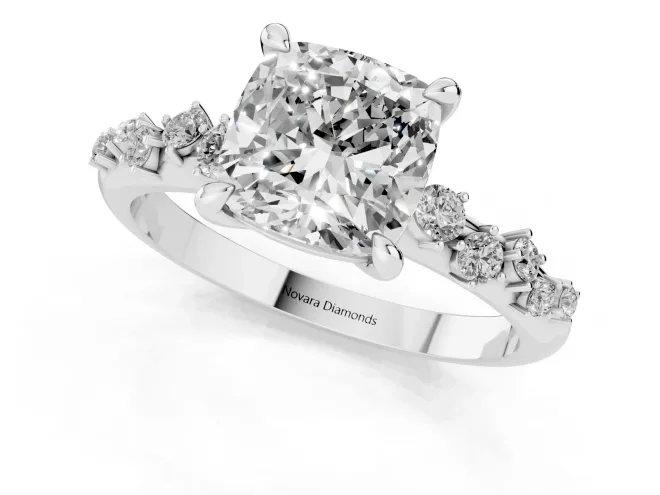
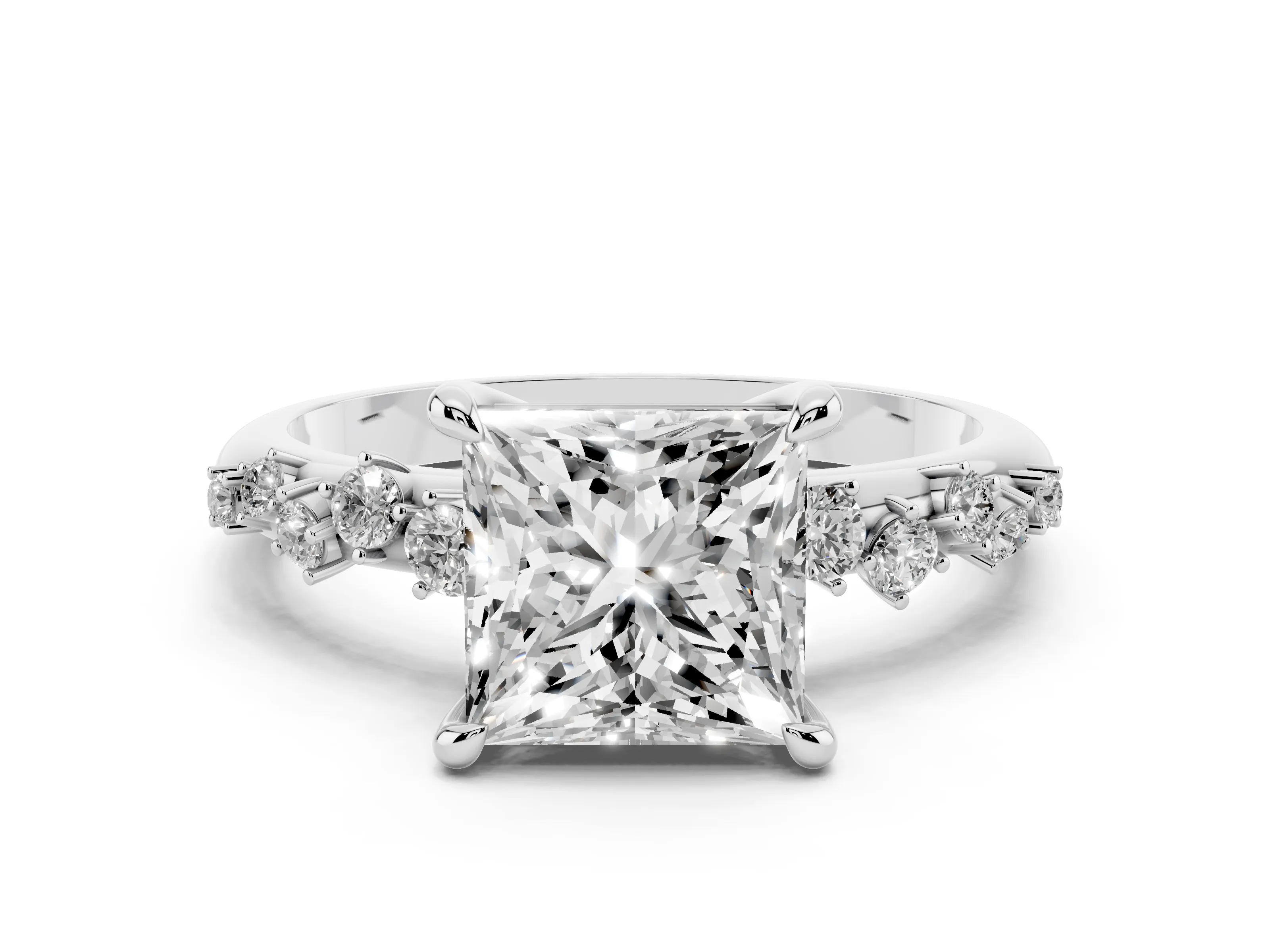
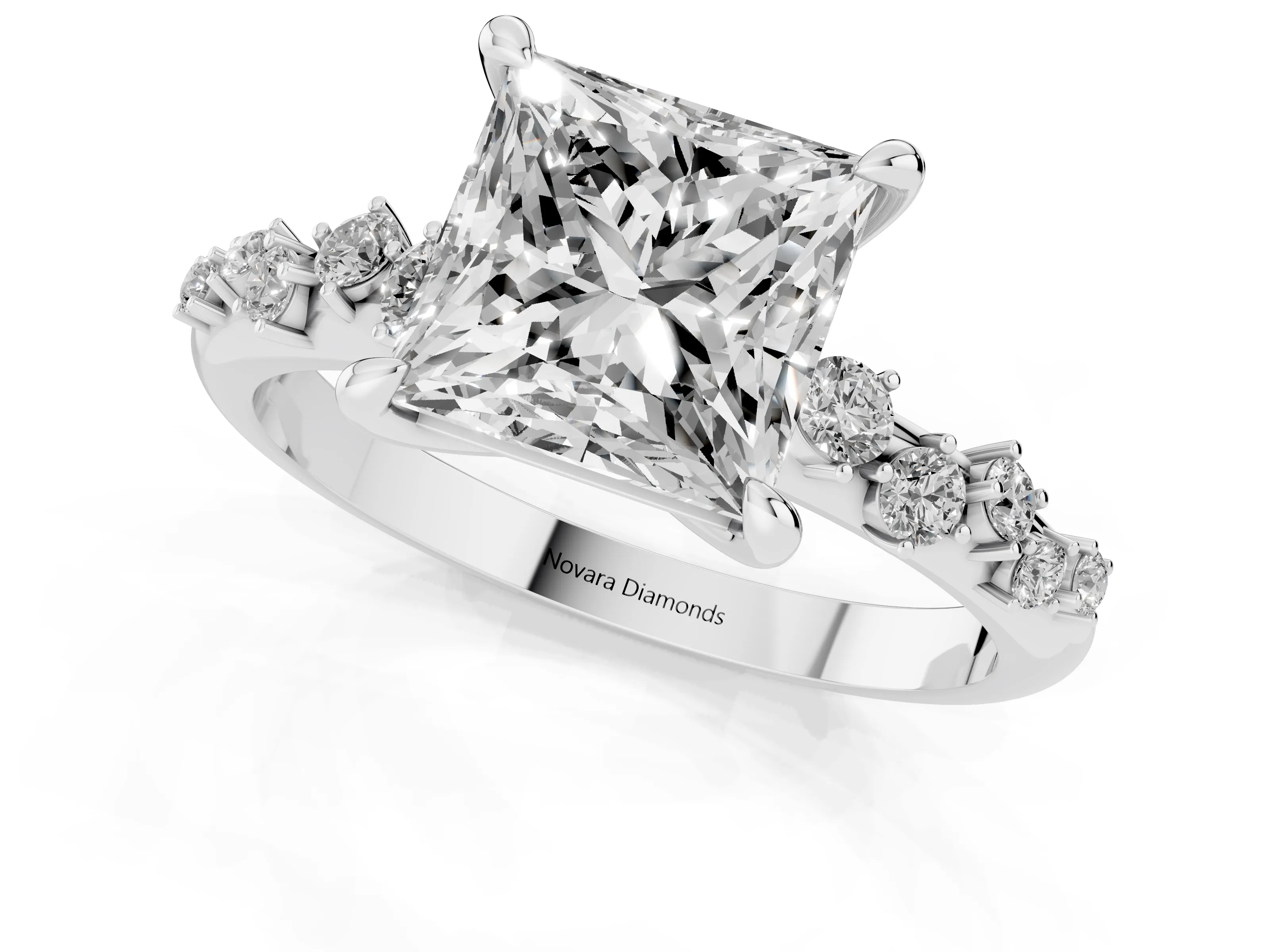
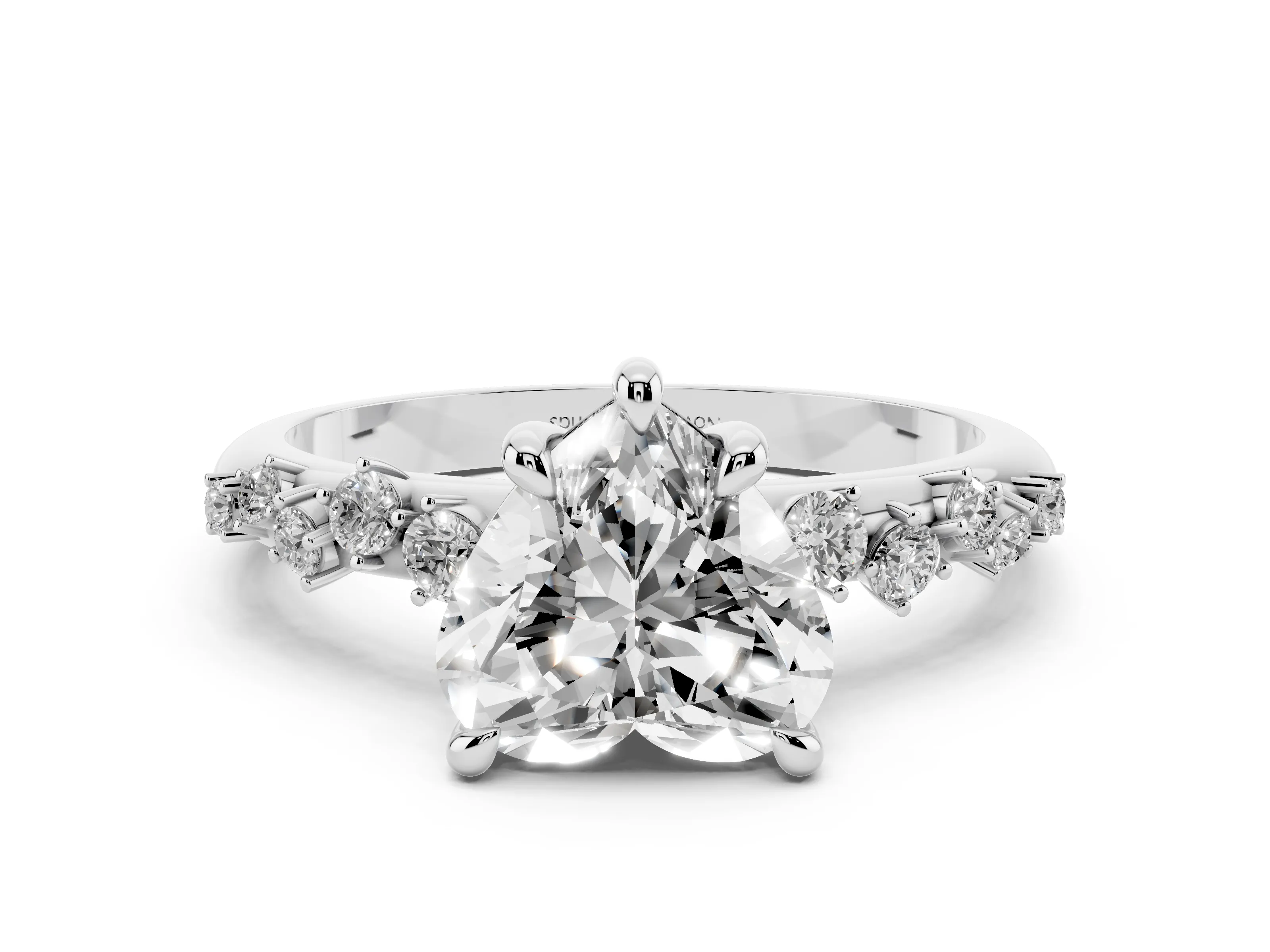
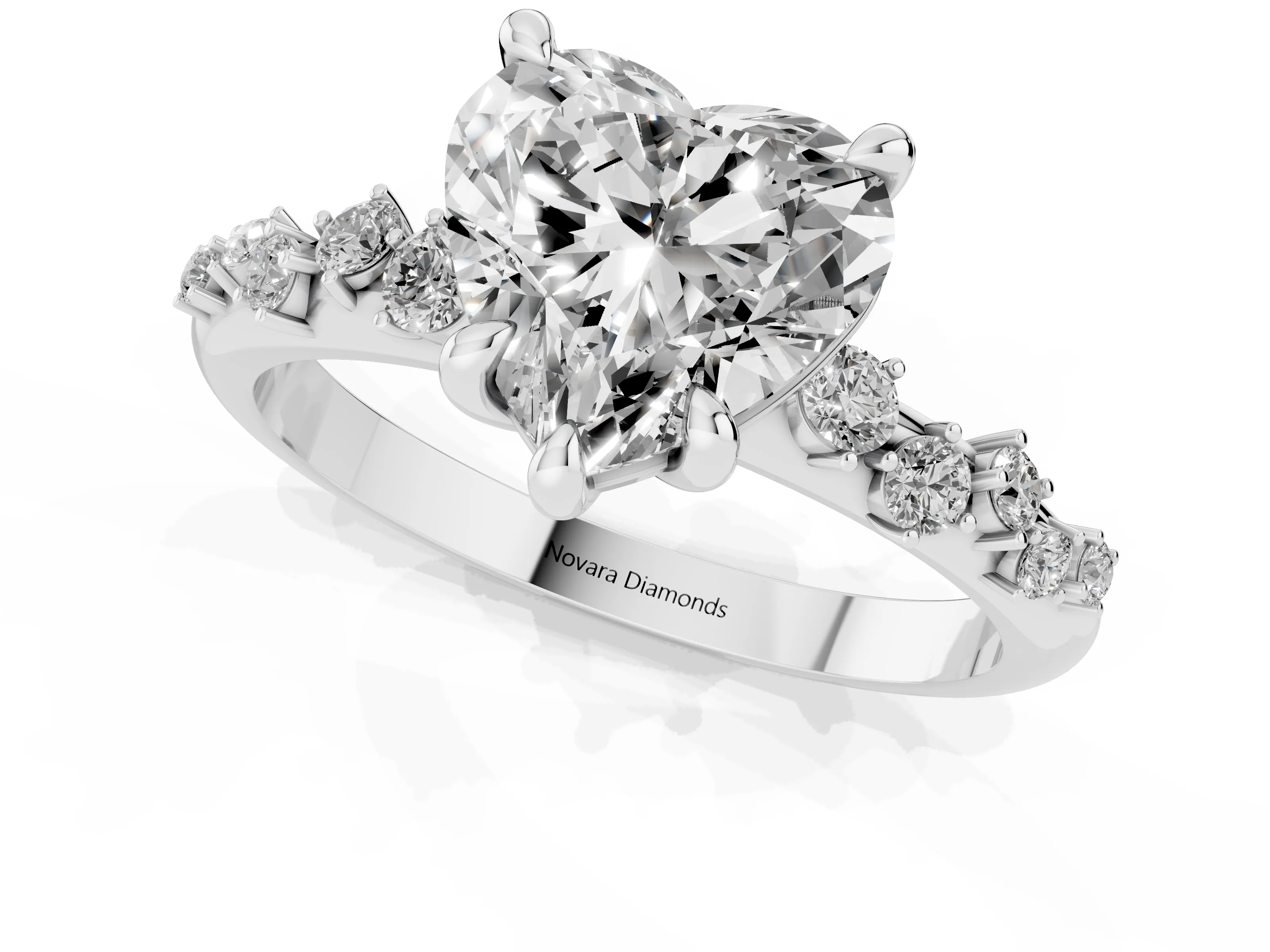
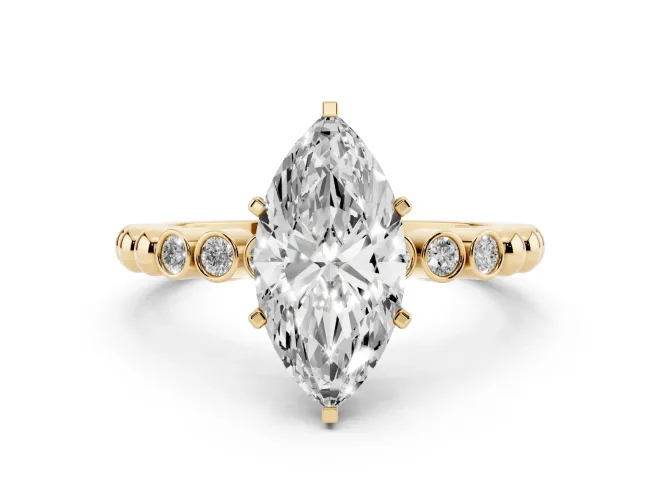
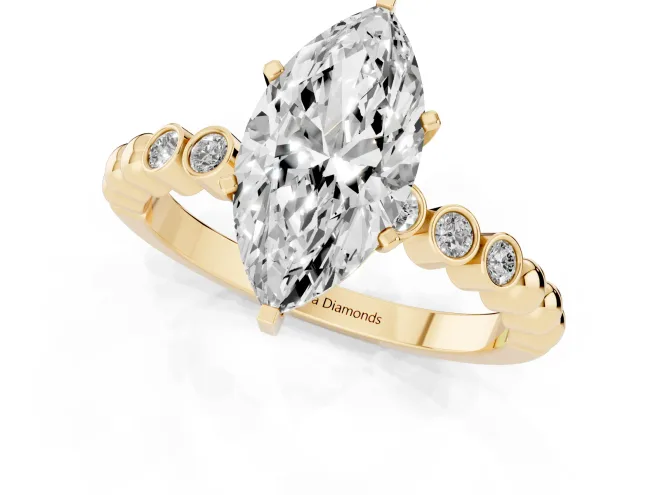
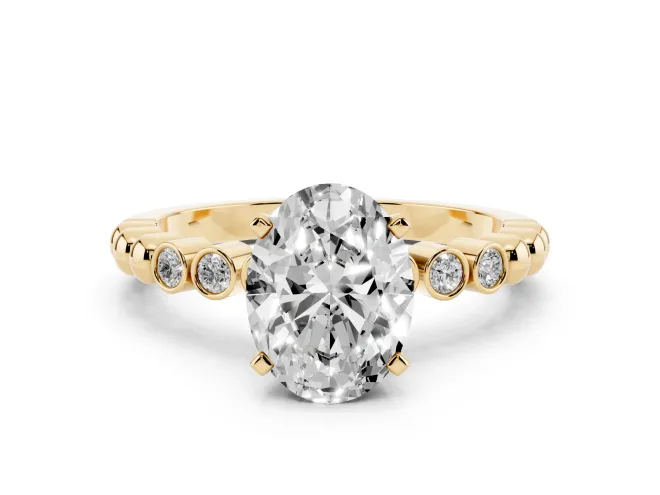
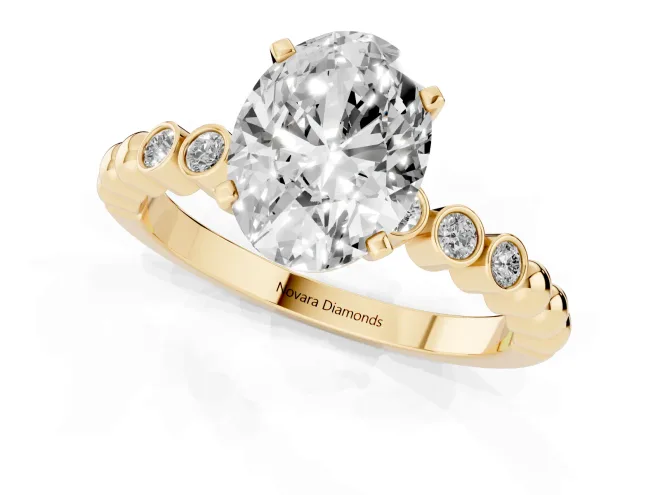
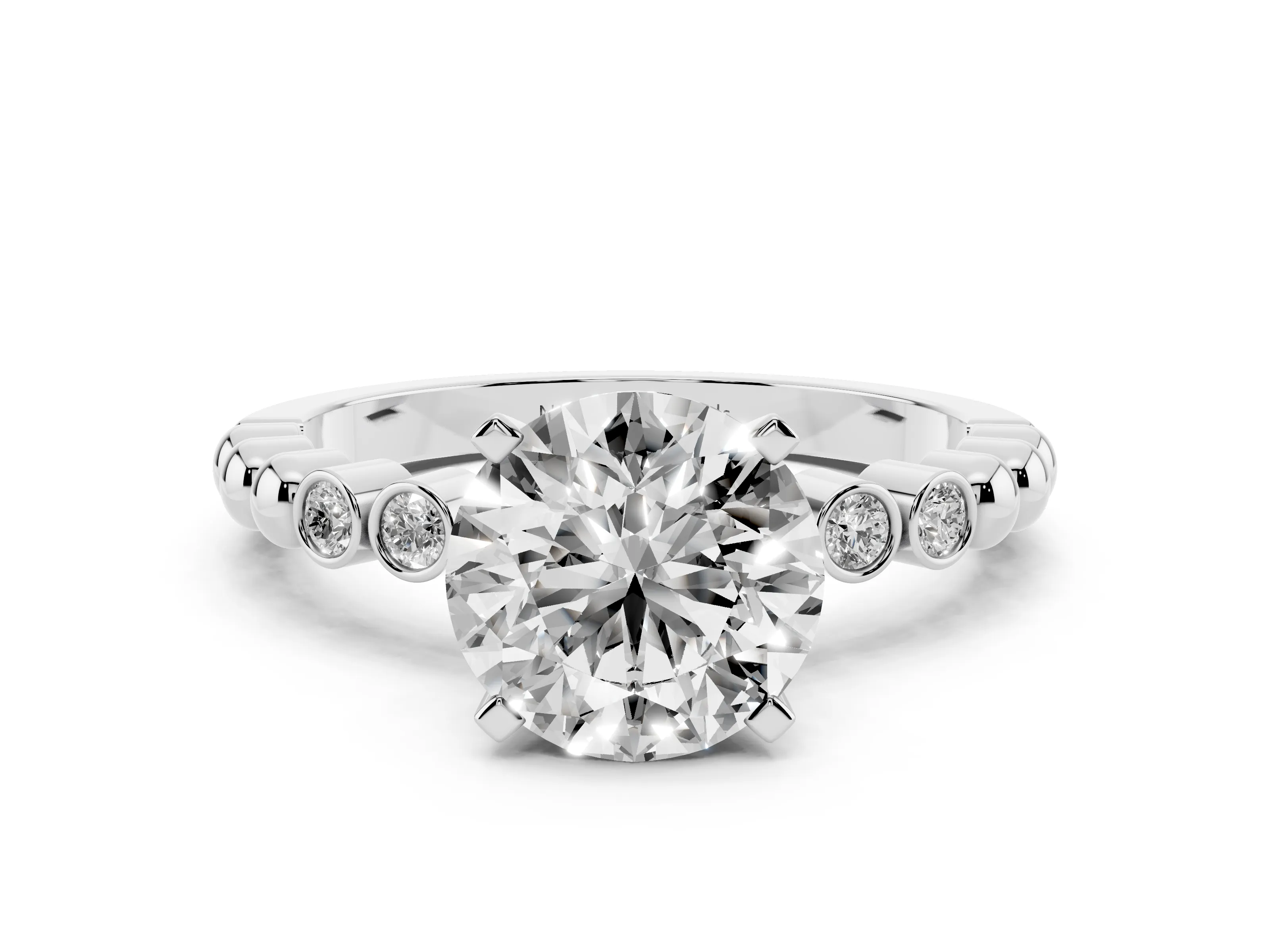
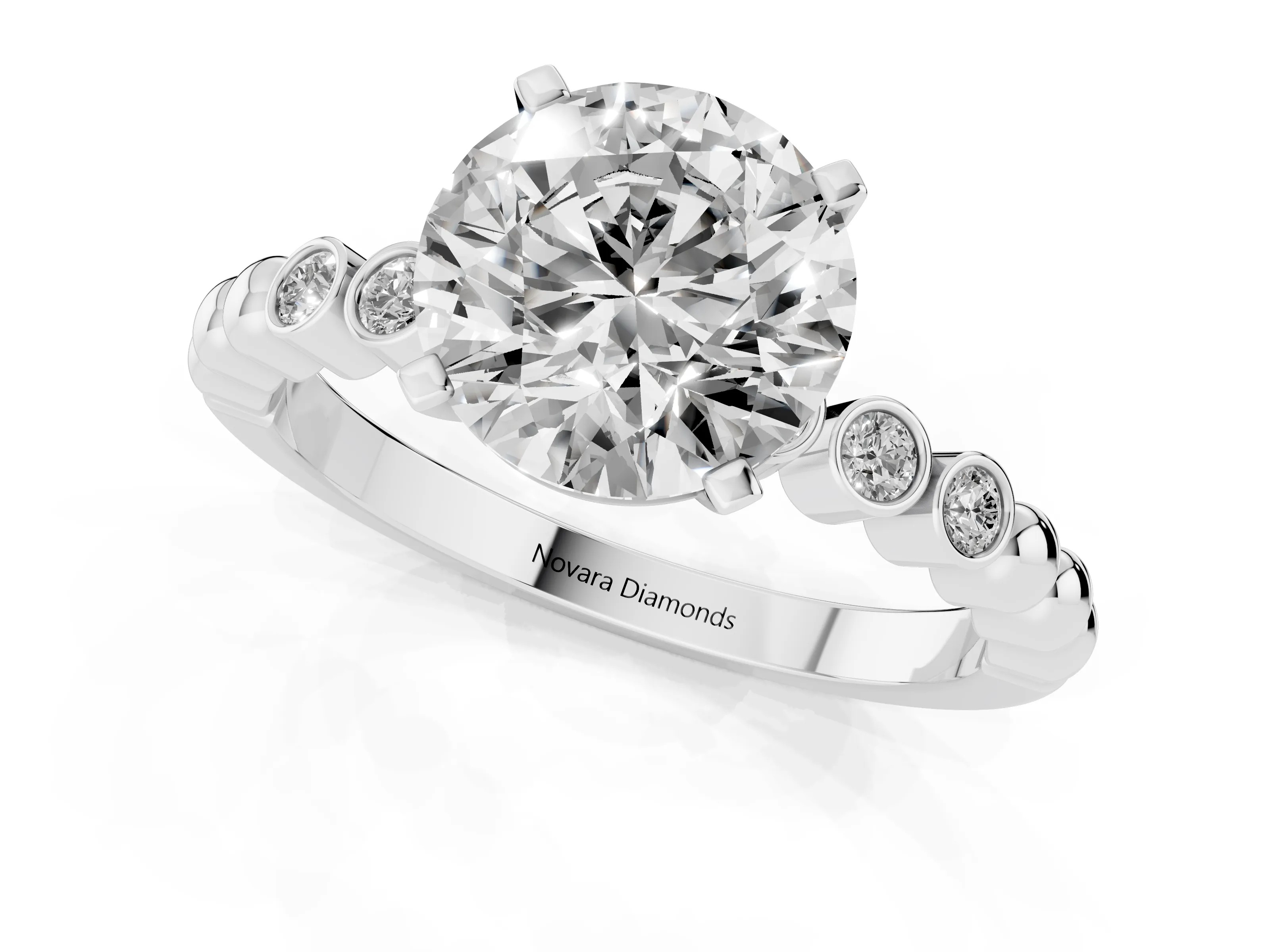
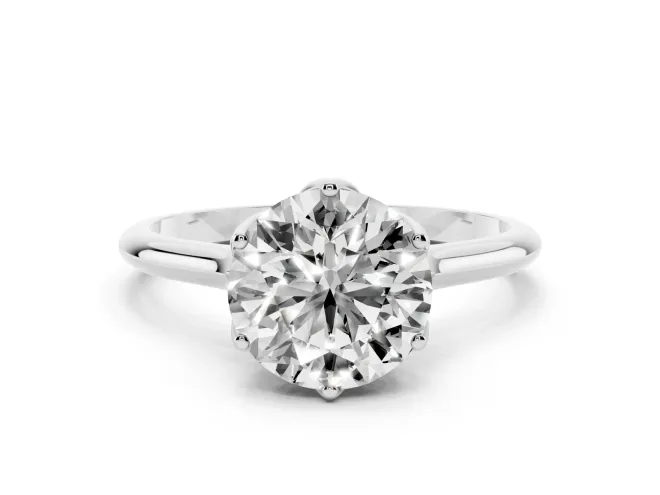
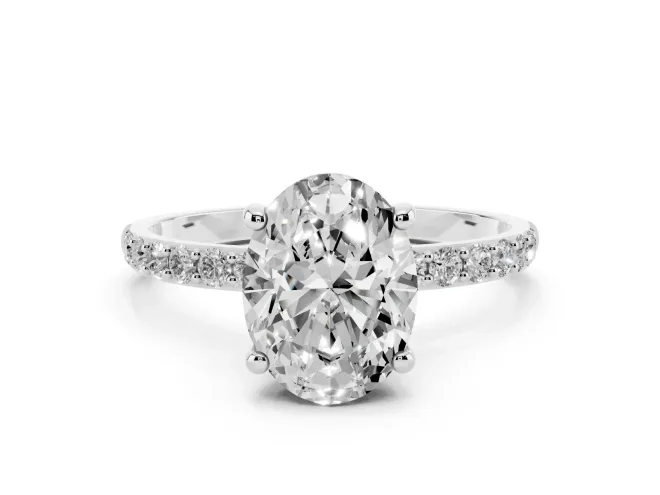
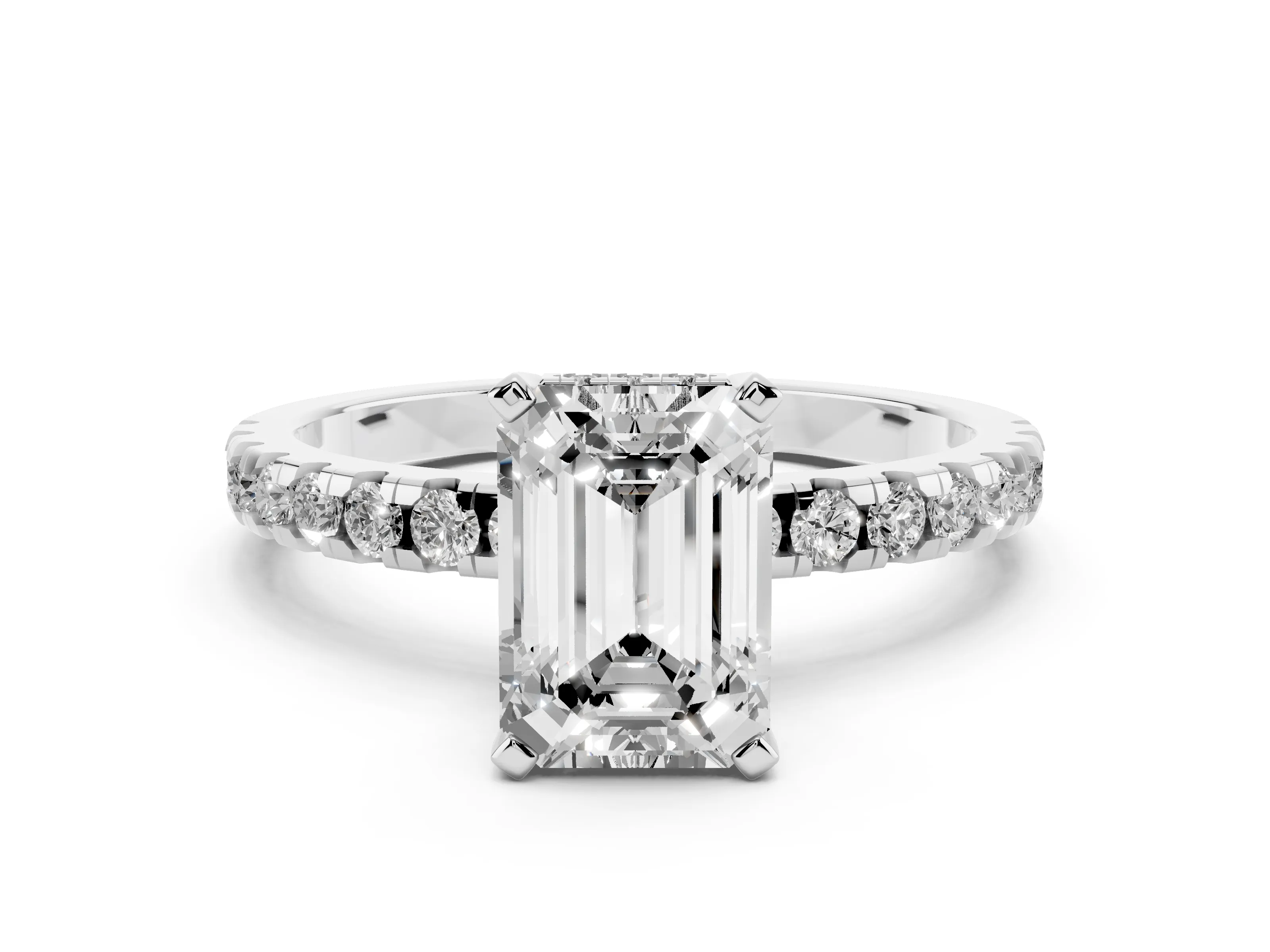
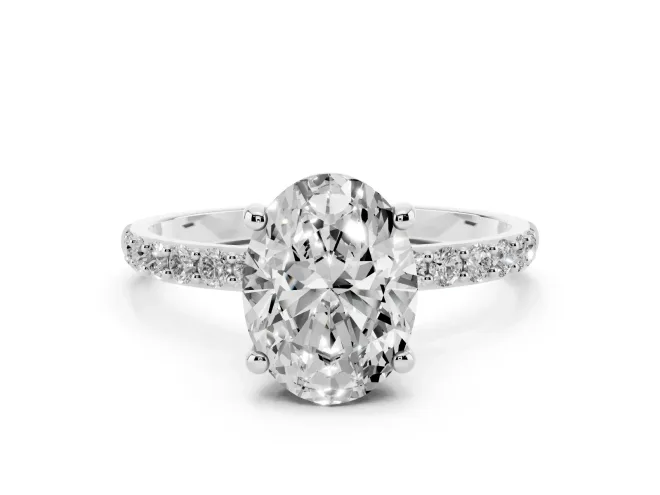
Start with the band, then crown it. Nearly every ring here is an engagement ring setting drafted around one particular center outline, whether round, oval, cushion, emerald, pear or marquise. Metal and karat get settled on each product page; the center diamond gets chosen afterward, colorless or, for most mountings, a fancy pink, yellow, blue or green.




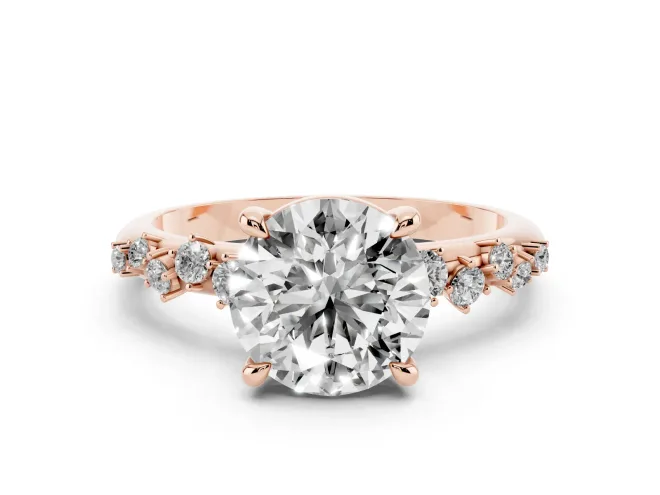
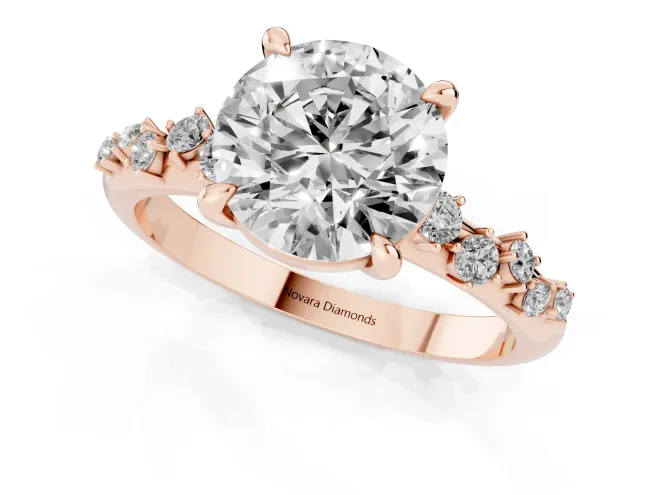
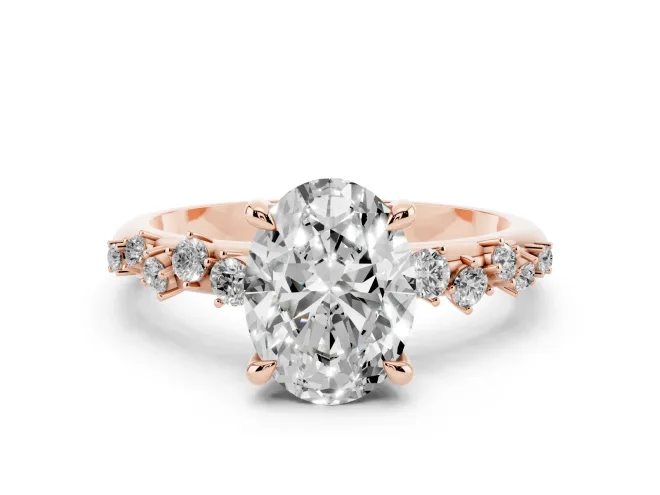
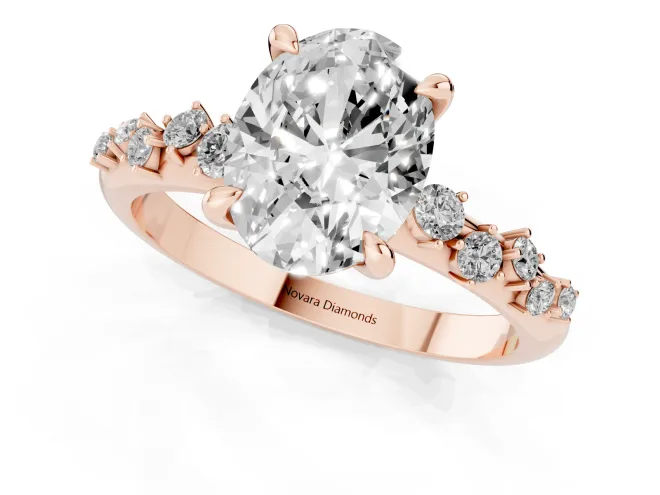
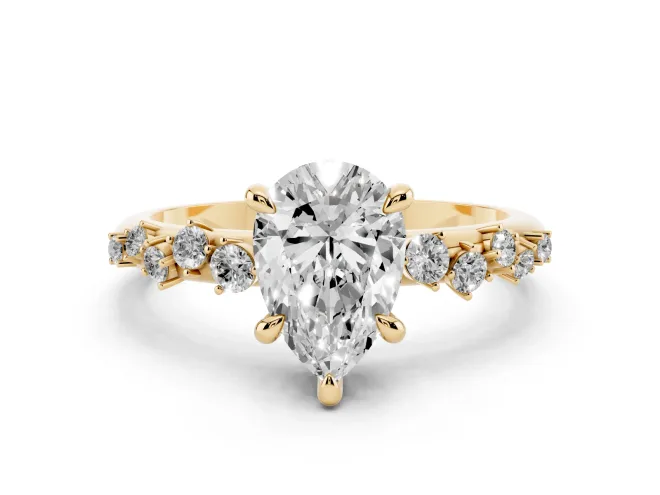
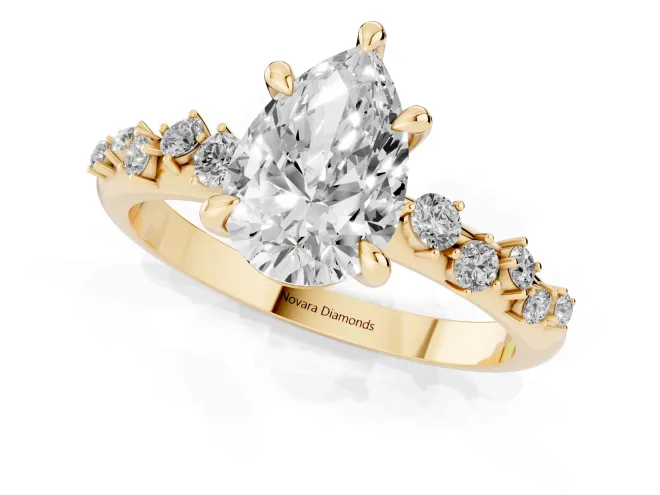
$479 $958
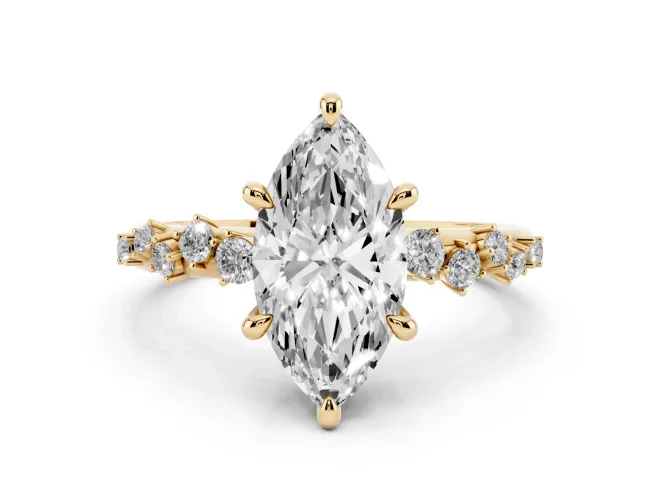
$479 $958
$479 $958
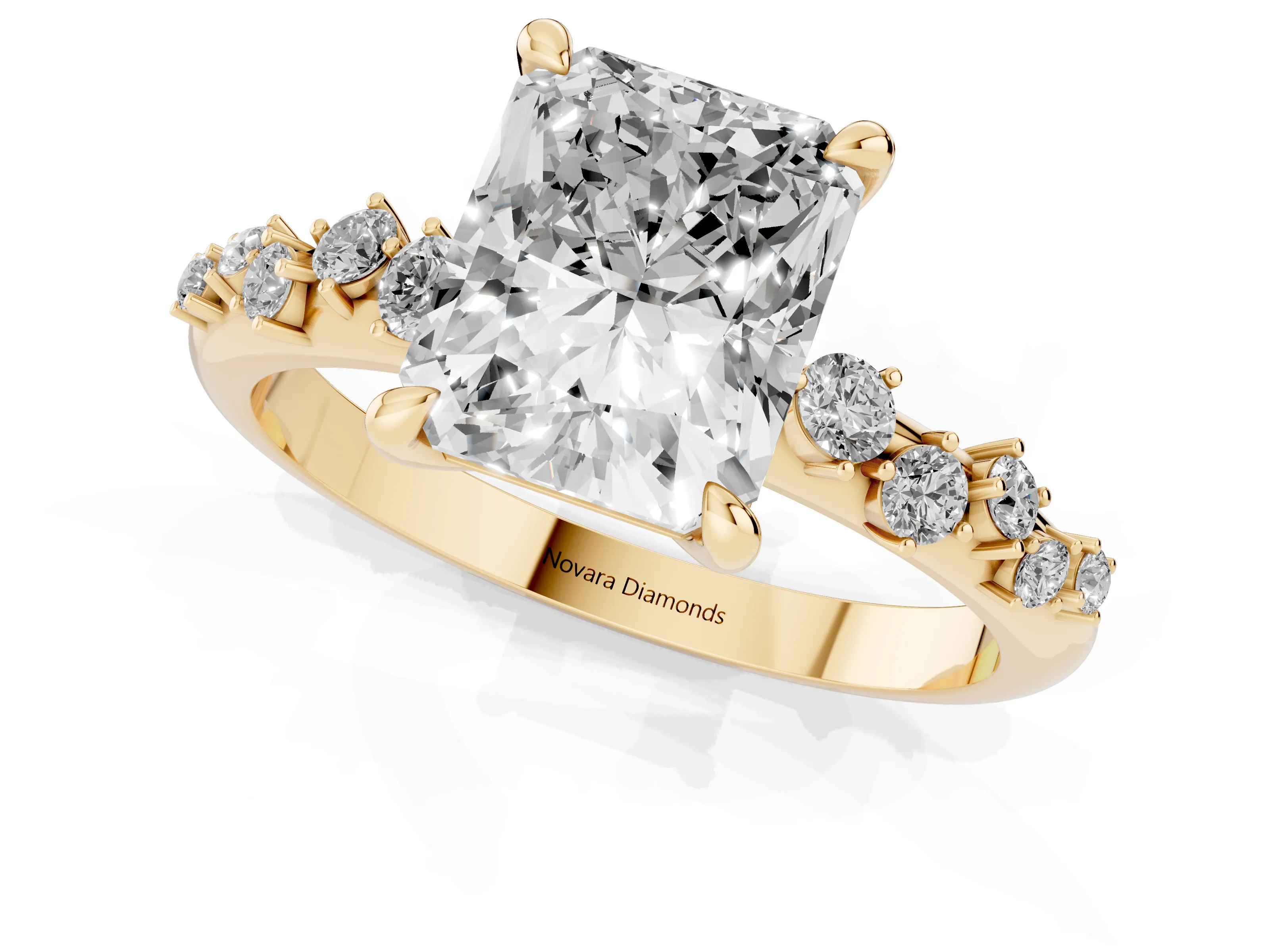
$479 $958
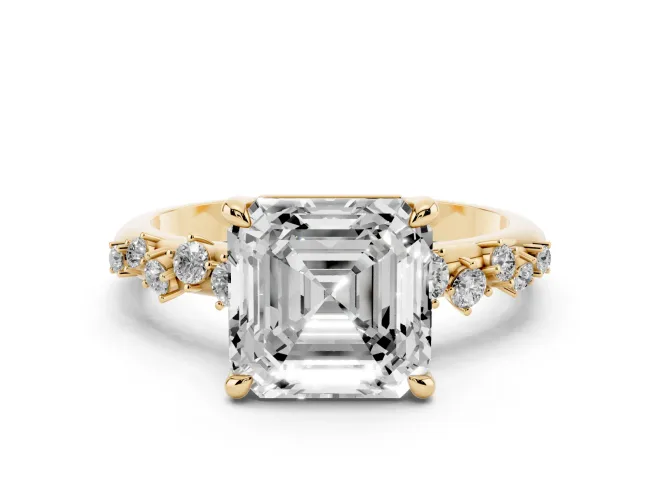
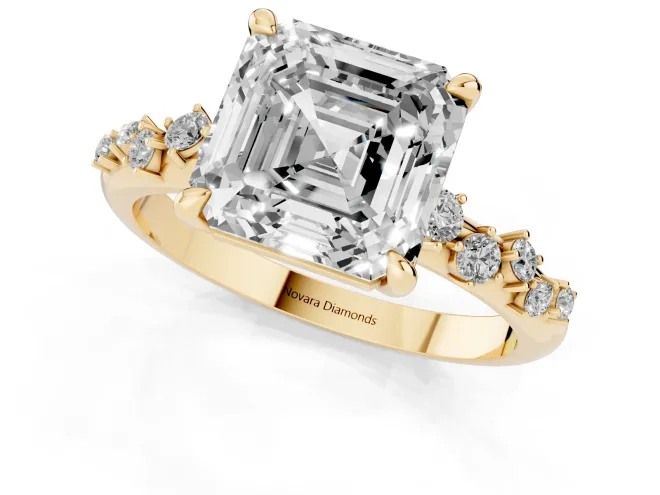
$479 $958
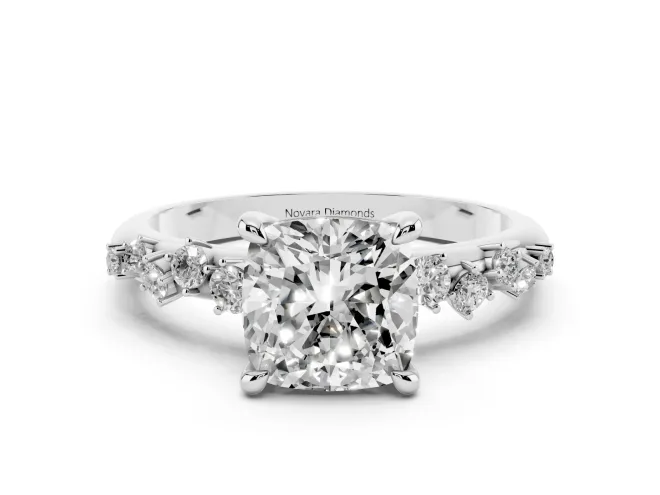
$479 $958
$479 $958
Showing 1–14 of 2739
More to discover
 Solitaire Engagement Rings
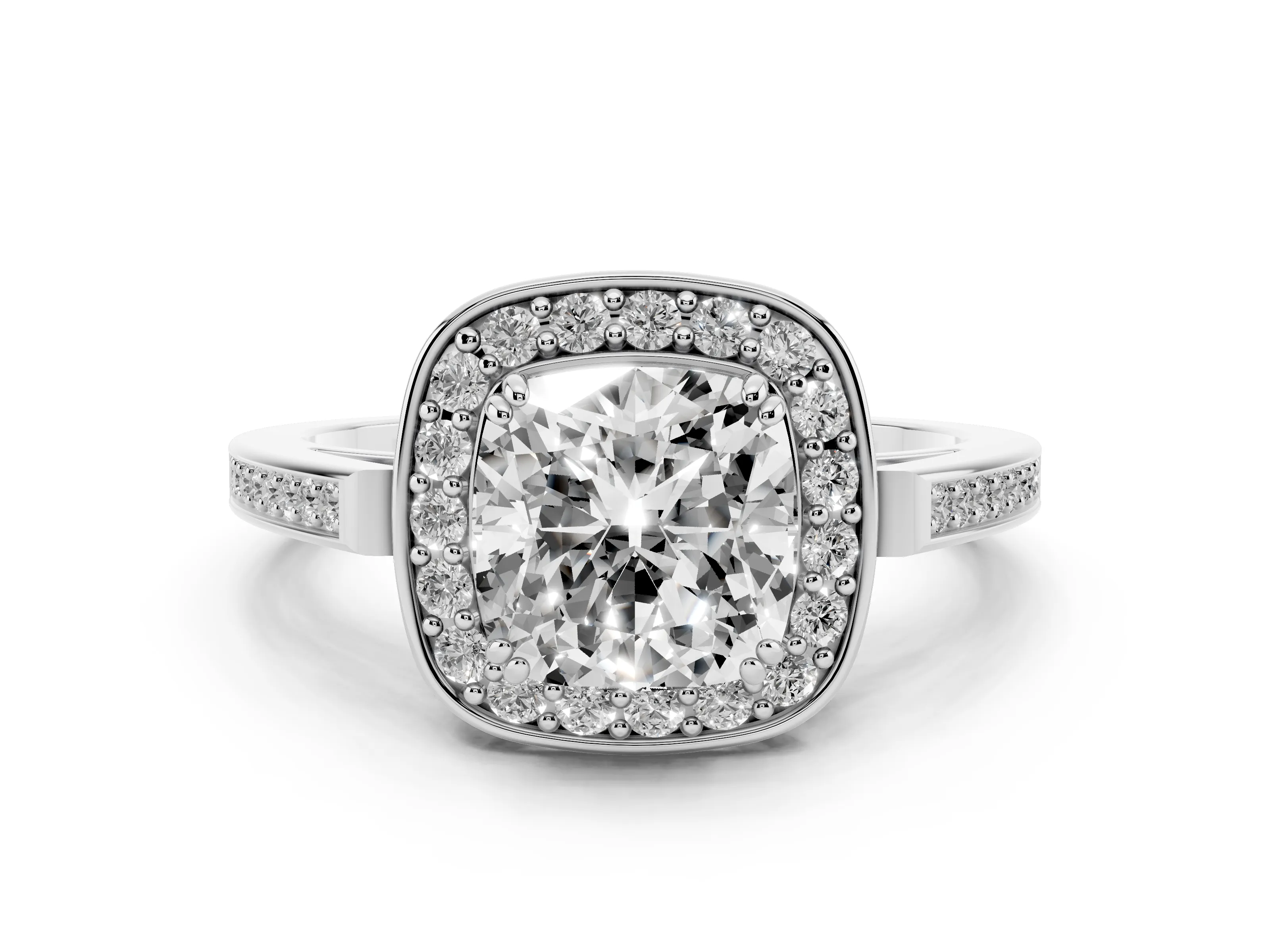 Halo Engagement Rings
 Bezel Engagement Rings
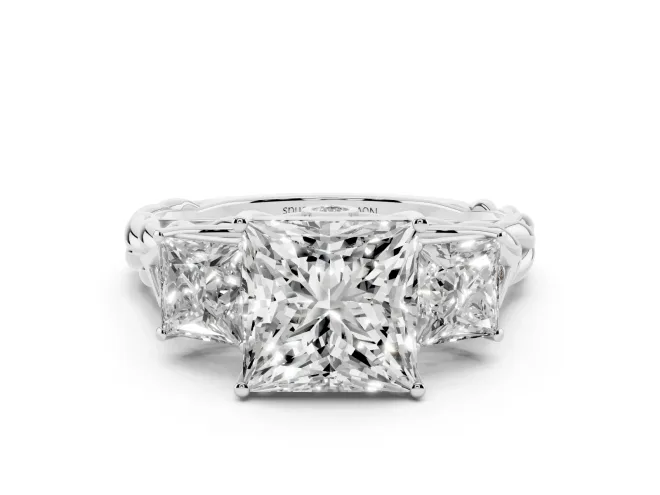 Three Stone Engagement Rings
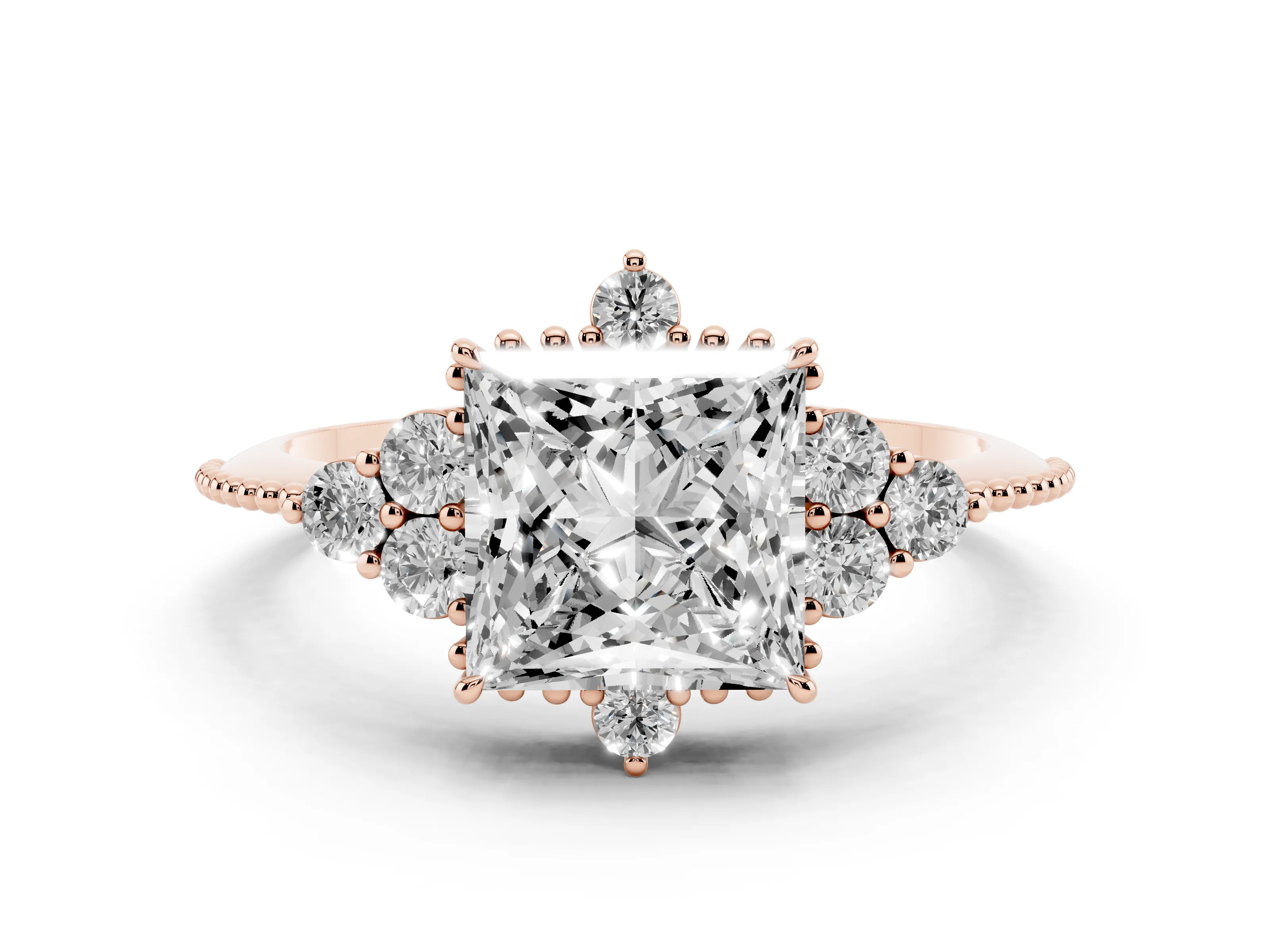 Engagement Rings with Cluster Sides
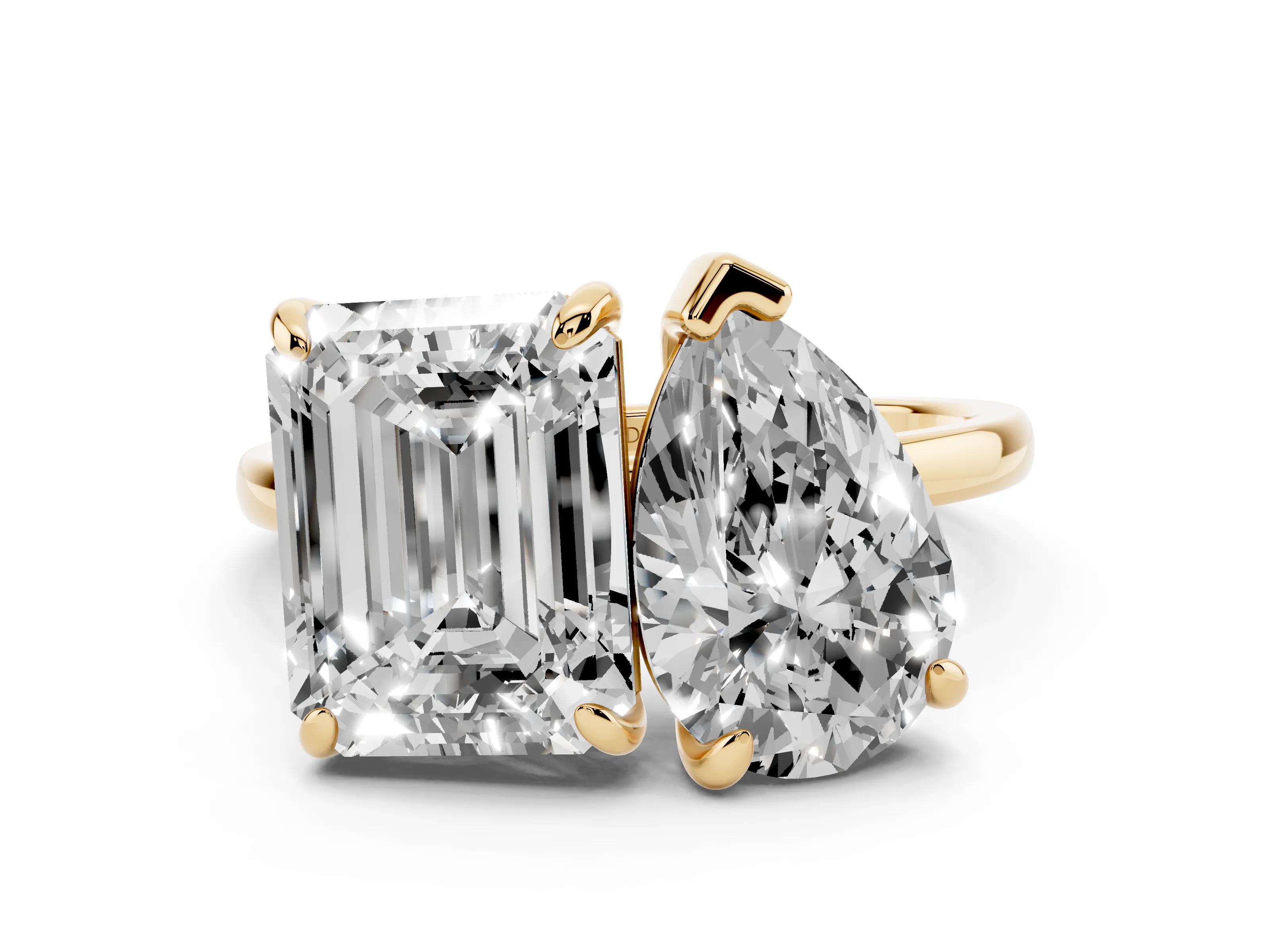 Toi et Moi Rings
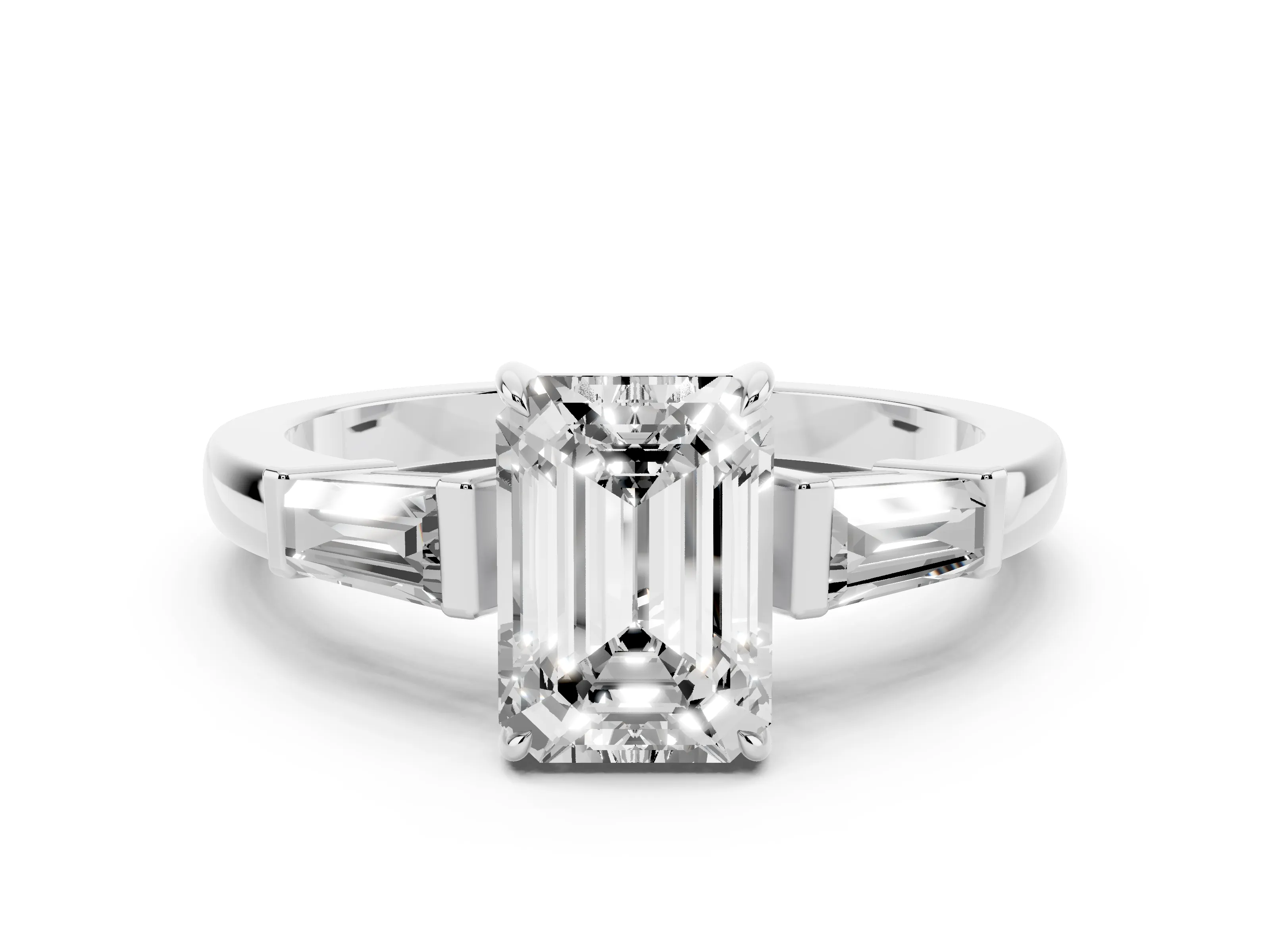 Baguette Diamond Engagement Rings
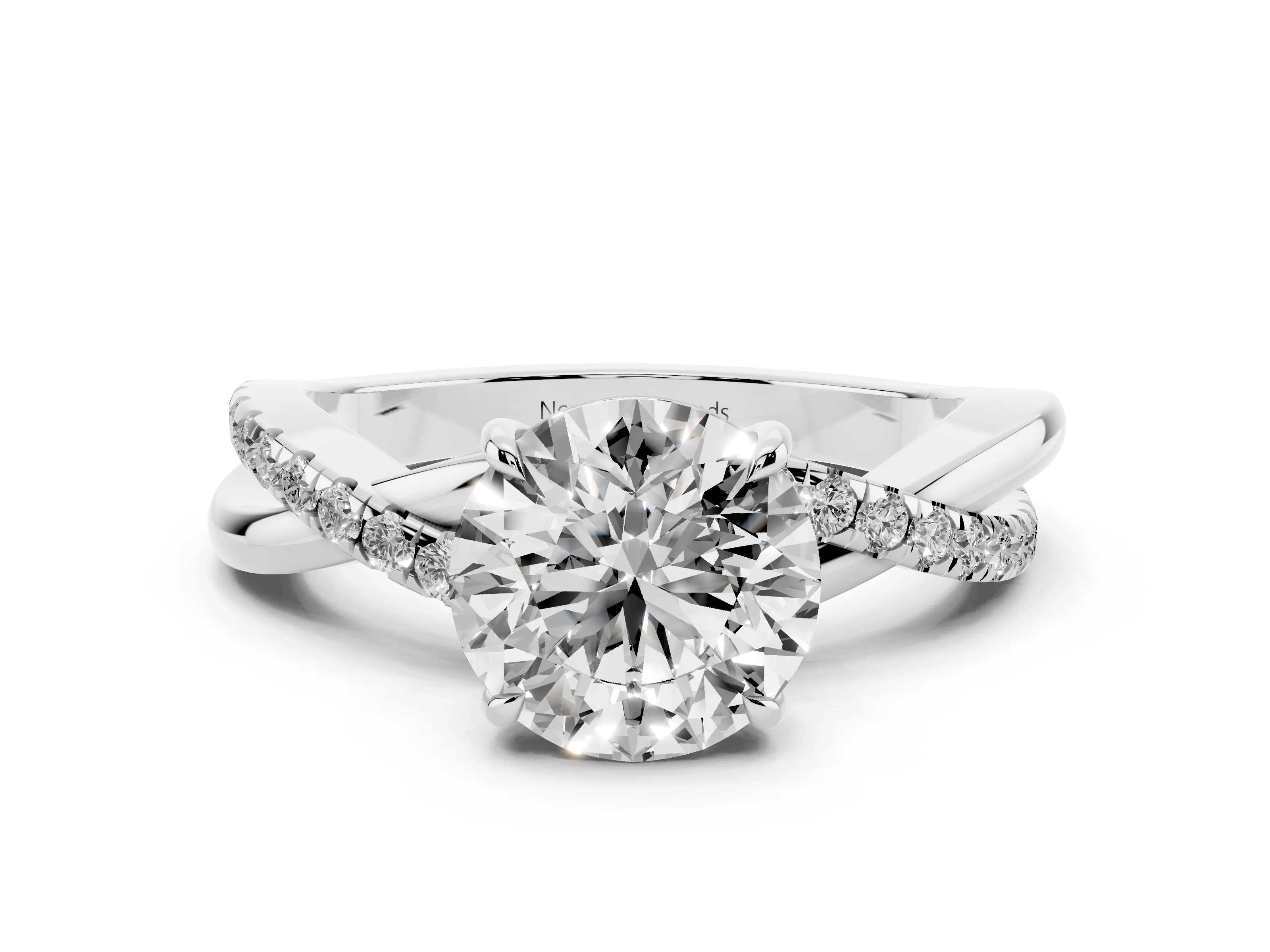 Infinity Rings
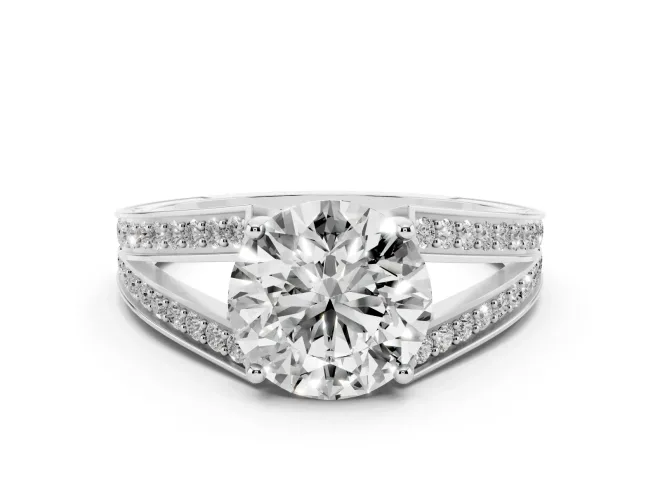 Engraved Rings
 Cathedral Engagement RingsHidden Halo Engagement RingsFiligree Engagement RingsGold Rings
 Sterling Silver Engagement Rings
 2 Carat Lab-Grown Diamond RingsWhite Gold Diamond Rings
 3 Carat Lab-Grown Diamond RingsPlatinum Rings
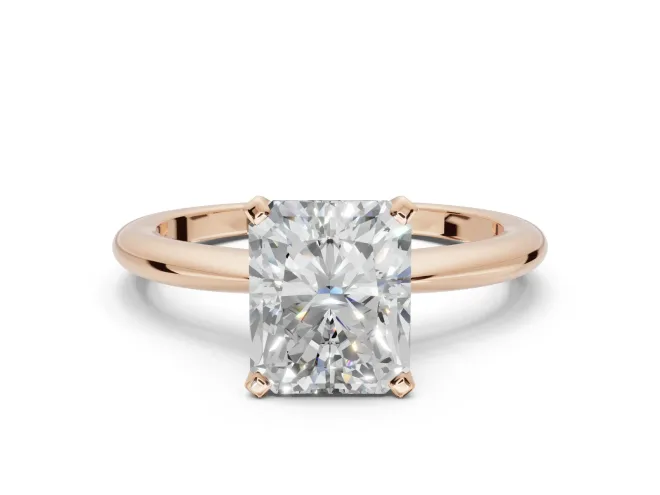 Rose Gold Engagement Rings
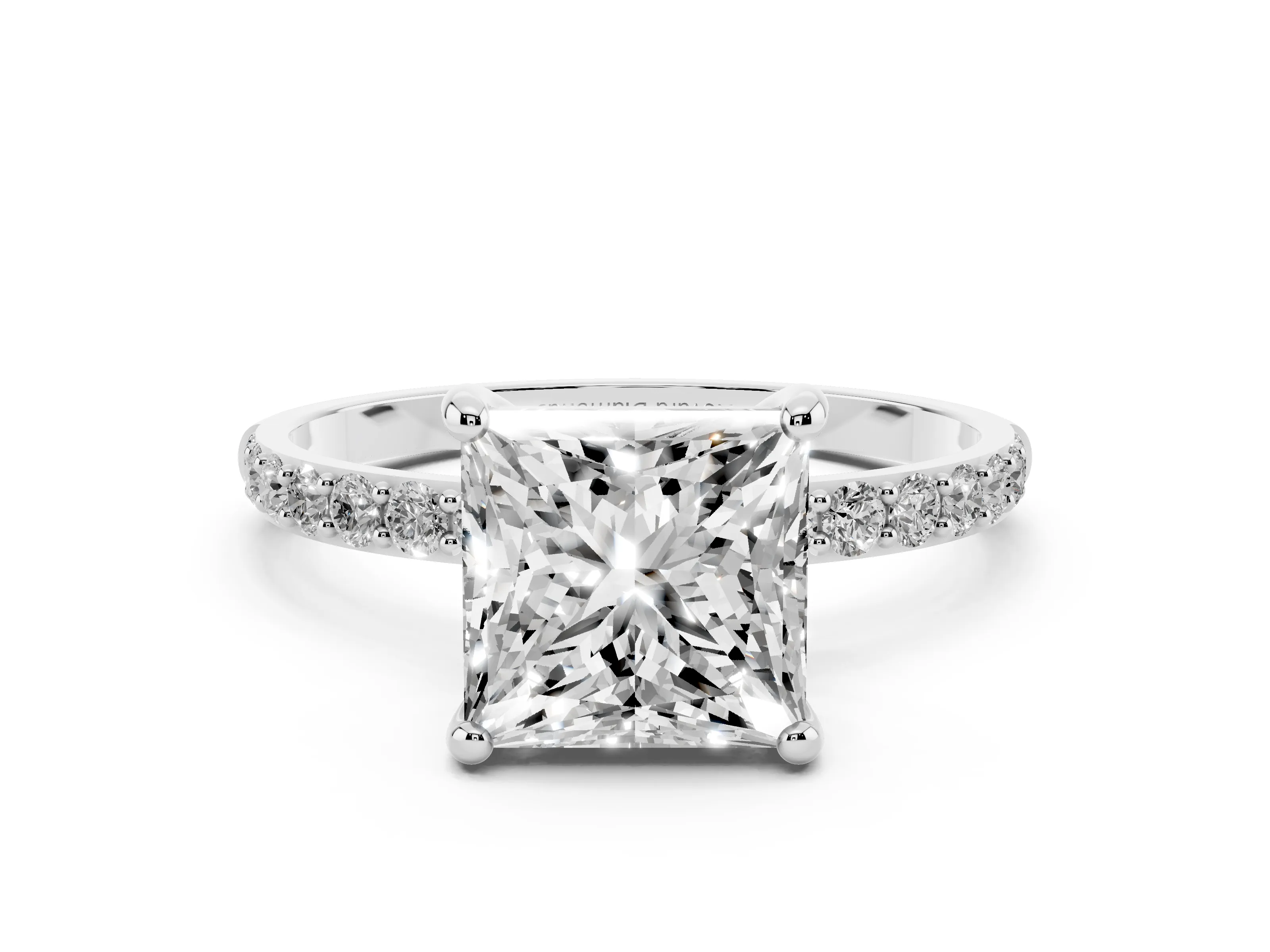 5 Carat Lab-Grown Diamond Rings
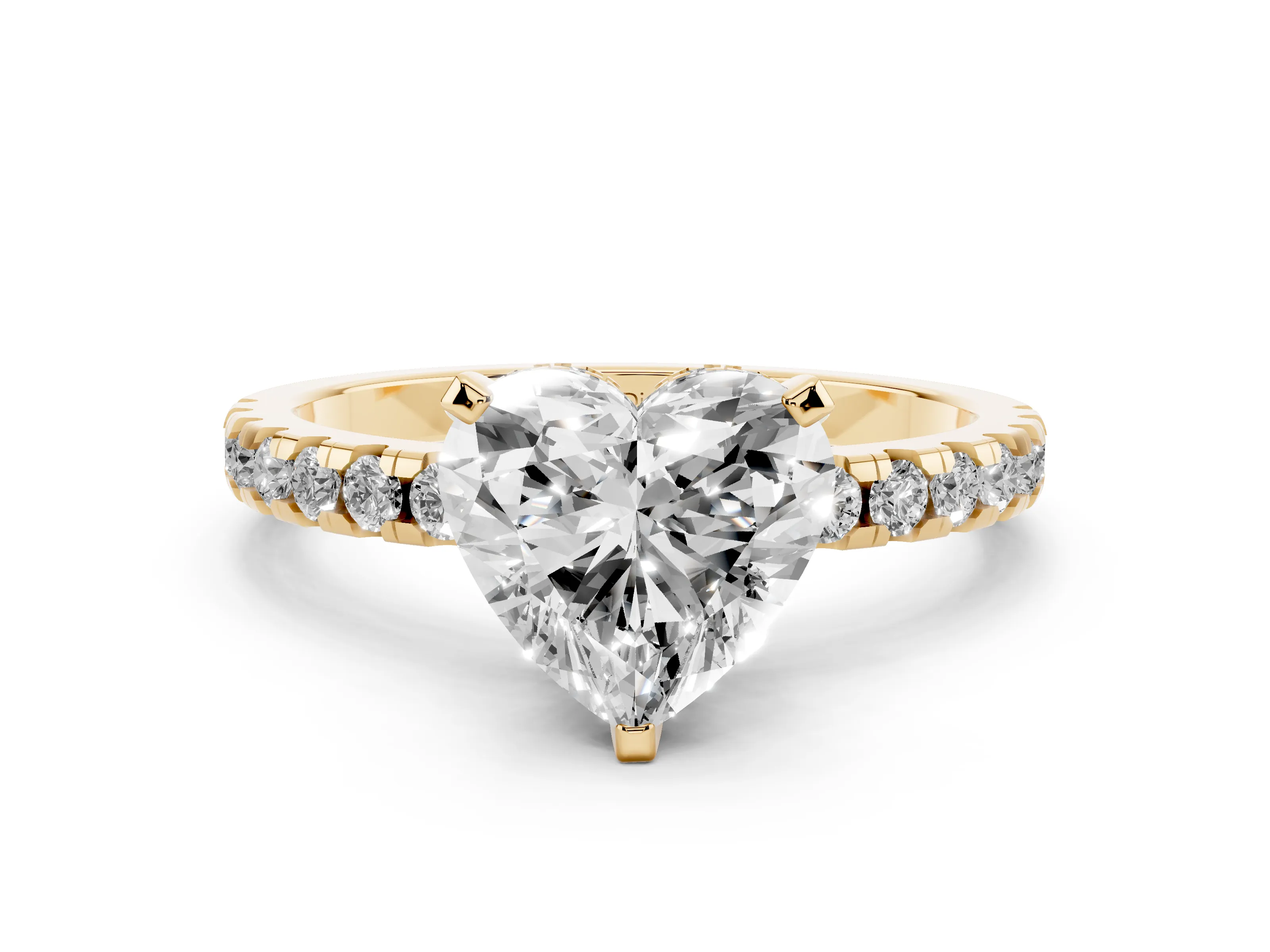 4 Carat Lab-Grown Diamond Rings
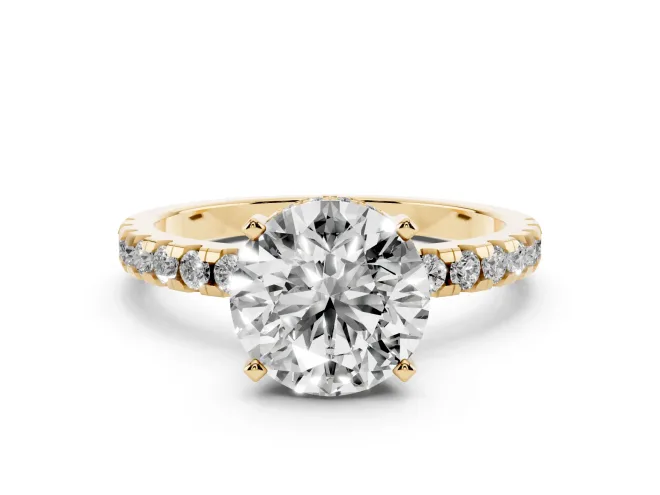 1 Carat Lab-Grown Diamond Rings
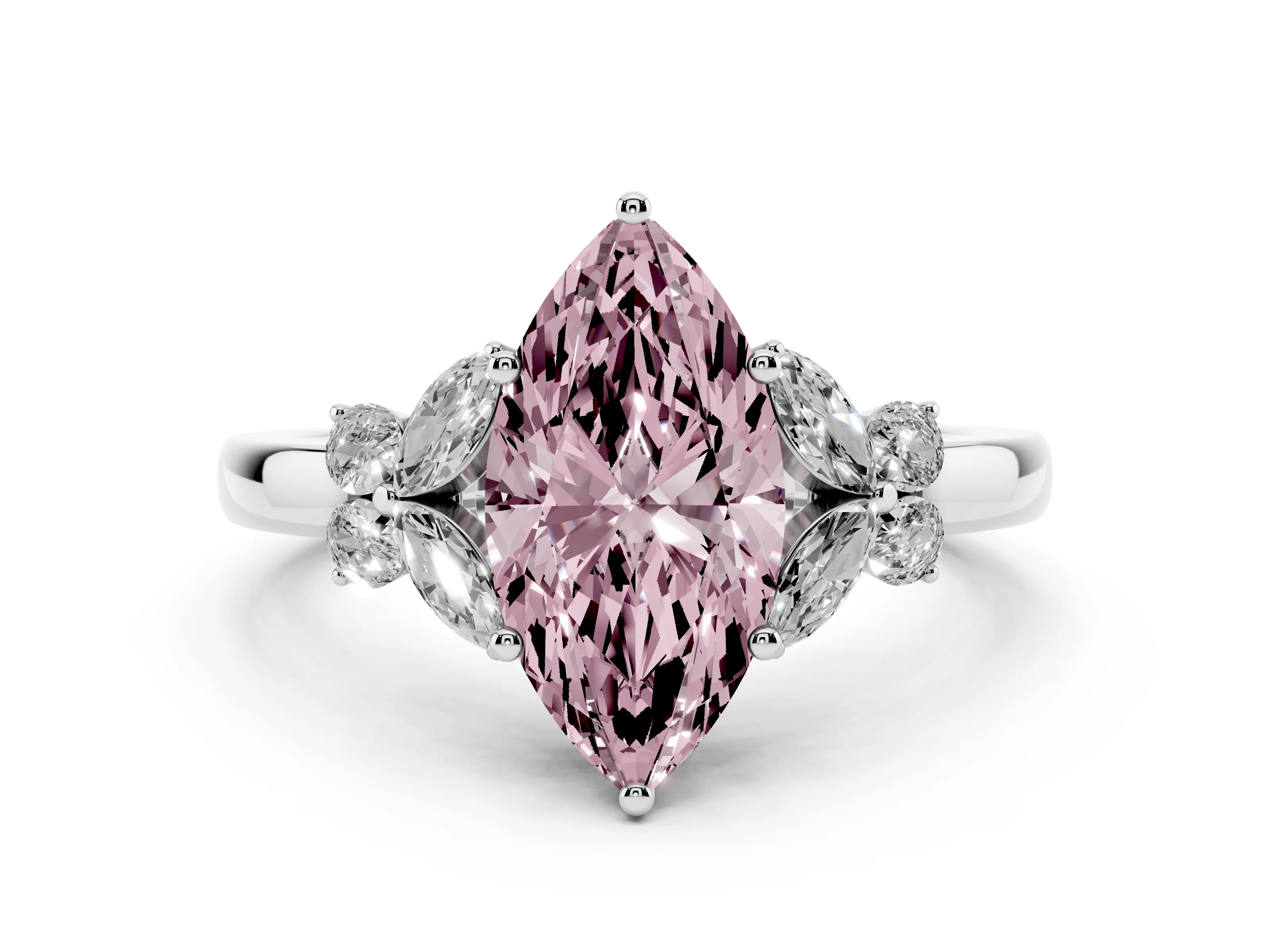 Pink Diamond Rings
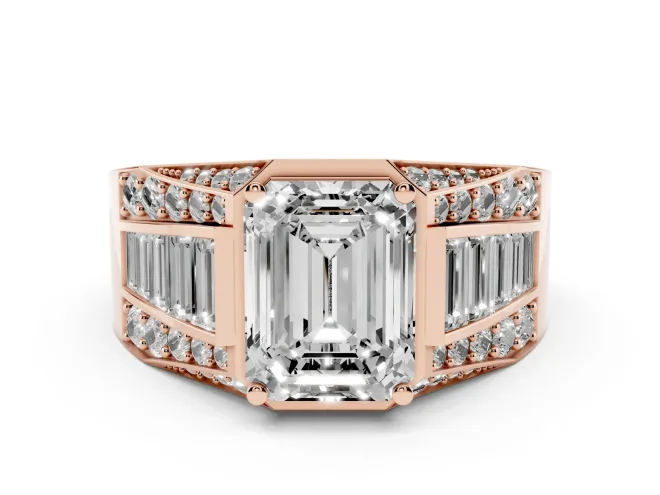 Men's Engagement Rings
Solitaire, halo or side stones
A handful of families account for most of this catalog.
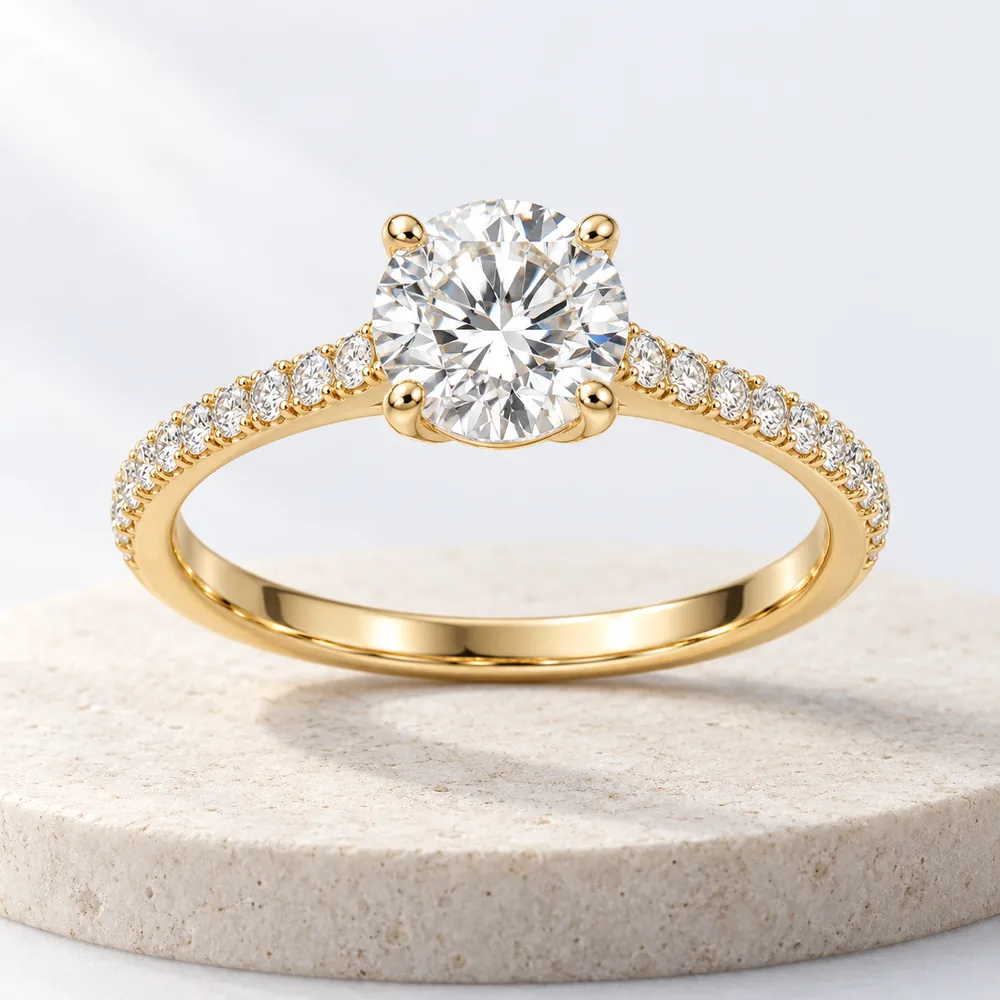
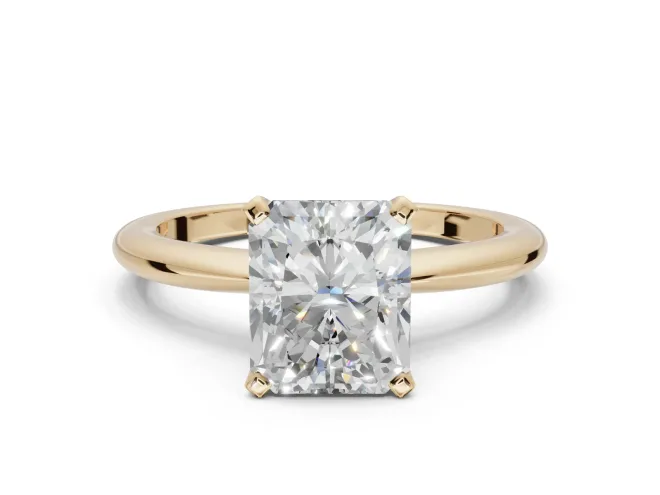
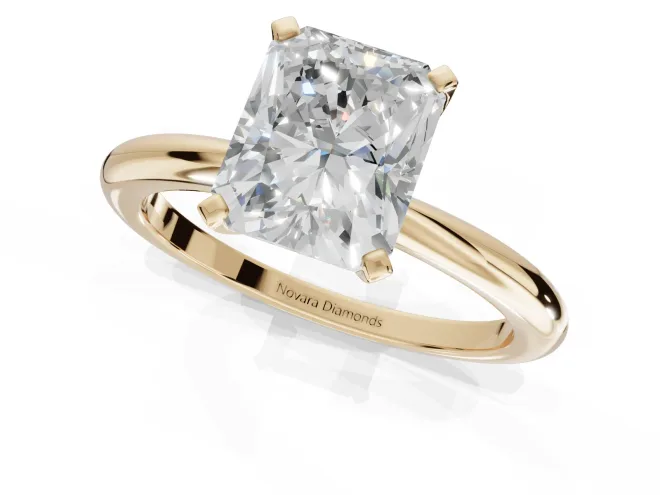
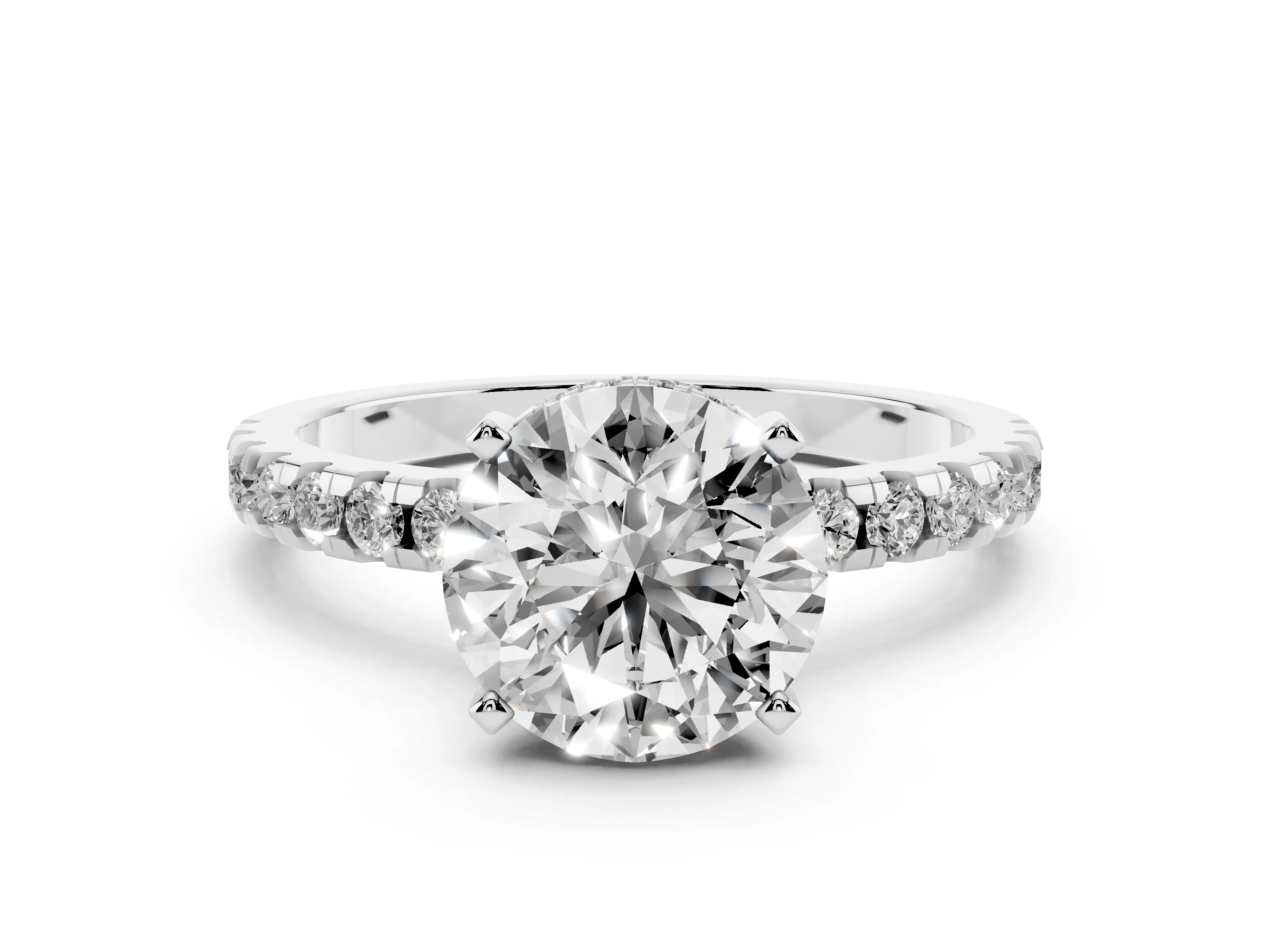
- Solitaire: a lone center riding a plain or pavé shank, the leanest silhouette.
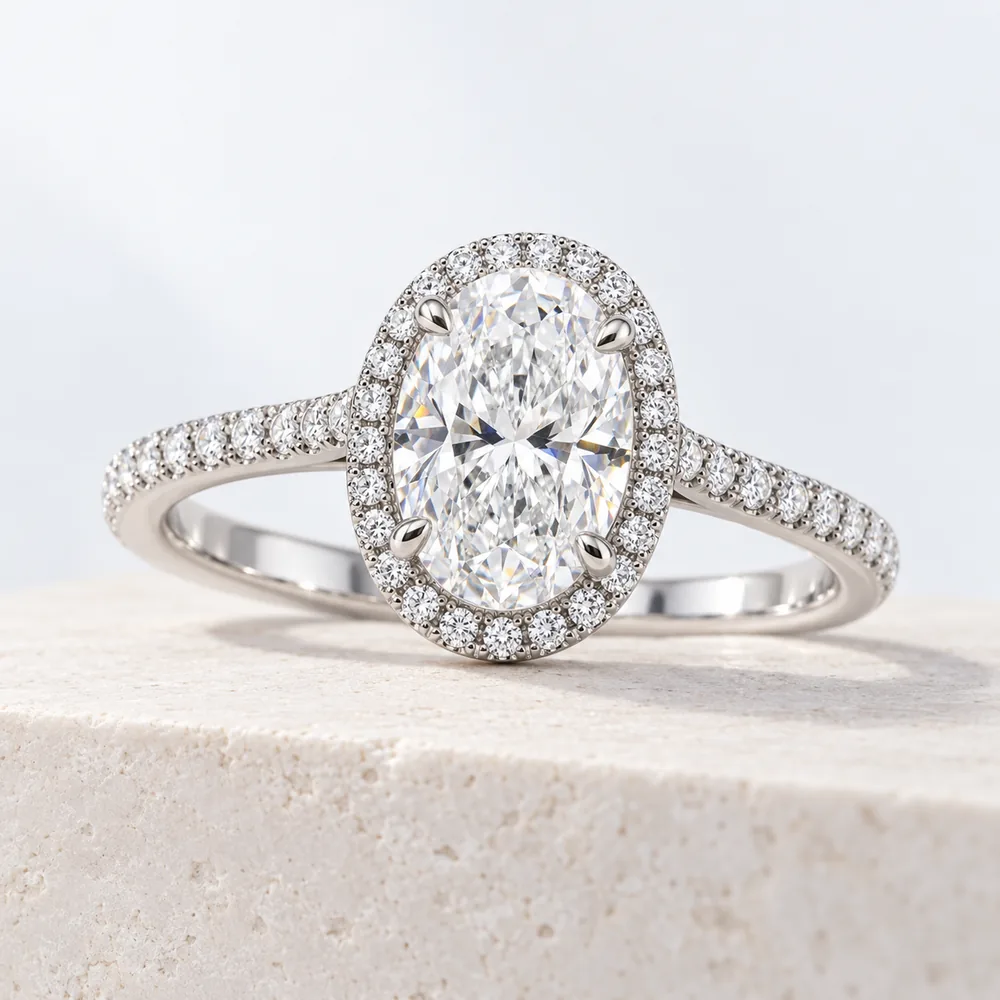
- Halo: tiny lab-grown diamond accents wreathing the middle stone, which reads broader seen from above.
- Side stone and three stone: accents marching down each shoulder, anywhere from micro pavé to paired marquise or baguette cuts.
Milgrain beading, floral petals, forked shanks and bezel rims layer extra character over those bases.
Matching the head to the shape
Every mounting is engineered for the outline it carries, so claws land exactly where a pear's tip or princess corners need cover. Round and cushion heads usually perch higher to gather light, while longer outlines lengthen how slender a finger appears. Decide the outline first and the list of fitting settings shrinks fast.
Gold, platinum or silver
White, yellow and rose gold come as 10K, 14K or 18K, and platinum appears on almost every design. Silvadium, a tarnish-resistant sterling silver, opens the range below $150; the bulk of settings fall around $750 to $1,250 before any center joins them.
Living with prongs and pavé
A lifted center bumps into things long before the band does, so spin it palm-ward when hauling bags or gripping a handrail. Run a fingernail over the claws each season; one that wiggles needs a bench jeweler soon. Sudsy water lifts hand-cream film so small accents keep flashing.
Rings: Common Questions
Do diamonds lose their sparkle?
No. The crystal keeps its brilliance forever, yet skin oil, moisturizer and soap residue coat the facets and dull what you see. Ten minutes in sudsy water with a soft brush beneath the center brings it back. Open galleries on many of these mountings admit sideways light, keeping the stone lively between cleanings.
Can I wear lab-grown diamonds every day?
Yes. A lab-grown diamond is carbon in the identical crystal lattice found underground and rates 10 on the Mohs scale, so ordinary wear won't scratch it. Metal is the weaker link, since a claw can bend after a hard knock. Low solitaire heads and bezel rims here shield the center better for busy hands.
What is a good clarity for a diamond engagement ring?
VS2 or SI1 suits most buyers, since flaws at those grades are rarely visible without magnification. Emerald and Asscher cuts, with their open, mirror-like facets, reveal more of the interior, so lean toward VS1 or better for them. Whichever center you add to these settings ships graded on an IGI or GIA report.
What is the most popular setting for an engagement ring?
A prong-set solitaire tops the list. It raises one center on slim claws and leaves space for whatever wedding band comes later. Halo and pavé mountings trail close behind, and this page holds each of those looks across outlines like round, oval, cushion and marquise.
Does an engagement ring need a center stone?
No. Some couples prefer a cluster, a band of accents or an eternity style. That said, almost every ring on this page is a mounting built to hold a center, which you pick in the next step. Going for a smaller carat or a fancy color keeps the classic look within reach of a tighter budget.


