Lab-Grown Diamond Necklaces
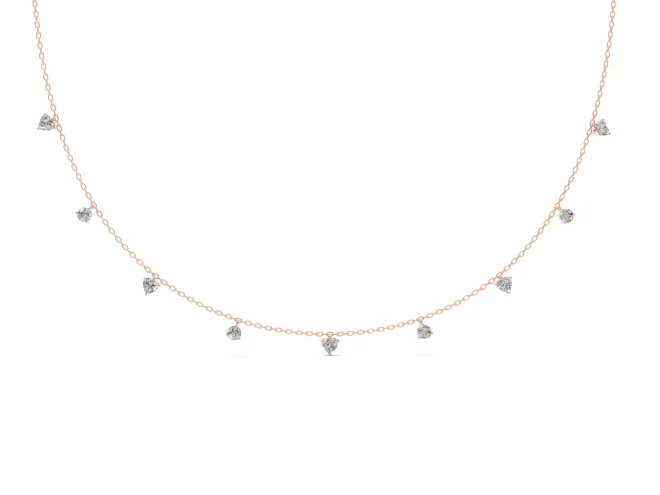
One point of light below the collarbone. This necklace collection is built mostly on lab-grown diamond pendants, from lone solitaires to halos and clusters, plus tennis and station styles for a fuller line of stones. Round stones lead, with oval, princess and other cuts appearing on some designs. Metal, gold karat and total carat weight are picked per product page.


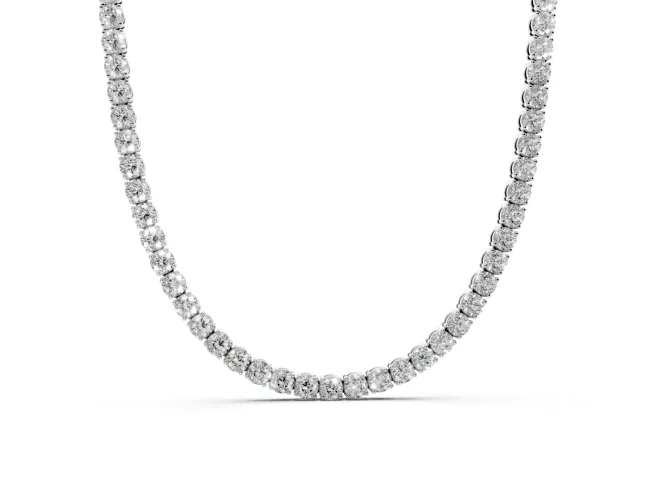
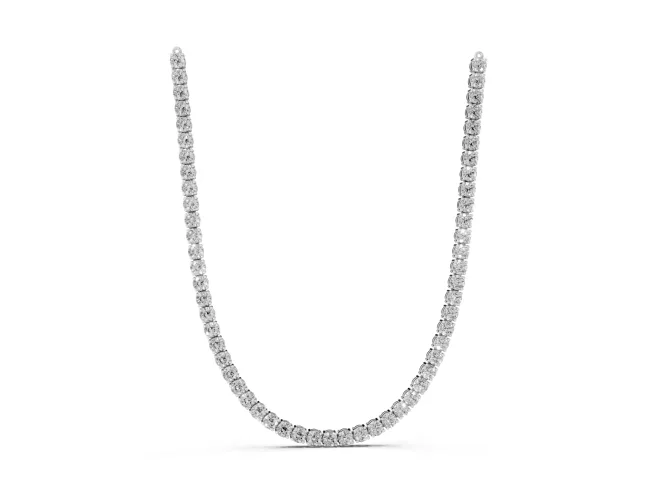
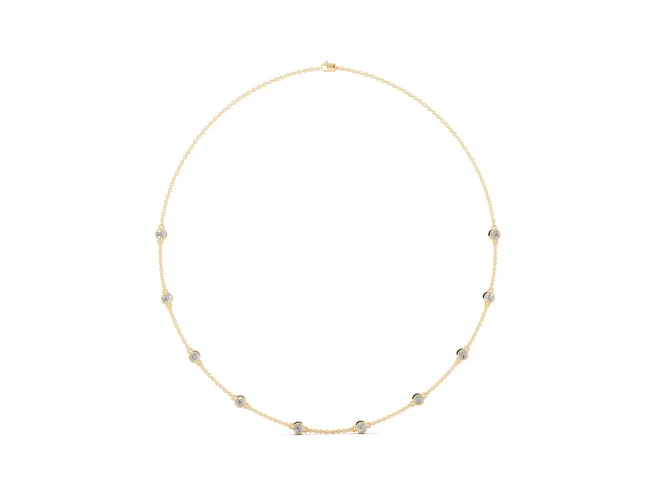
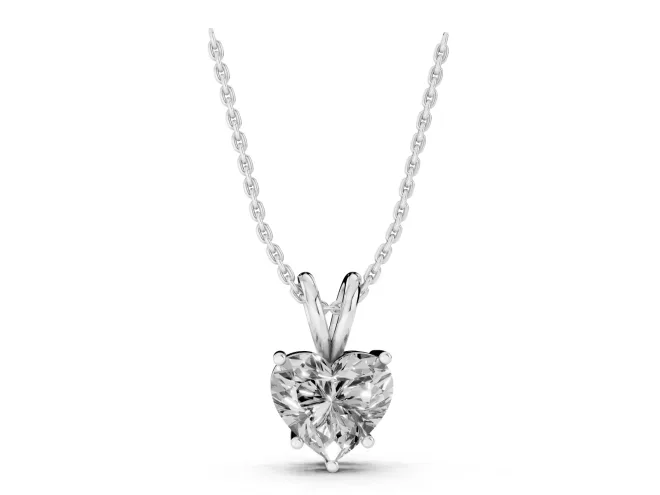
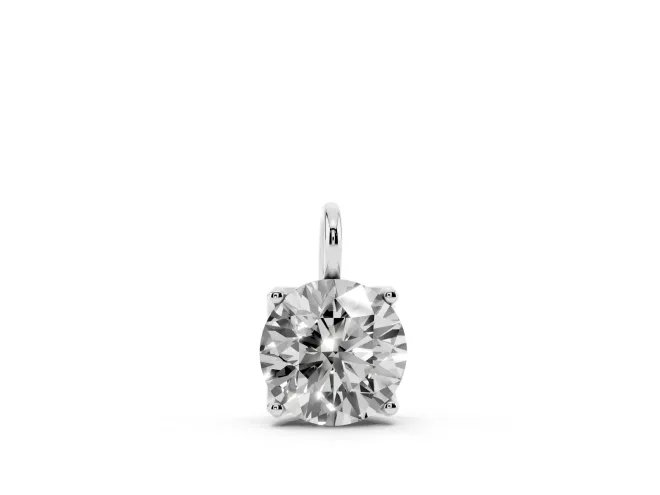
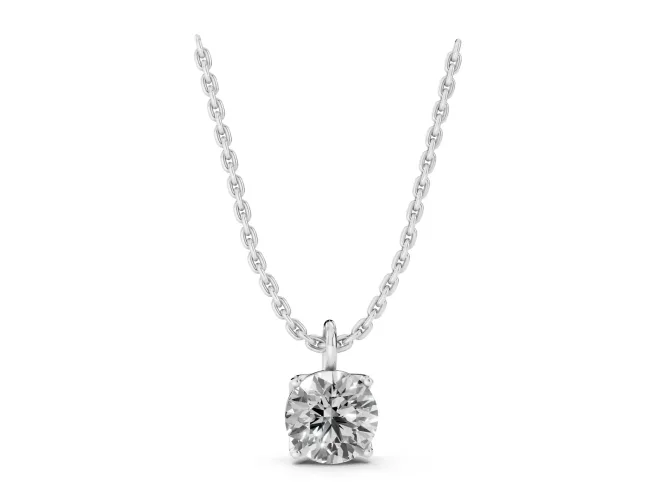

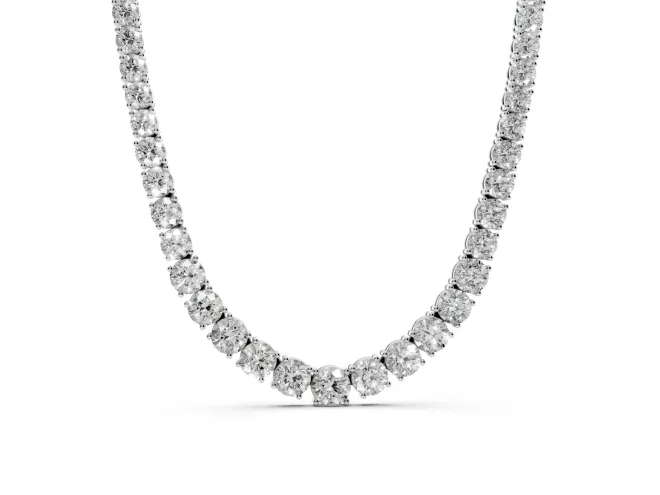
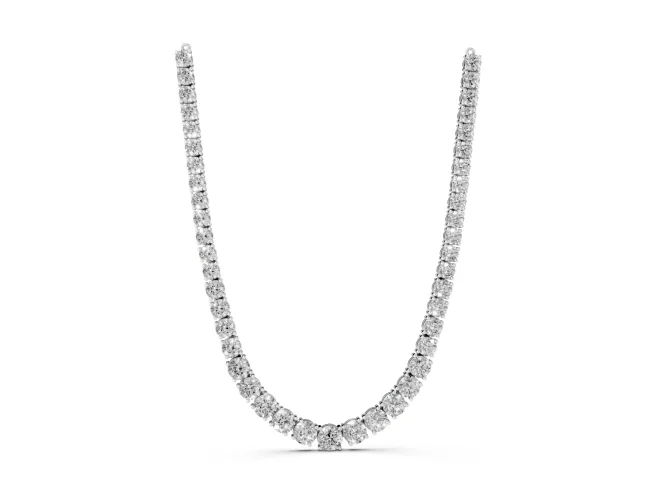
$5,919 $11,838
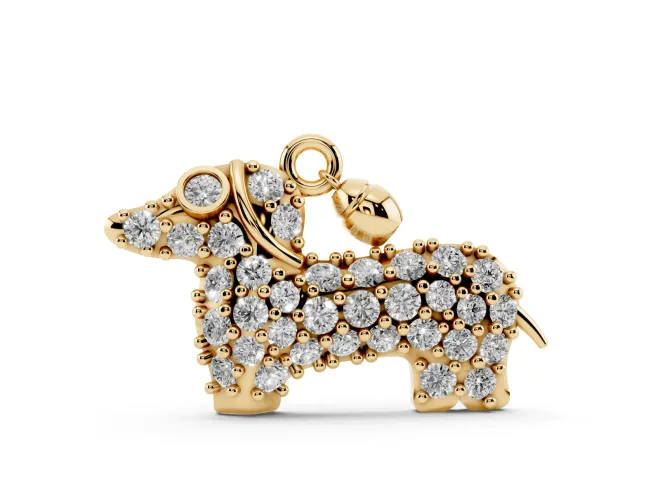
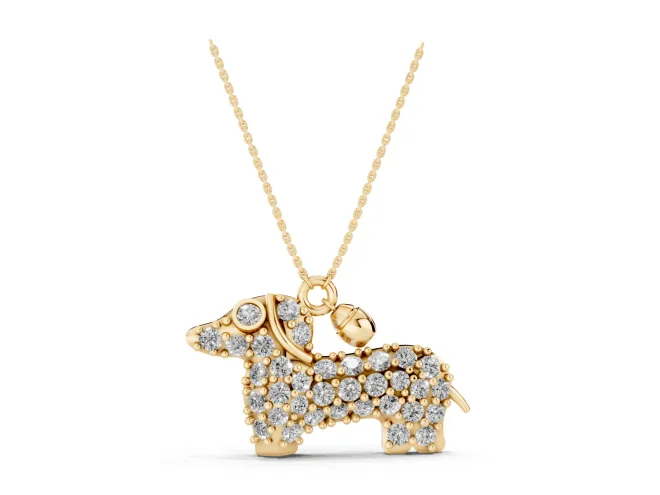
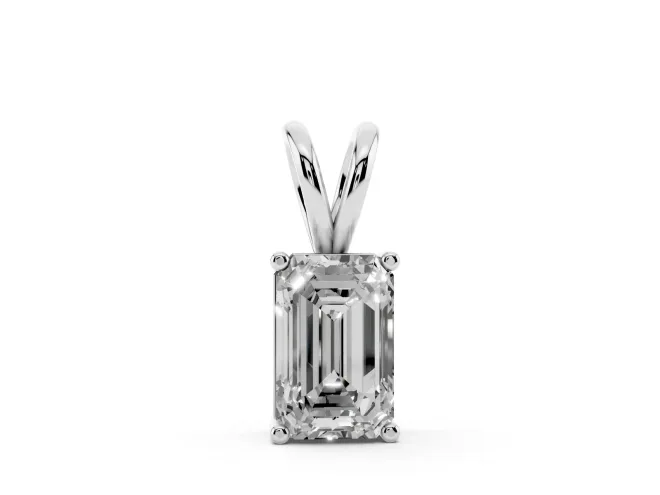
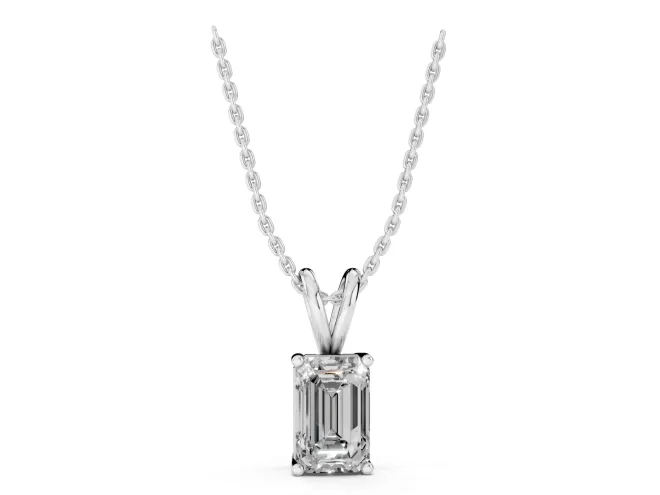
$989 $1,978
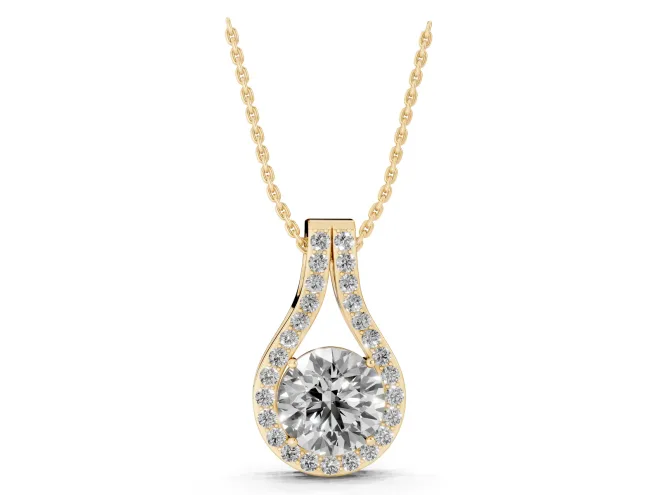
$1,000 $2,000
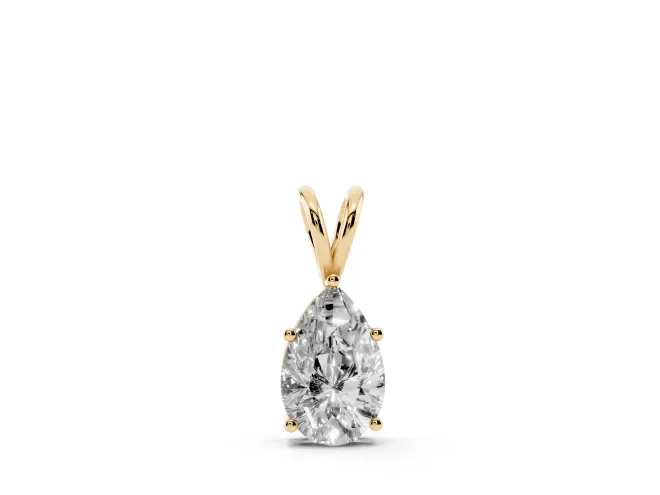
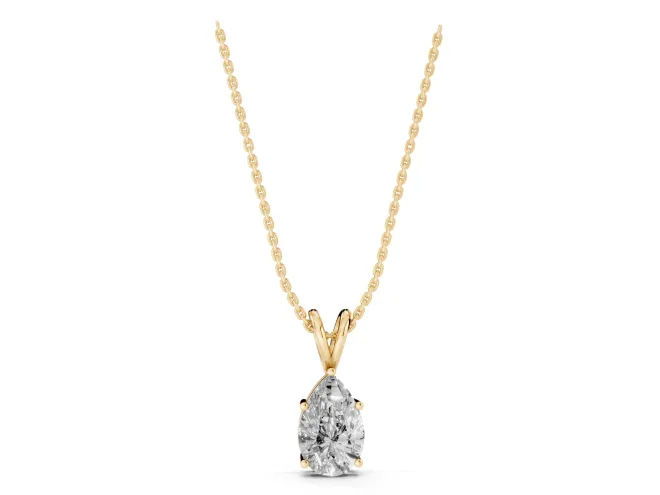
$969 $1,938
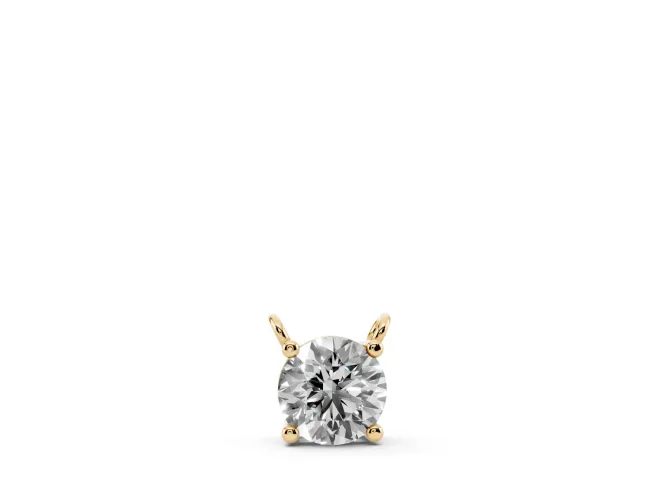
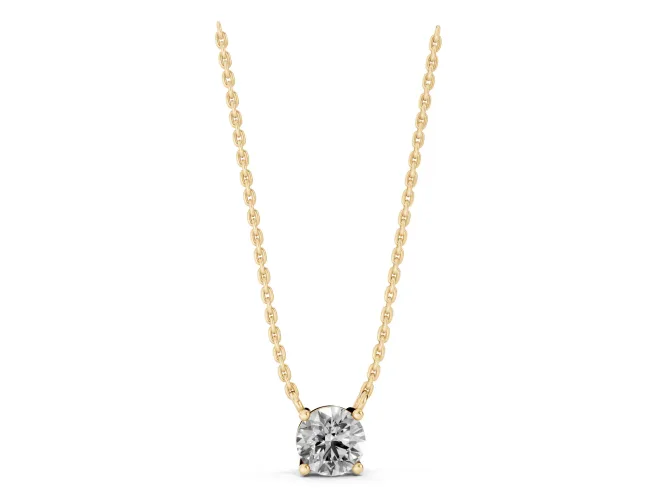
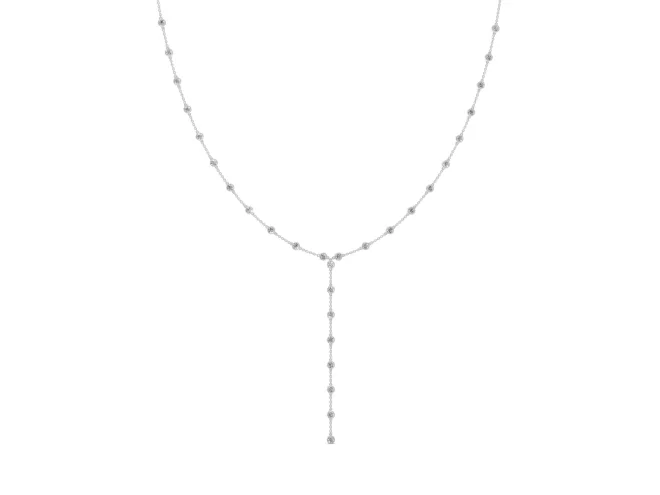
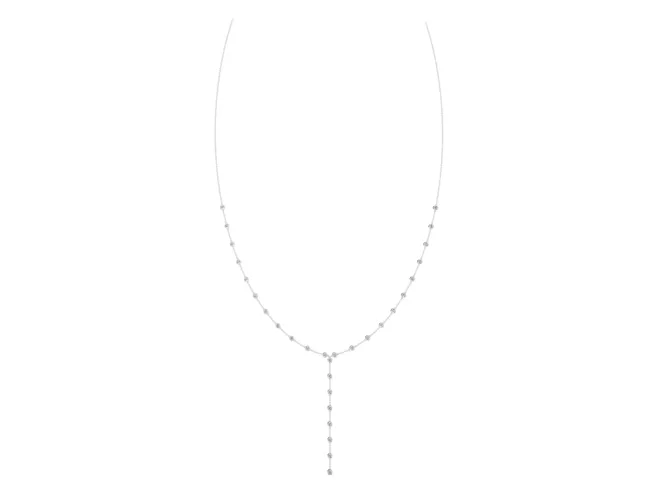
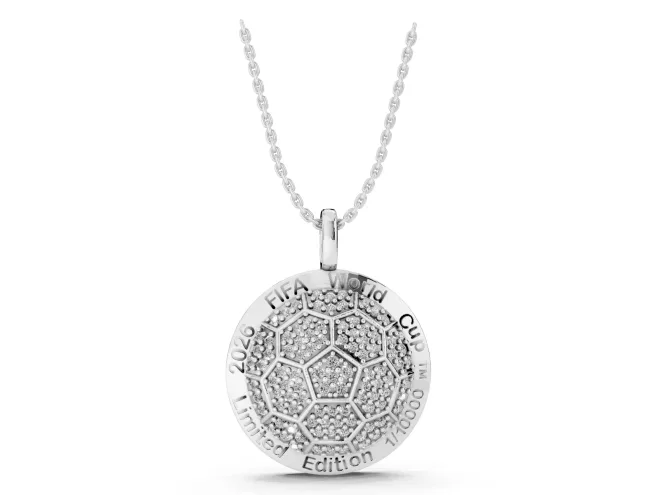
$2,510 $5,020
Showing 1–14 of 218
More to discover
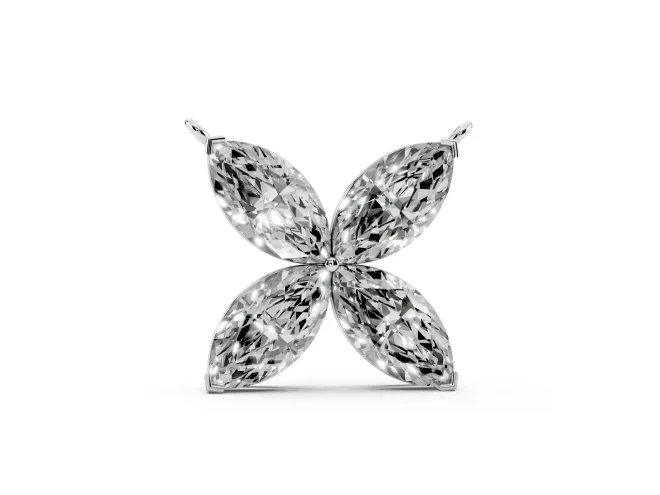 Lab-Grown Diamond Floral Necklaces
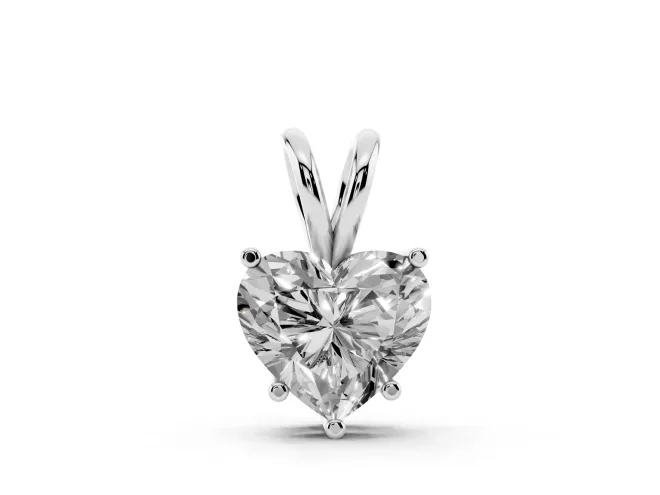 Lab-Grown Diamond Solitaire Necklaces
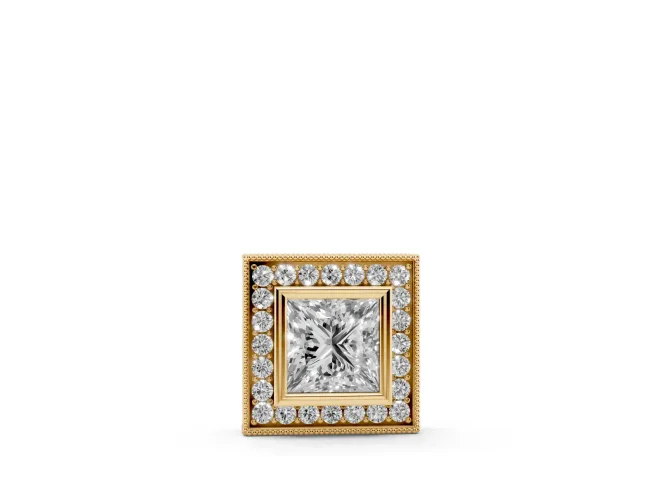 Lab-Grown Diamond Vintage Necklaces
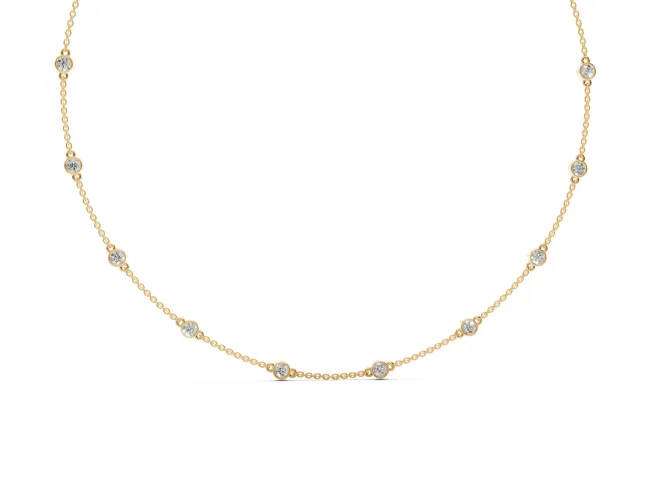 Lab-Grown Diamond Bezel Necklaces
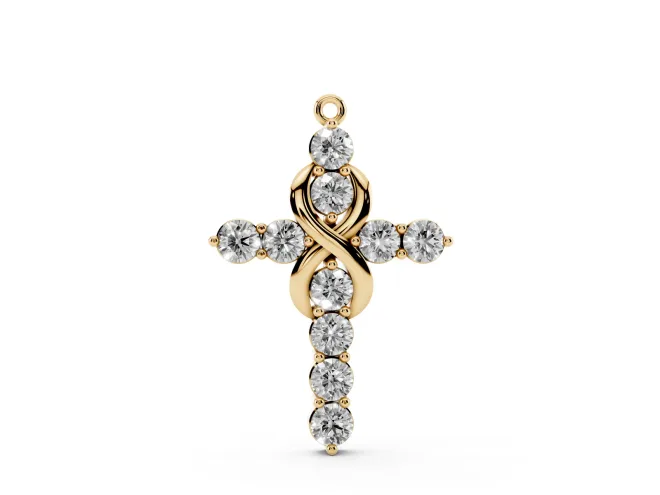 Lab-Grown Diamond Infinity Necklaces
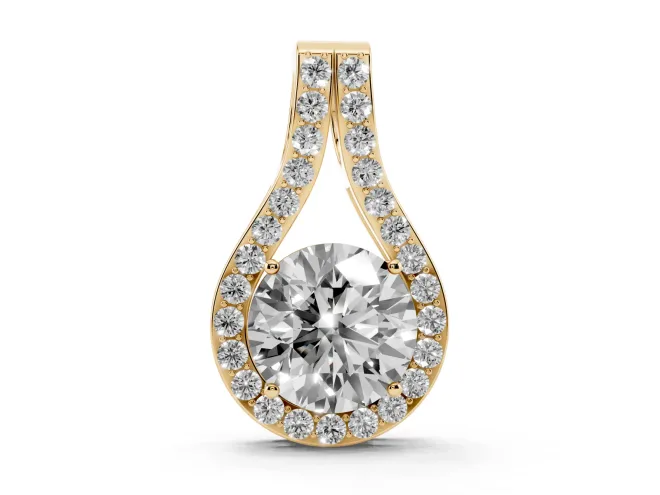 Lab-Grown Diamond Halo Necklaces
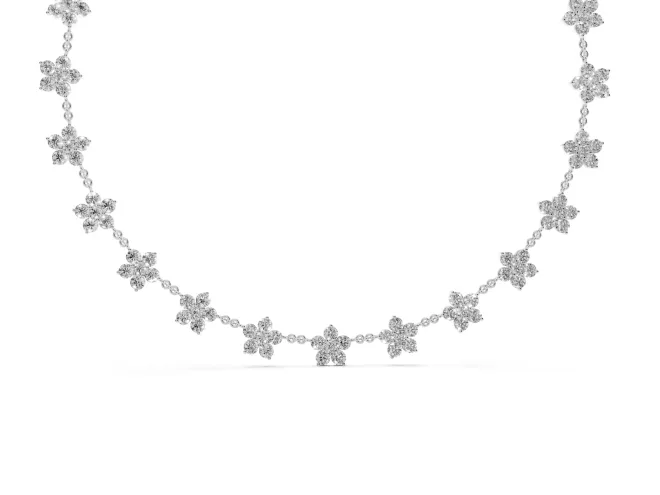 Lab-Grown Diamond Cluster Necklaces
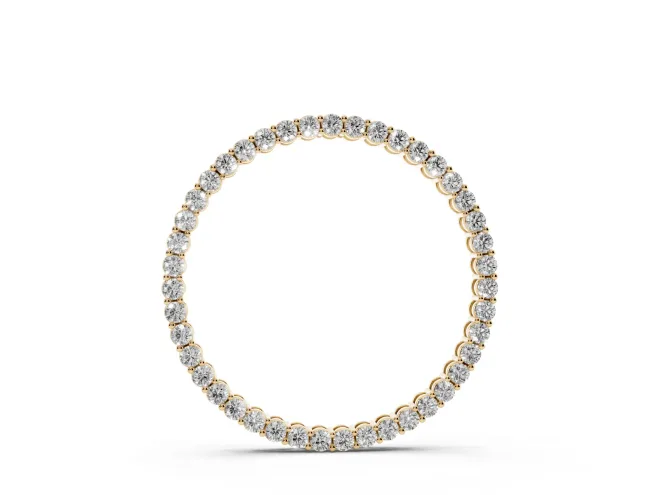 Lab-Grown Diamond Eternity Necklaces
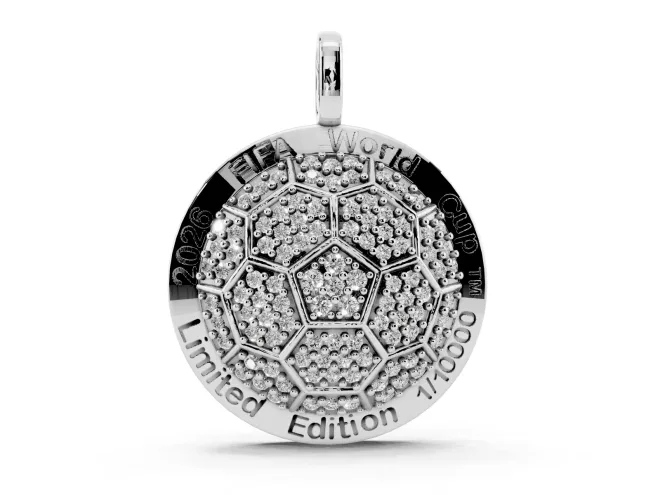 Lab-Grown Diamond Pave Necklaces
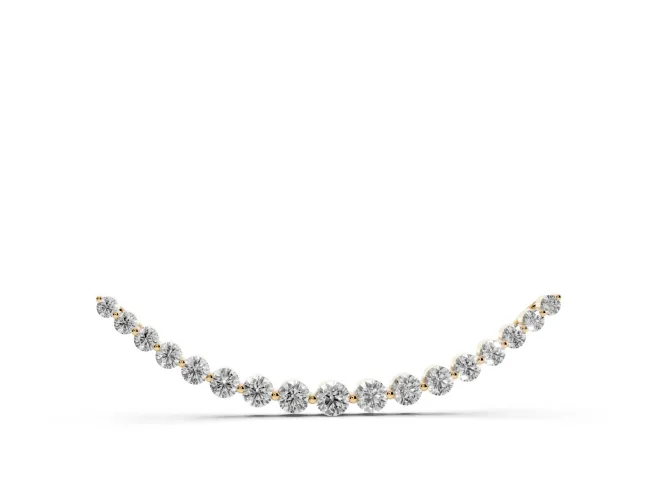 Lab-Grown Diamond Curved Bar Necklaces
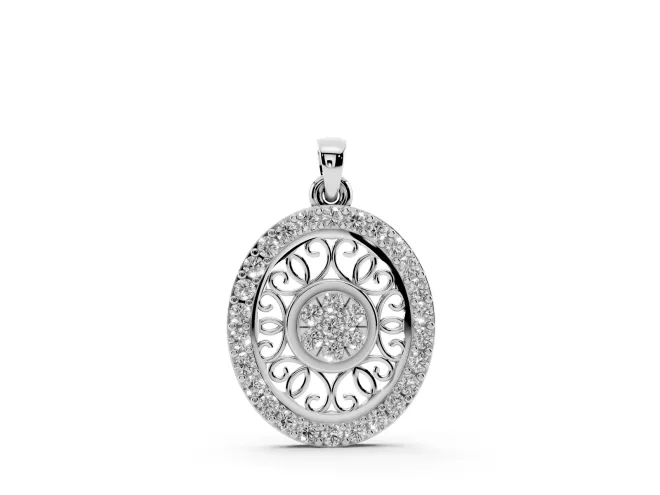 Lab-Grown Diamond Filigree Necklaces
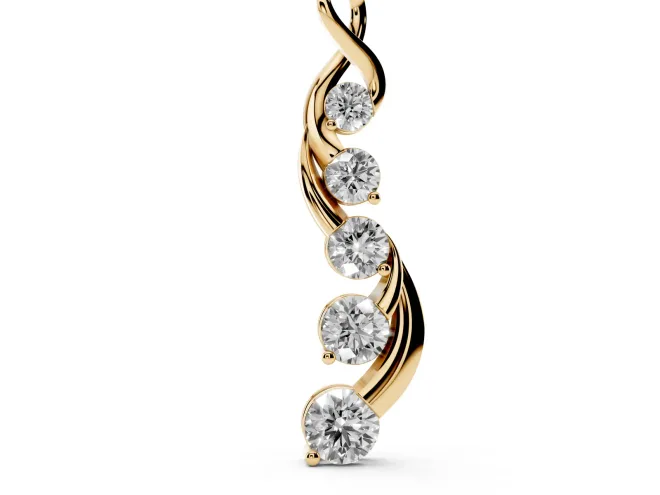 Lab-Grown Diamond Twisted Necklaces


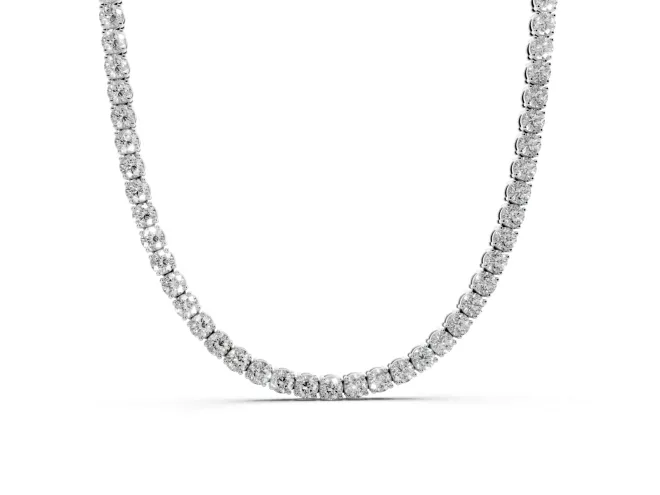
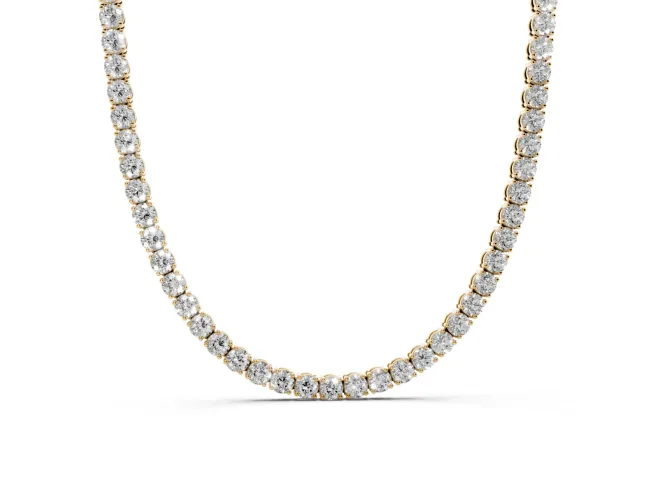
Pendant, tennis or station
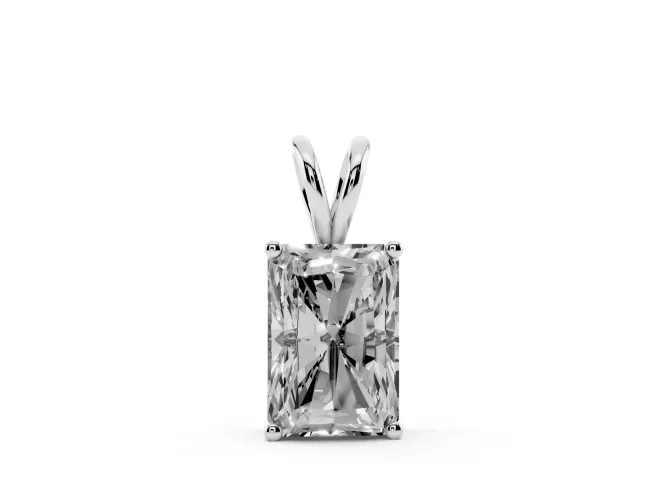
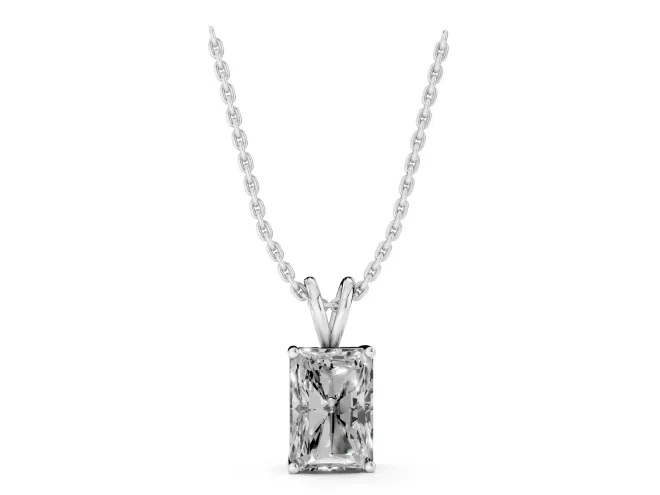
- Pendant: one focal piece on a chain, solitaire through halo or cluster.
- Tennis necklace: lab-grown diamonds linked all the way around.
- Station necklace: stones spaced out along a chain for an airier effect.
Choosing total weight
Most designs run 0.5 to 5 carats total weight. Under 1 carat, a pendant stays discreet; at 2 to 3 carats, it registers from across a table. Halo and cluster pendants divide weight among many stones and therefore read bigger than one solitaire of matching total.
Karat and silver
Most designs come in 10K or 14K gold, with 18K available on a few, in white, yellow or rose. Silvadium, our tarnish-resistant sterling silver, appears on almost every design. Yellow gold lends stones warmth; white metals keep them icy. Rose gold flatters warmer skin and reads softer on a fine chain.
Wearing and storing
Fasten its clasp before dressing, and remove it for sleep, showers and swimming. Lay it flat or hang it so links can't knot, and refresh that pendant with diluted dish soap and a soft bristle brush.
Lab-Grown Diamond Necklaces: Common Questions
Which diamond shape is best for pendants?
Round is the favorite, since its brilliance holds from any angle even as a pendant turns. Oval and pear lab-grown diamonds add length and seem bigger per carat, while princess and cushion give a squarer outline. Most designs here use rounds.
Is a 2 carat diamond pendant too big?
No. A 2 carat total weight pendant is noticeable yet wearable every day, particularly in halo or cluster form, where that weight spreads across smaller lab-grown diamonds. As a solitaire it reads bolder; plenty of designs here offer 2 carats.
What is the best type of chain to hang a pendant?
Cable or wheat chains are the best all-rounders: sturdy links that let a pendant glide and settle flat. Box chains keep their shape well, and fine rope chains suit heavier pendants. Match chain thickness to the pendant's bail opening.
Are diamond pendants still in style?
Yes. Lab-grown diamond pendants remain a jewelry-box staple because they layer easily and suit casual and formal wear alike. Solitaires and small halos stay classic, while clusters, bezels and east-west shapes feel more current and layer well with longer chains.
How much is a real diamond pendant?
It depends on size, metal and origin. Lab-grown diamonds are real diamonds and are priced well below mined stones of matching carat. Here, pendants and necklaces start under $250, with most between about $700 and $900 at their lowest carat option.


