Gold Rings
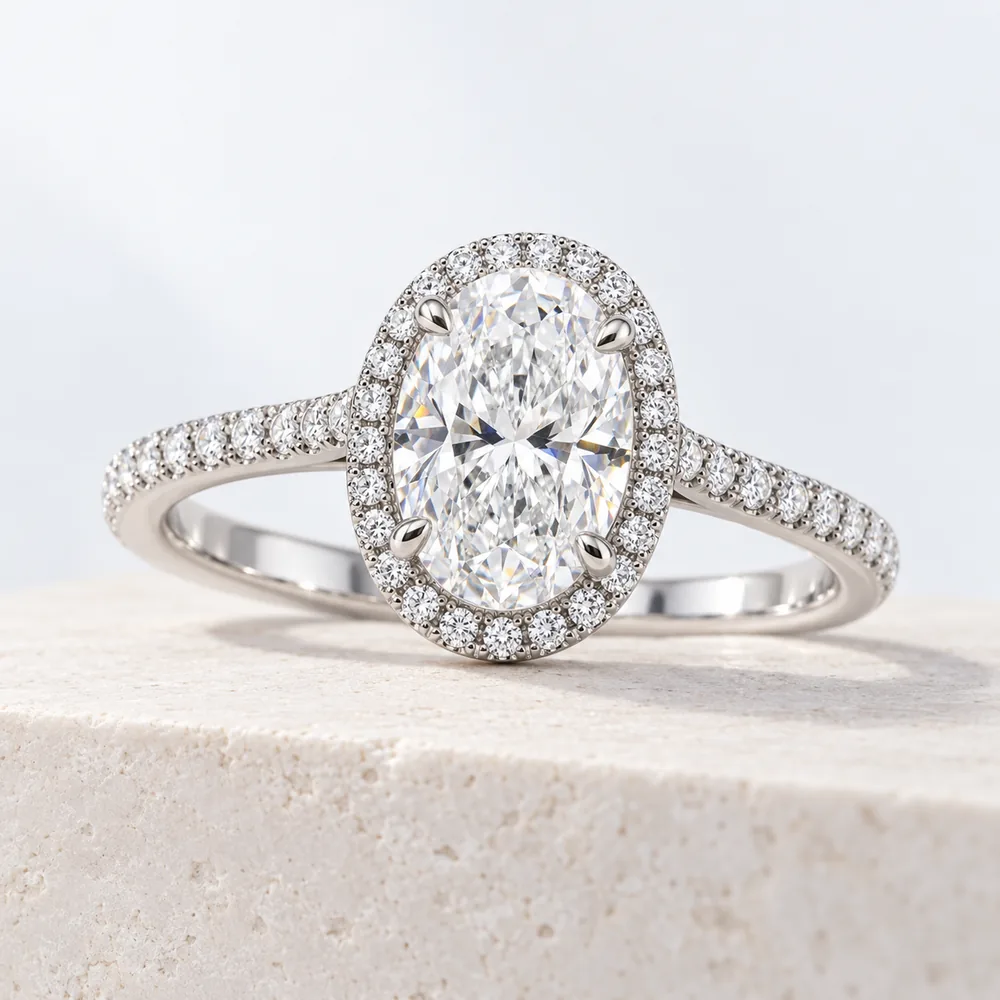
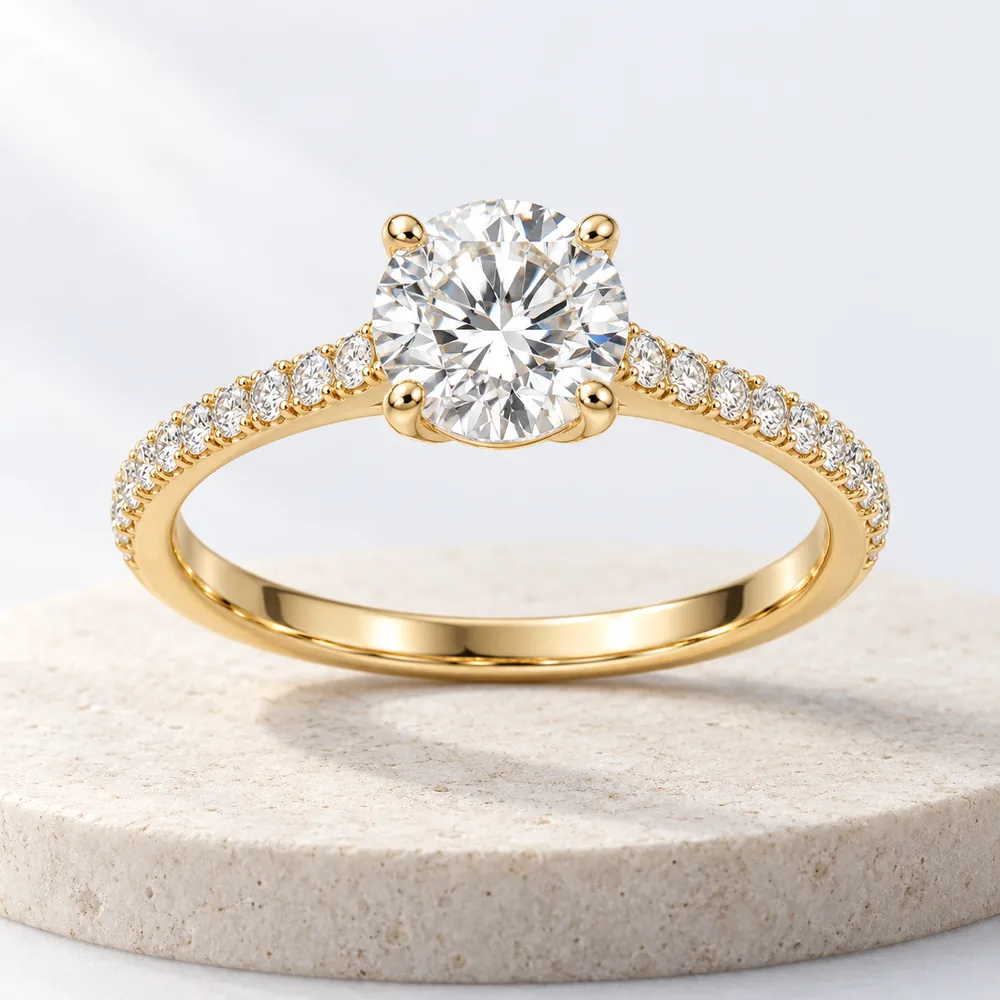
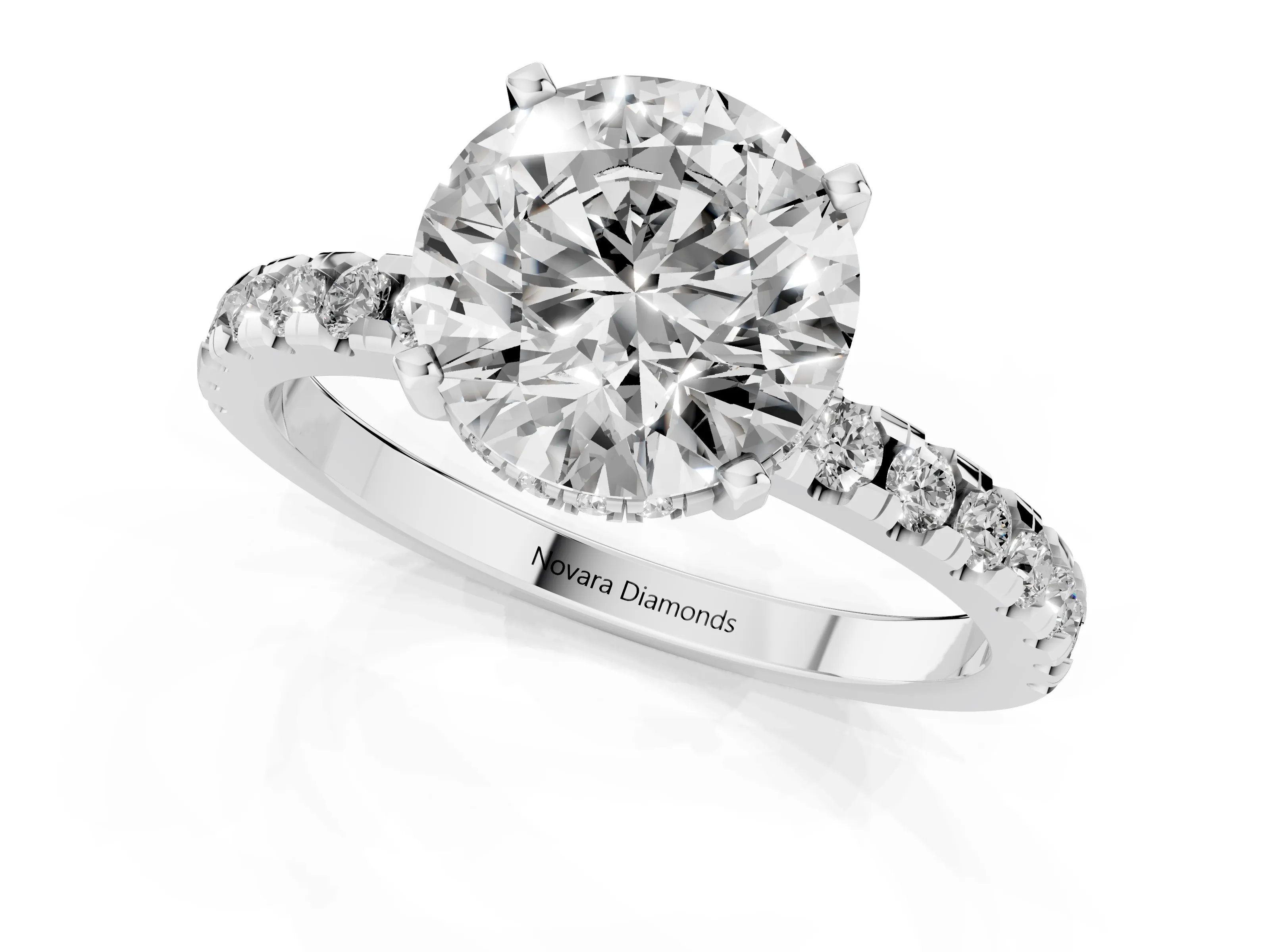
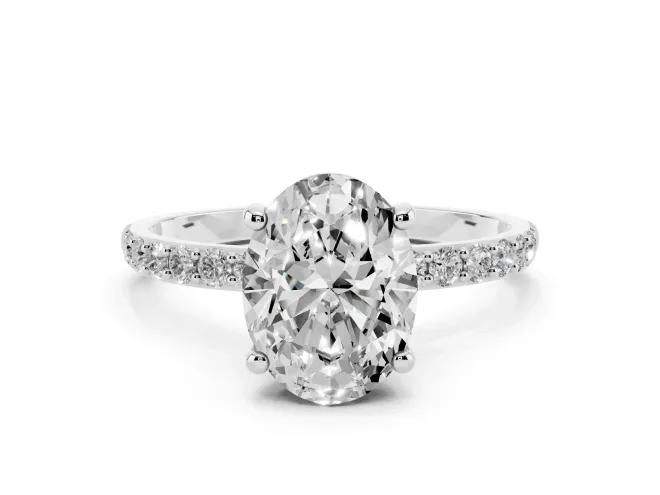
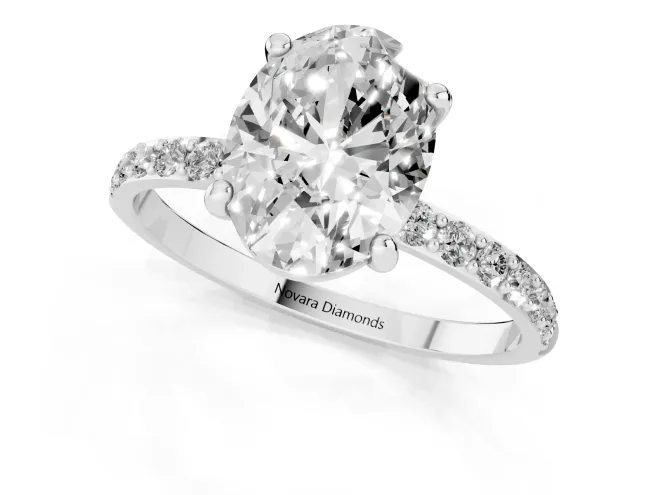
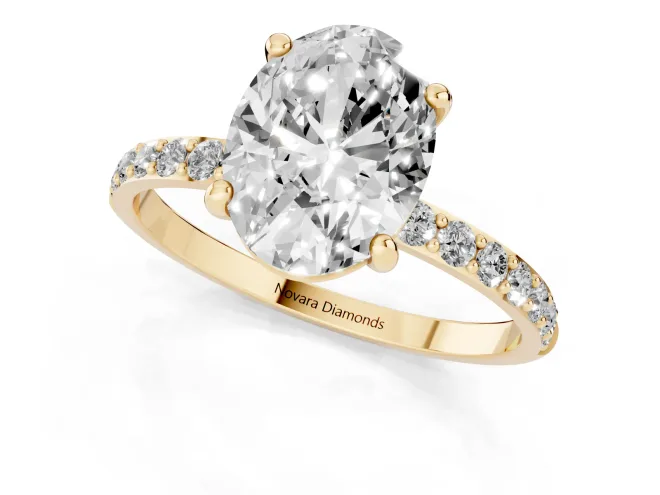
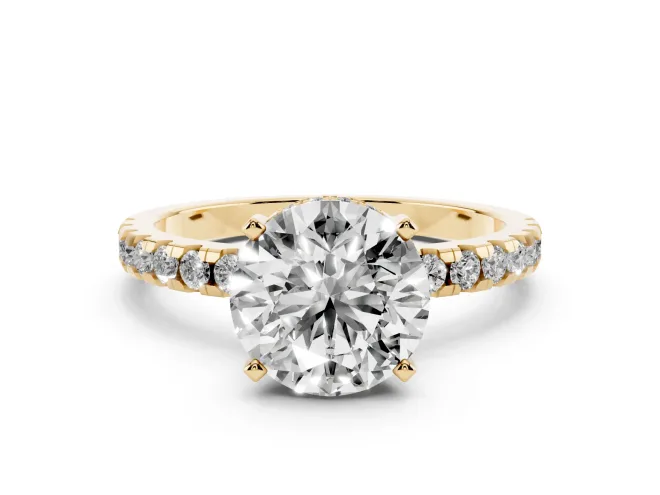
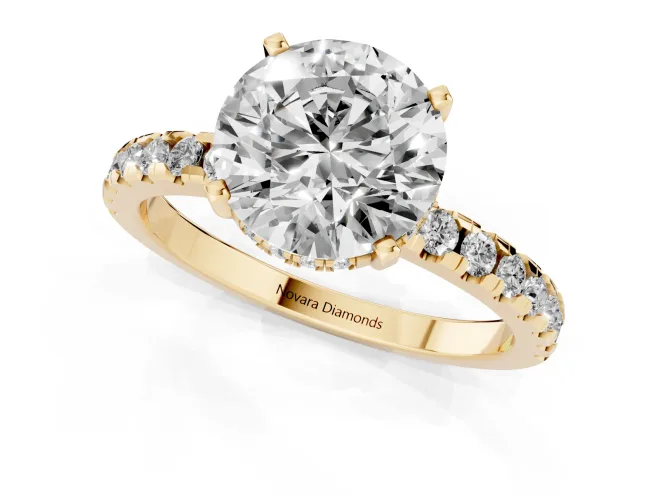
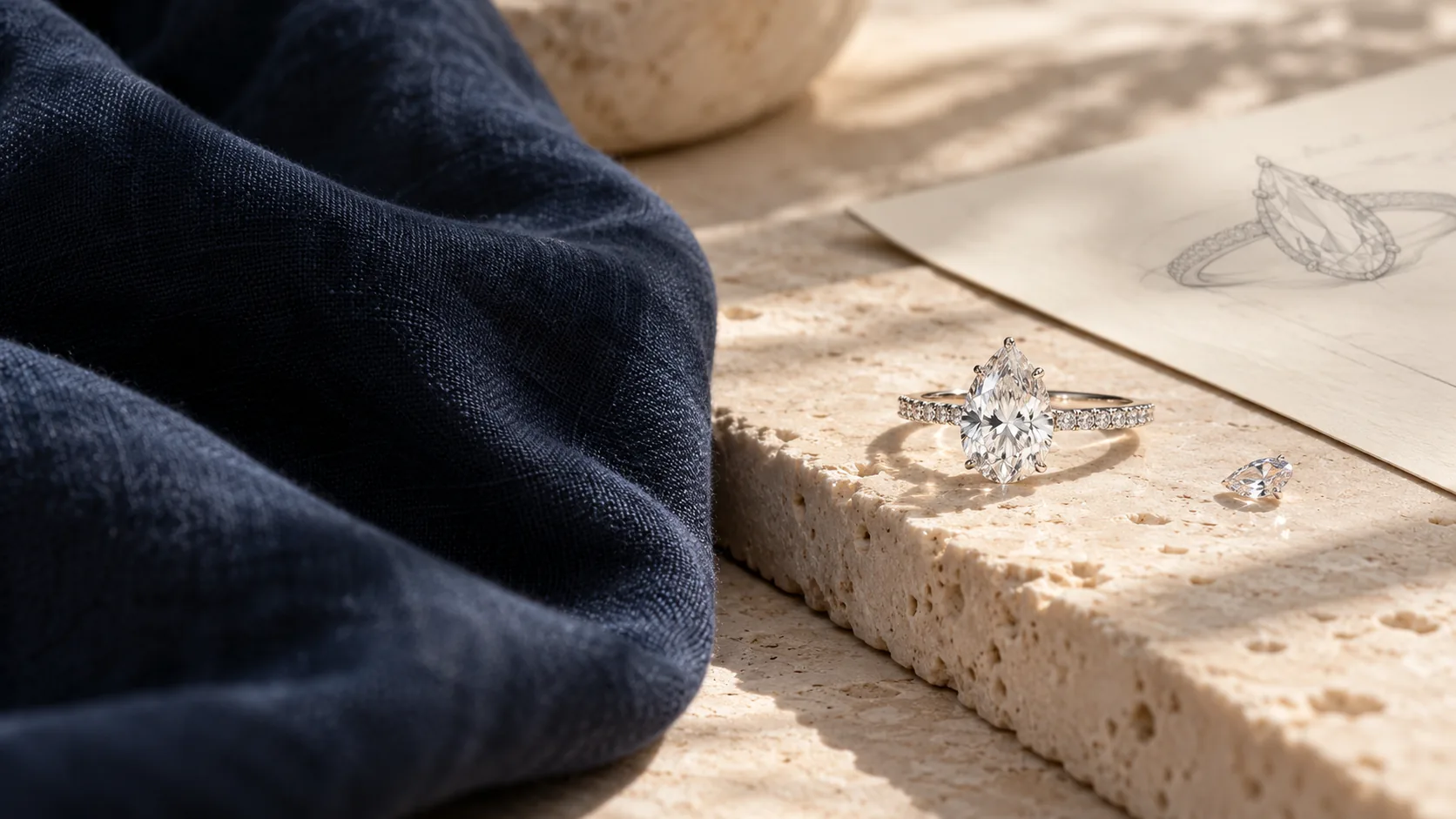
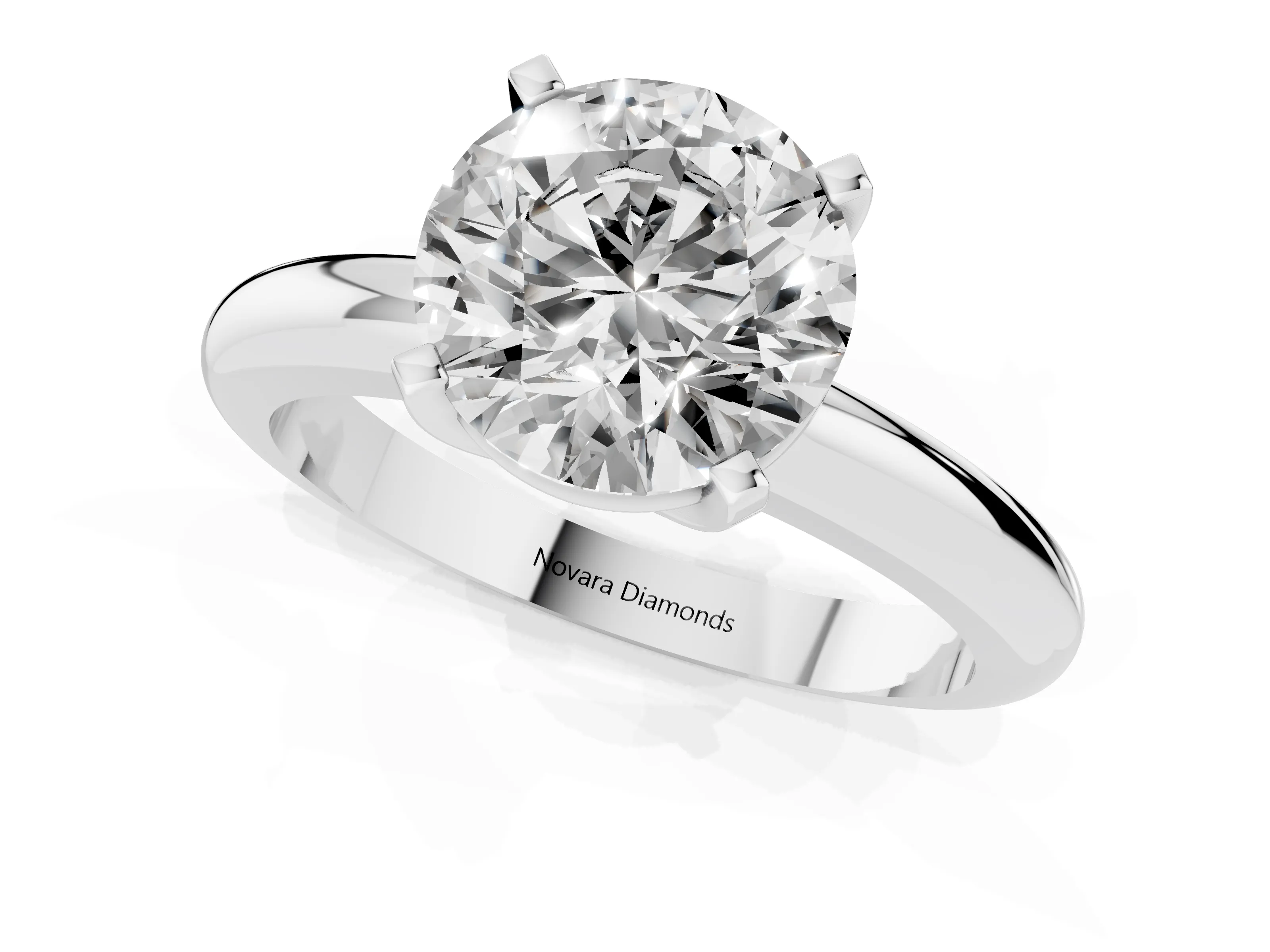
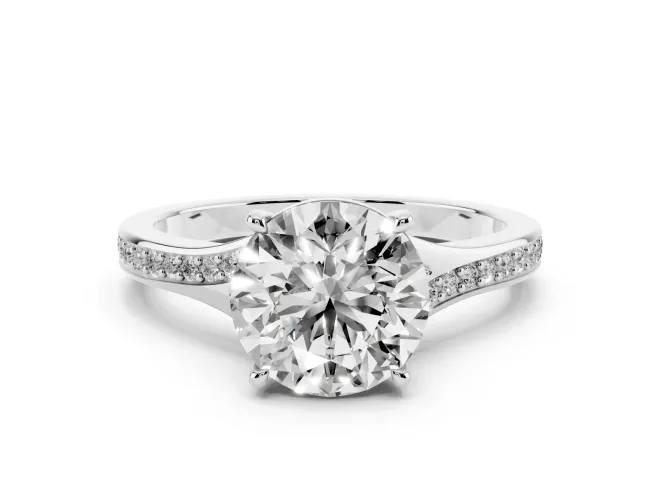
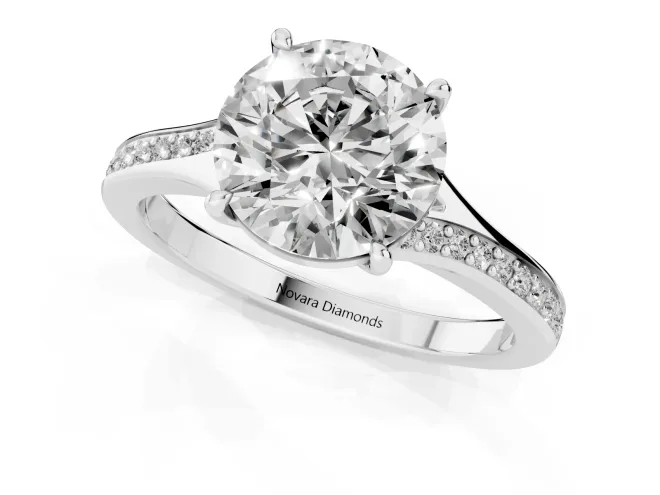
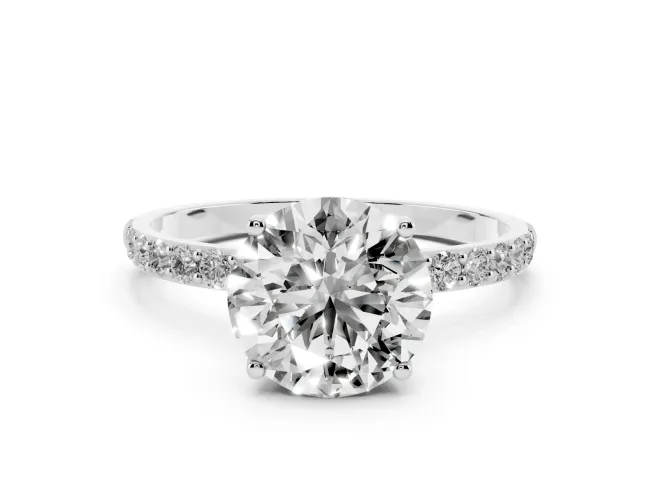
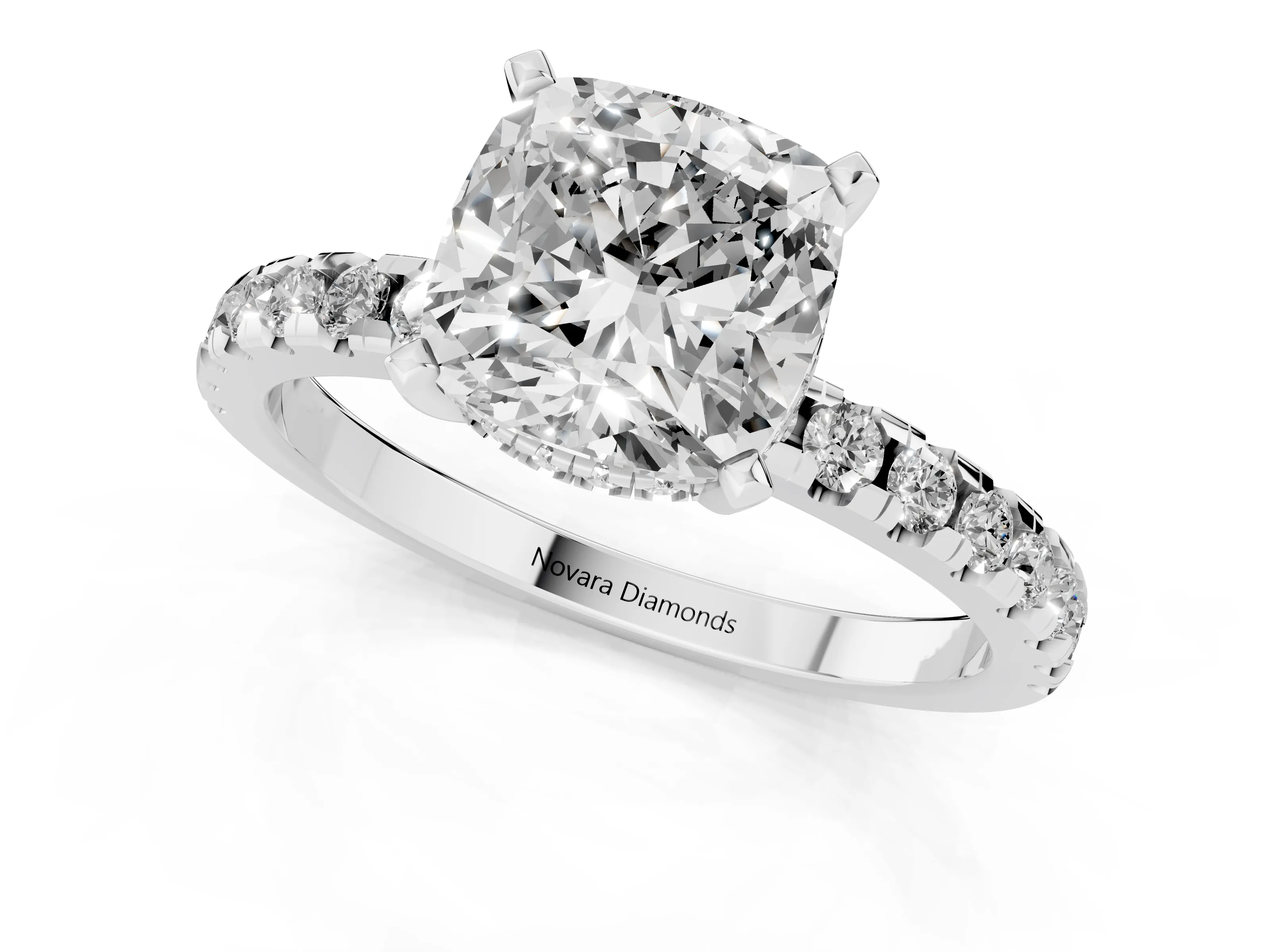
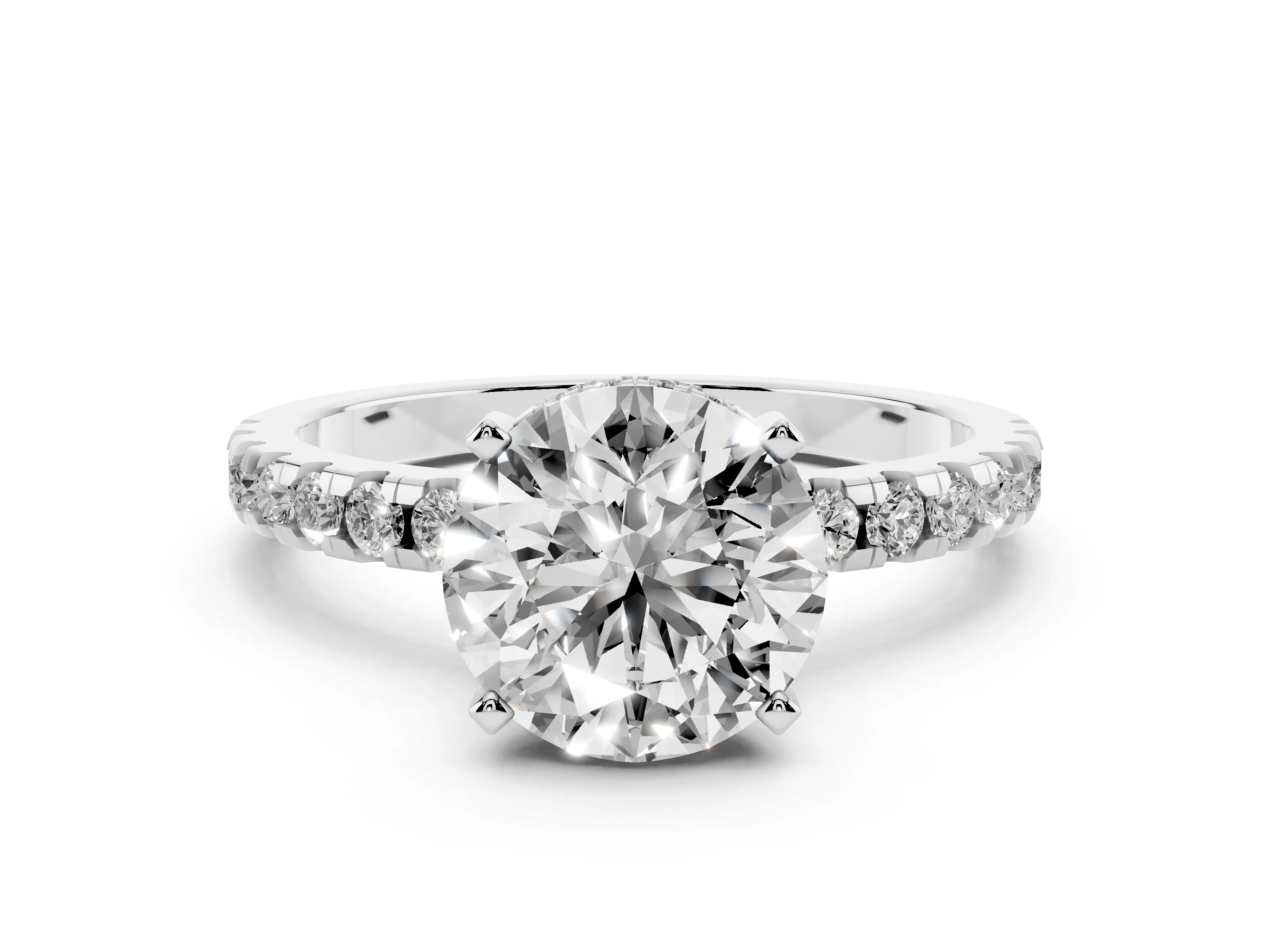
The gold sets the tone before the center does. This page gathers gold rings, nearly all engagement ring settings: solitaires, pavé bands, halos, three-stone and vintage milgrain designs, plus a few men's styles. Each listing asks for 10K, 14K or 18K; the center diamond, in whichever shape you like, gets chosen on the following step.




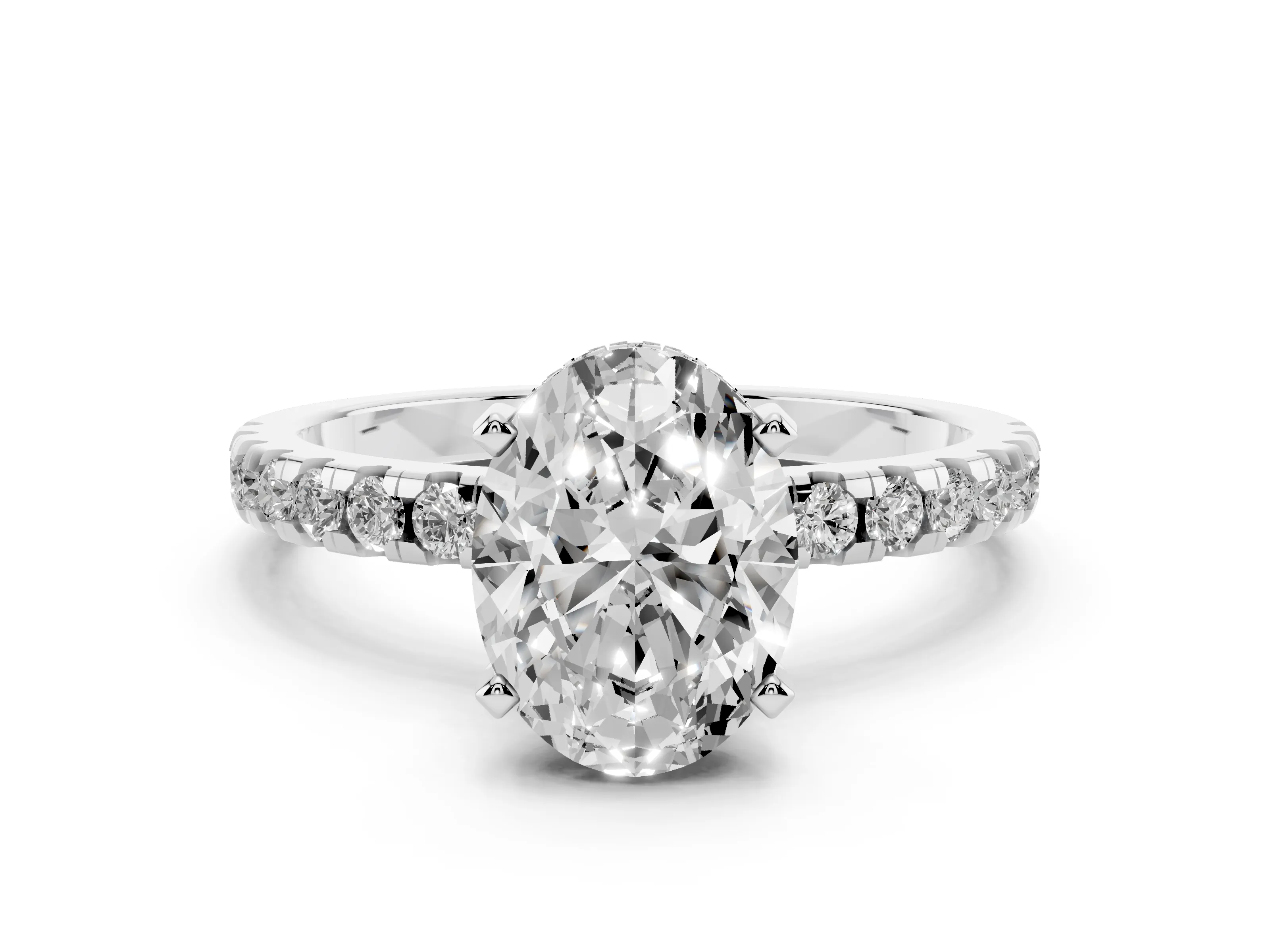
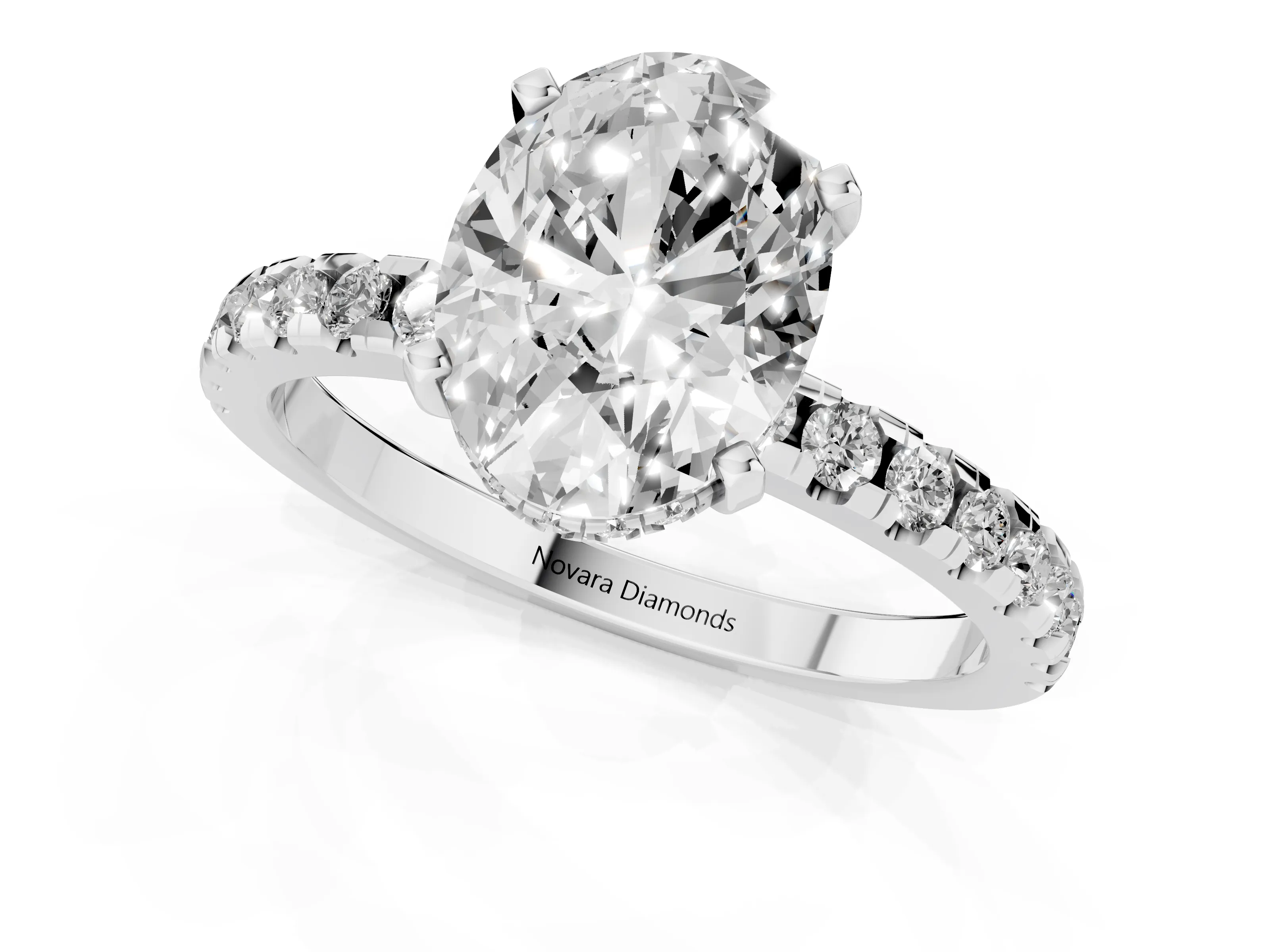
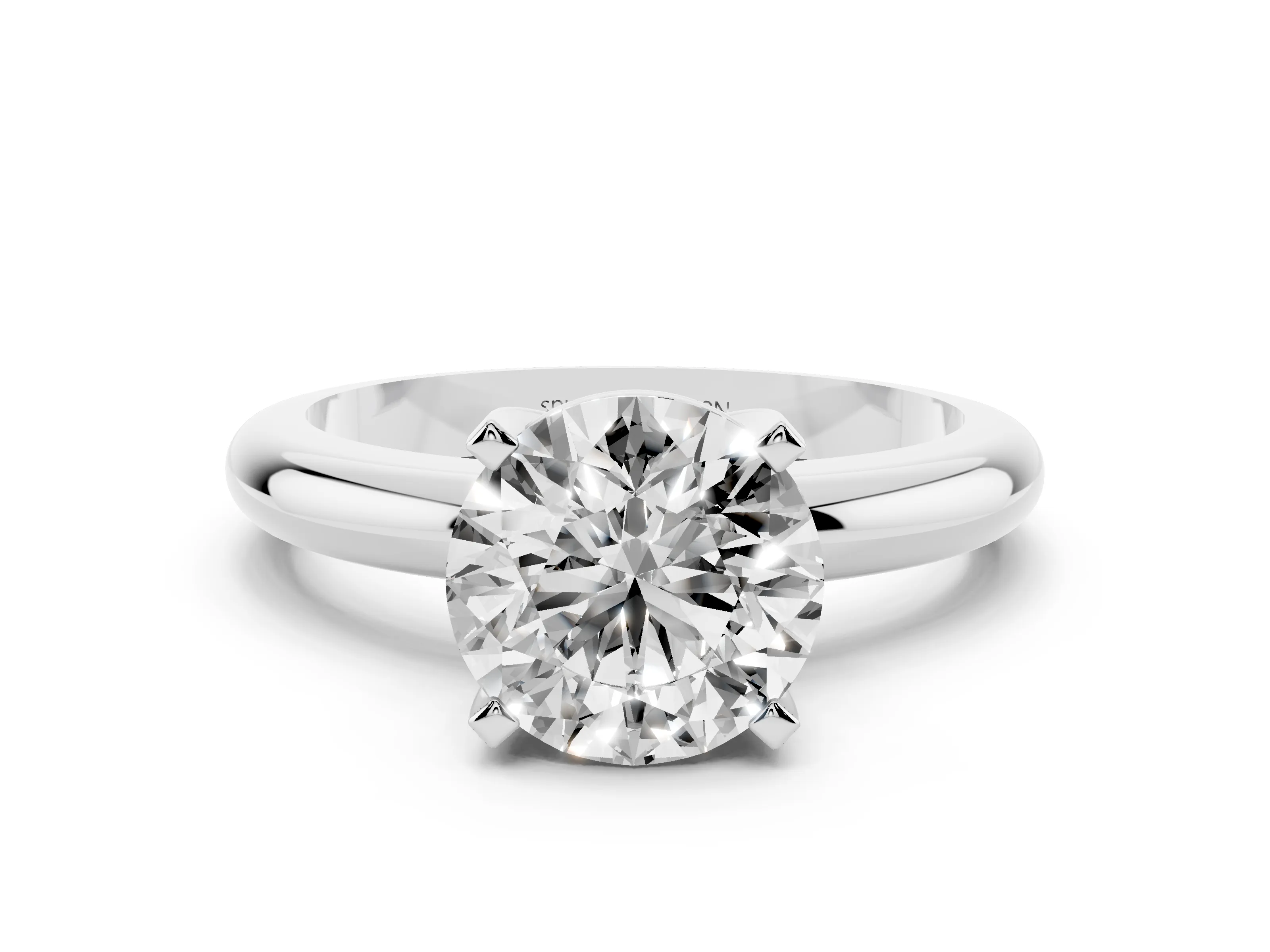
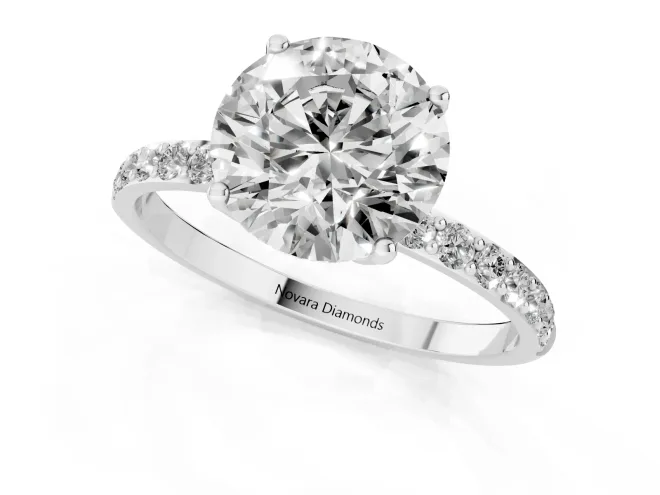
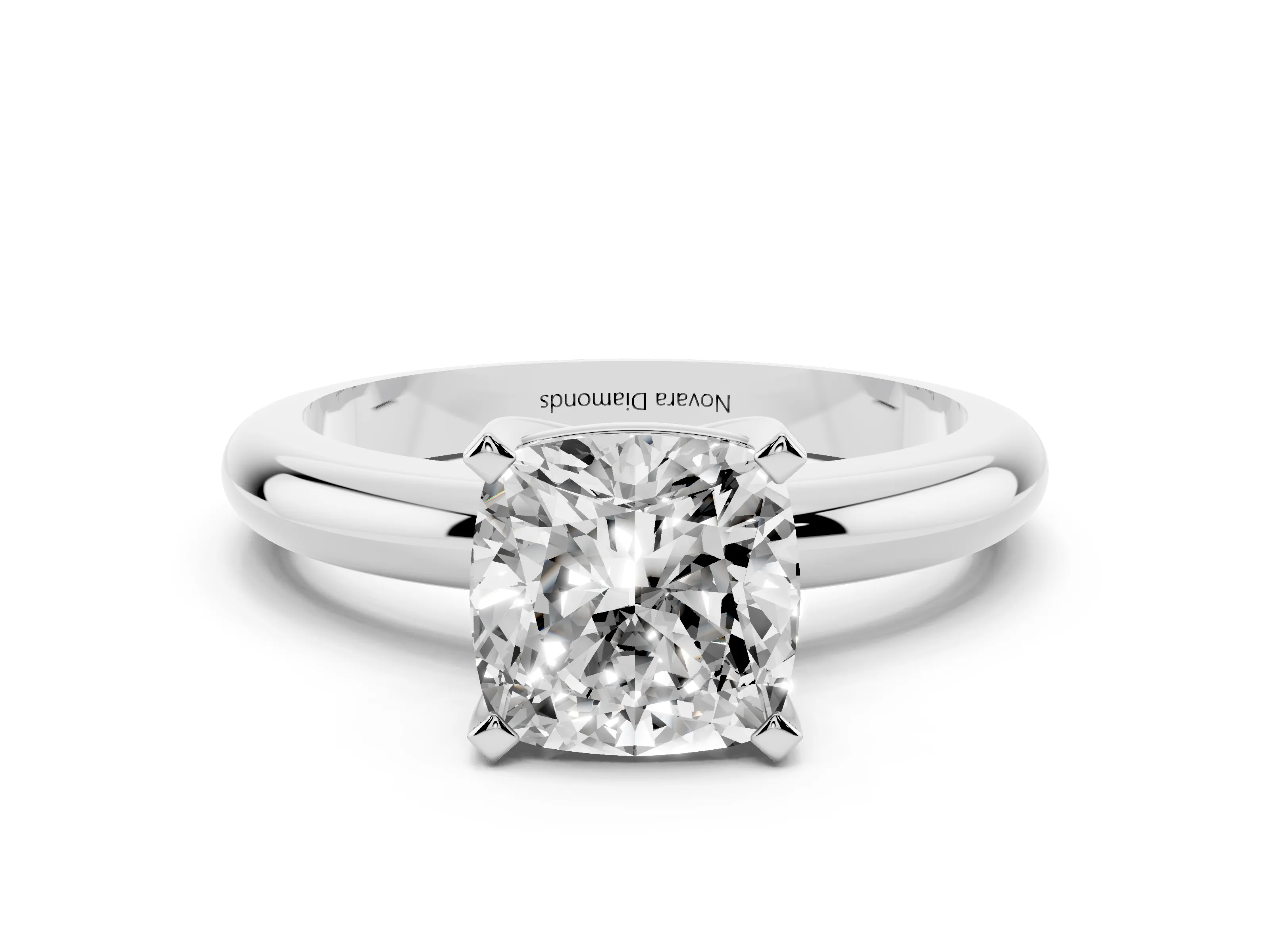
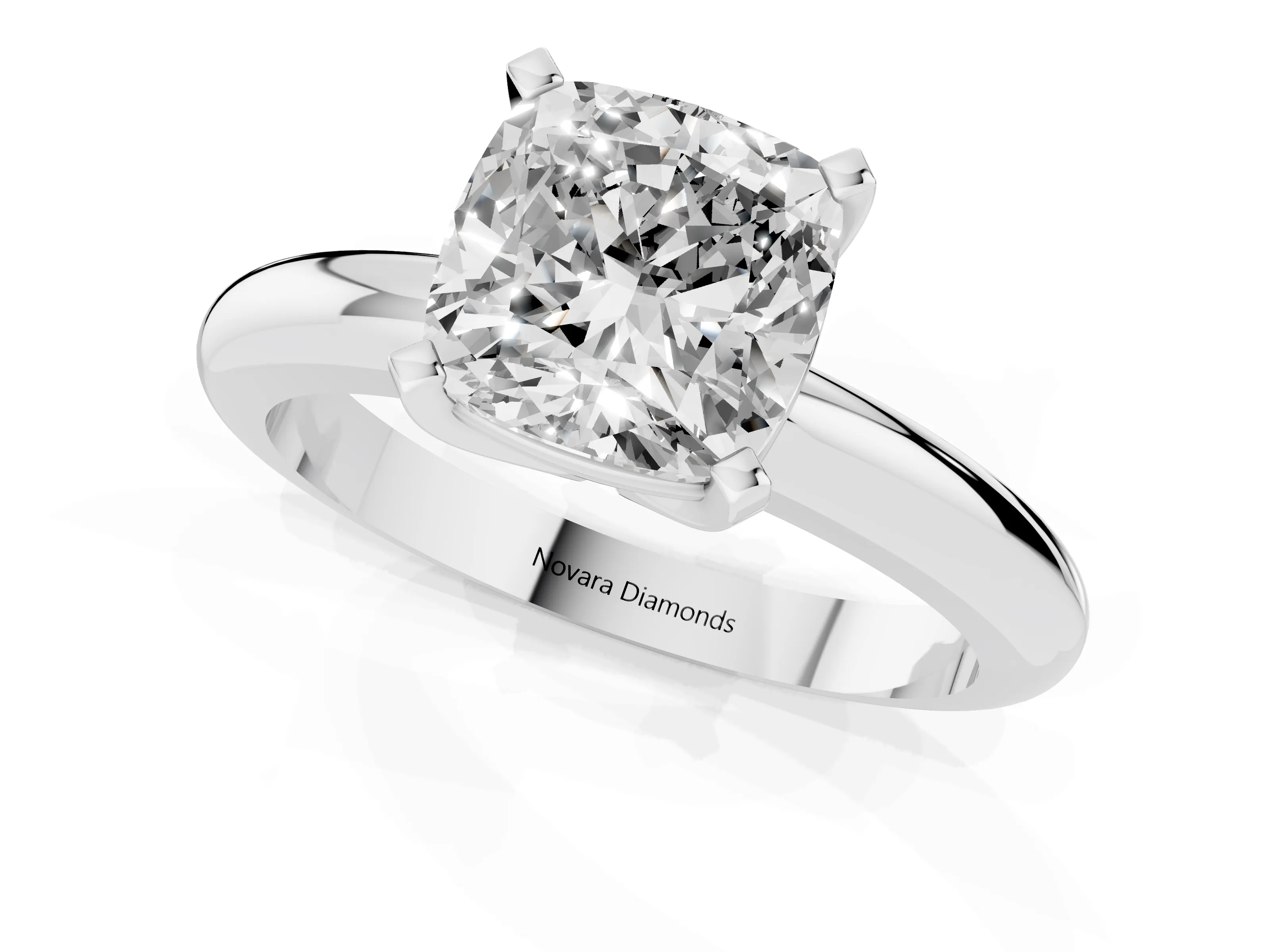
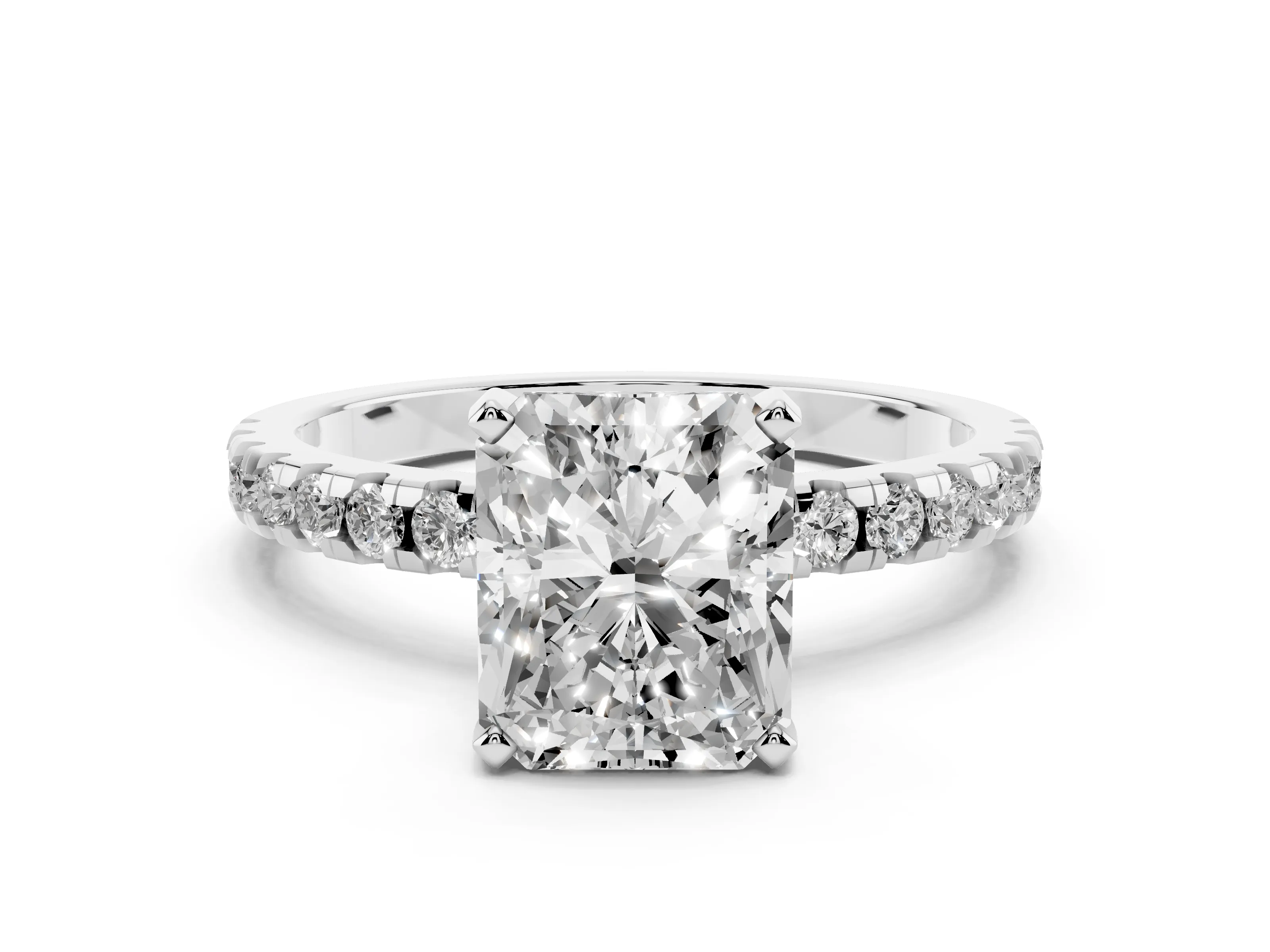
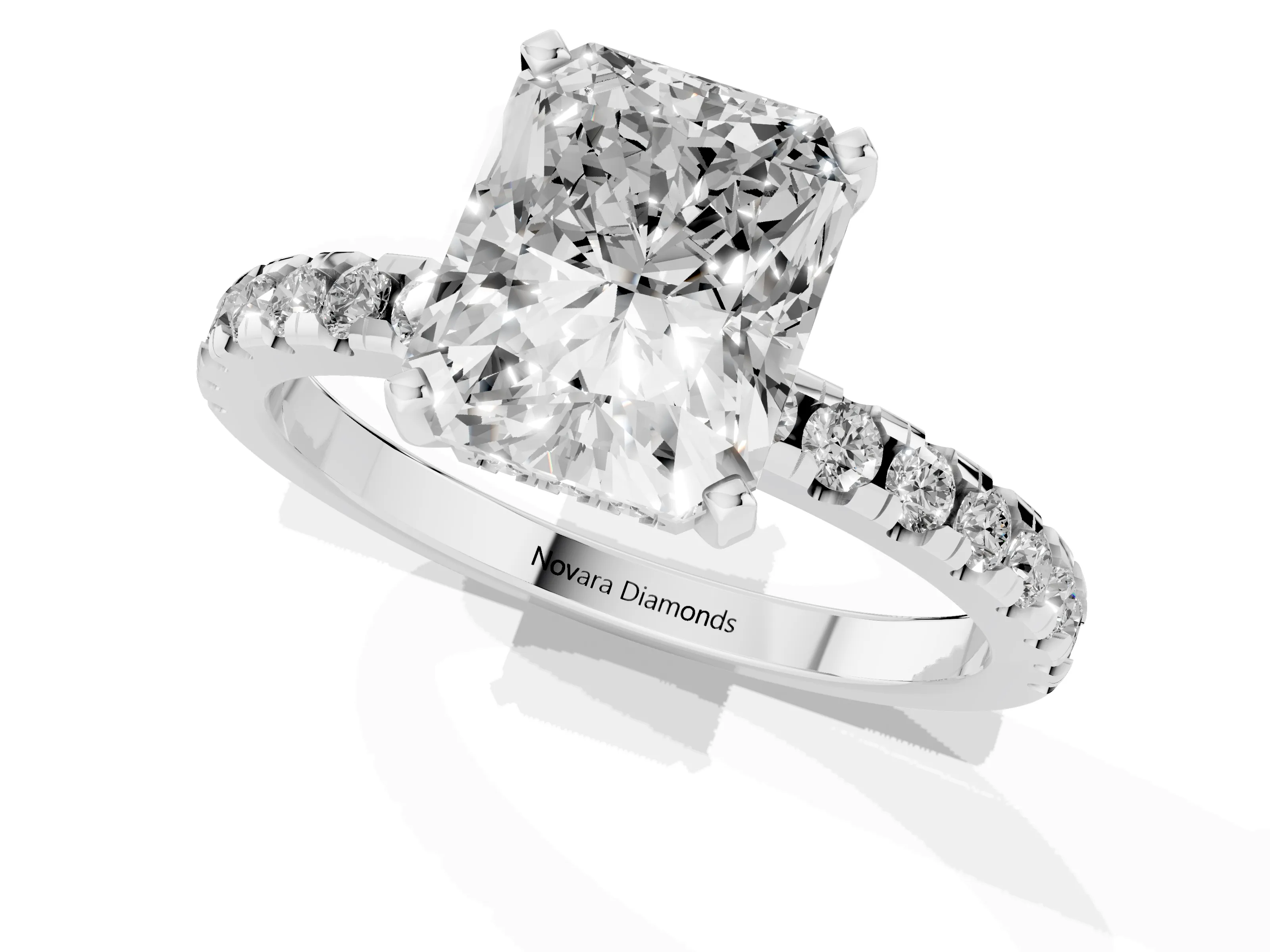
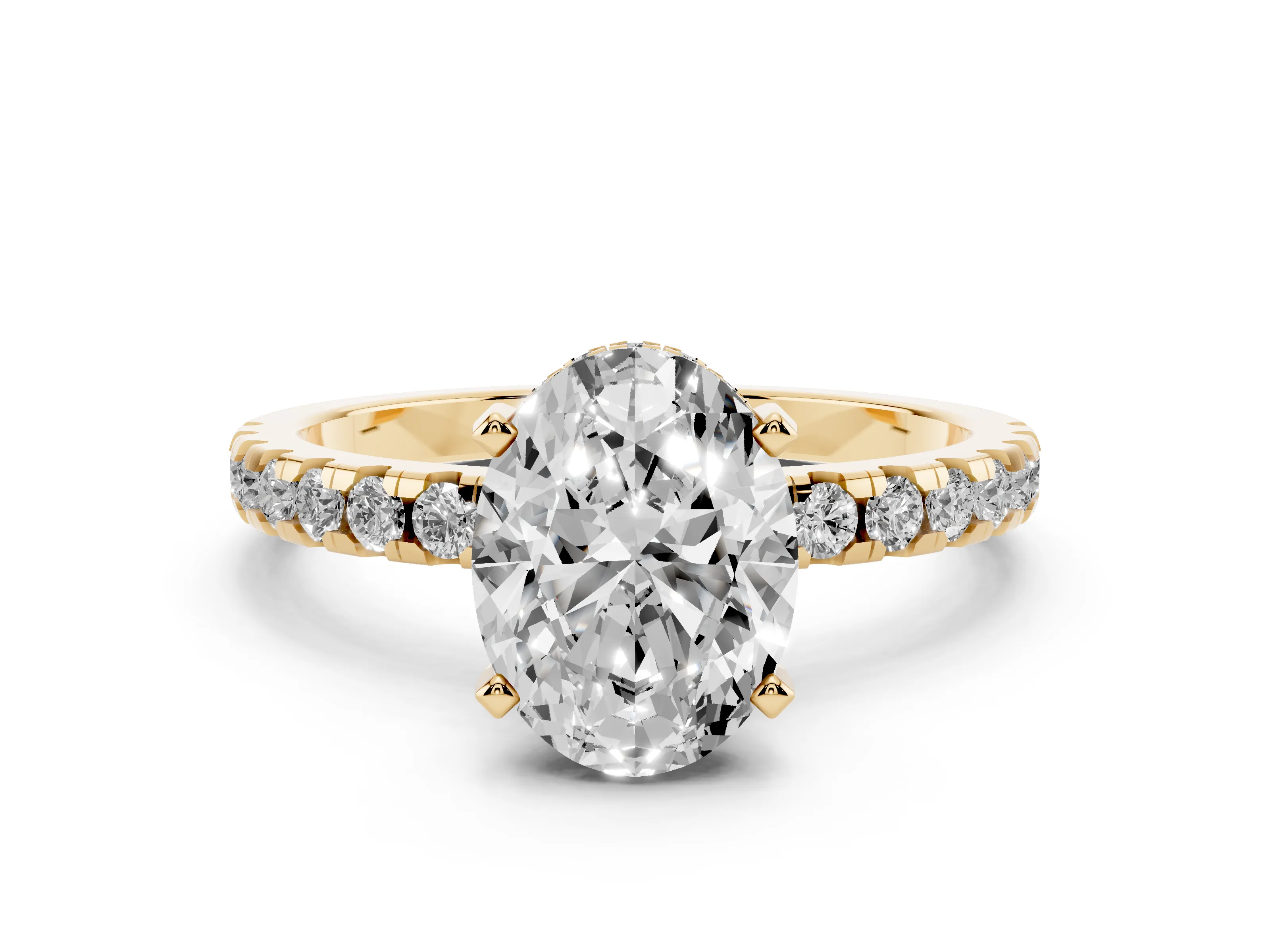
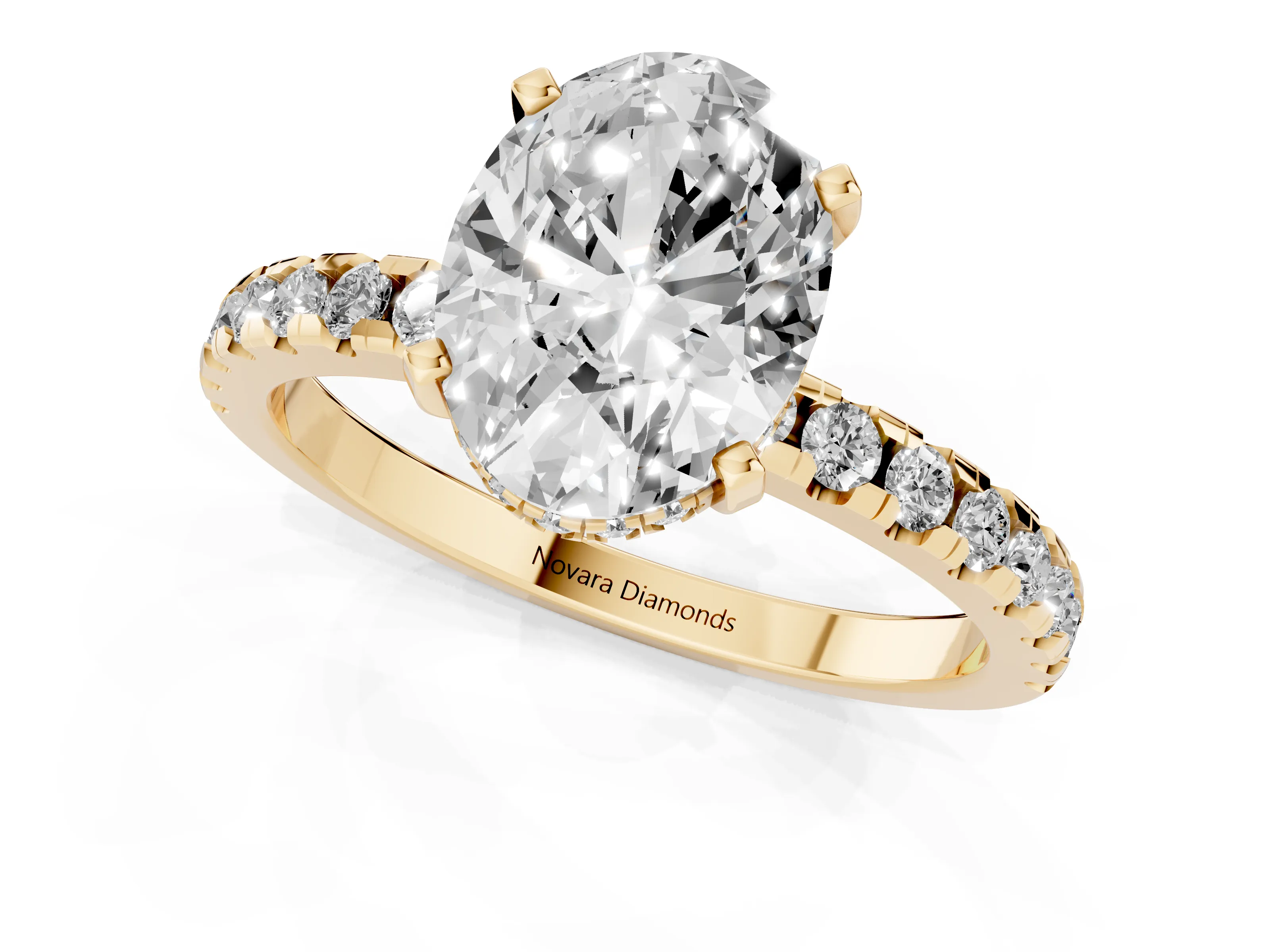
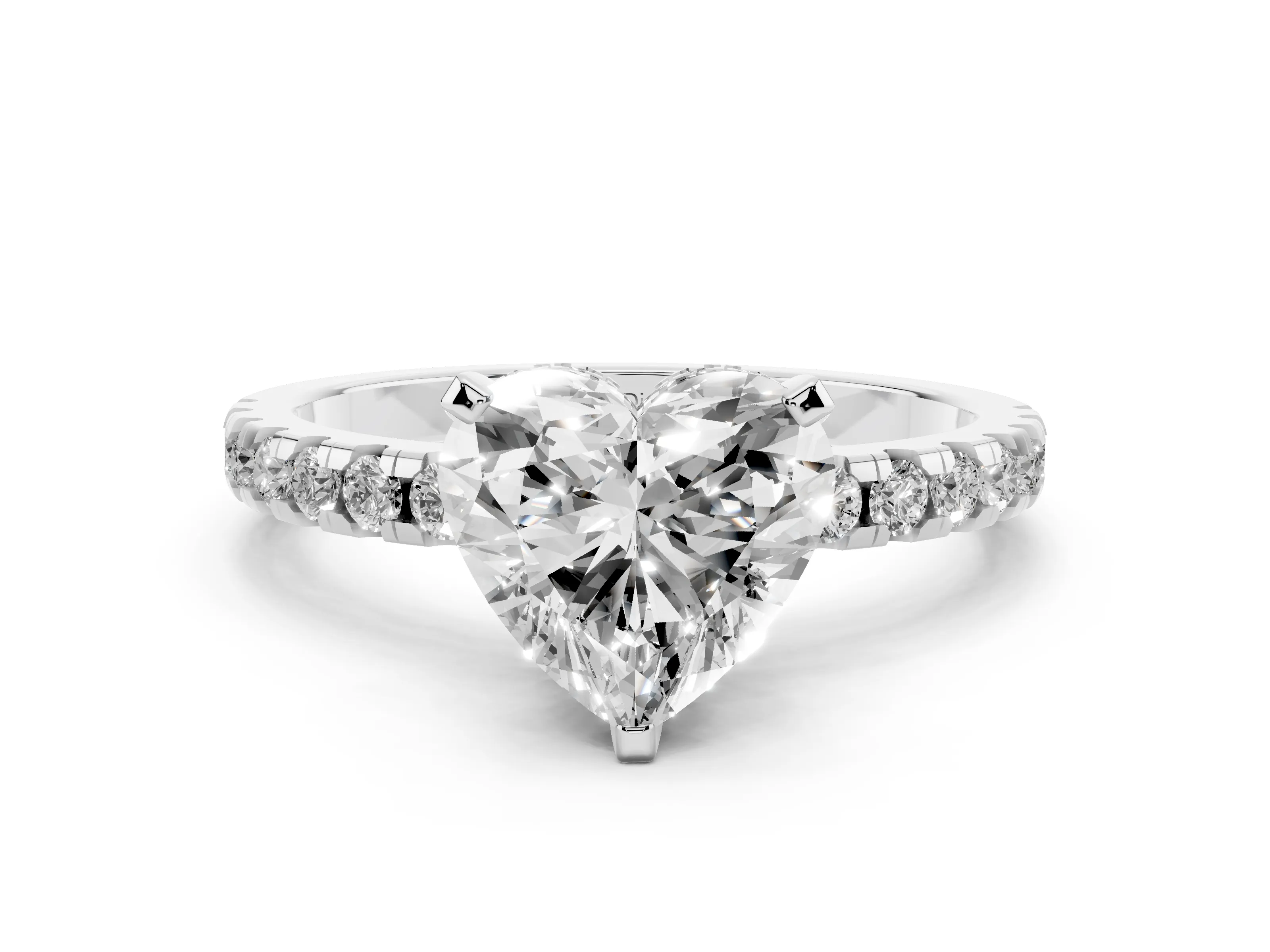
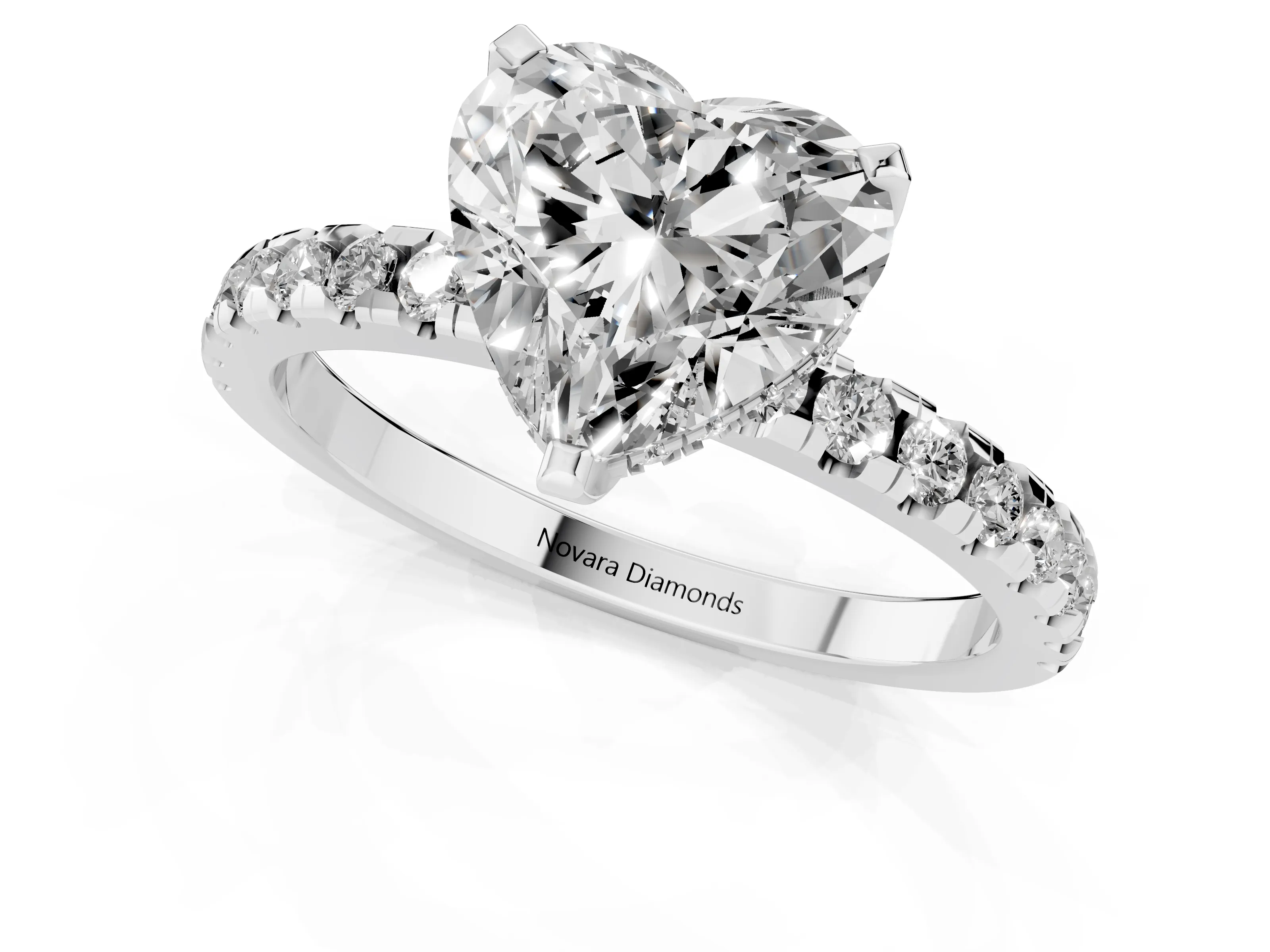
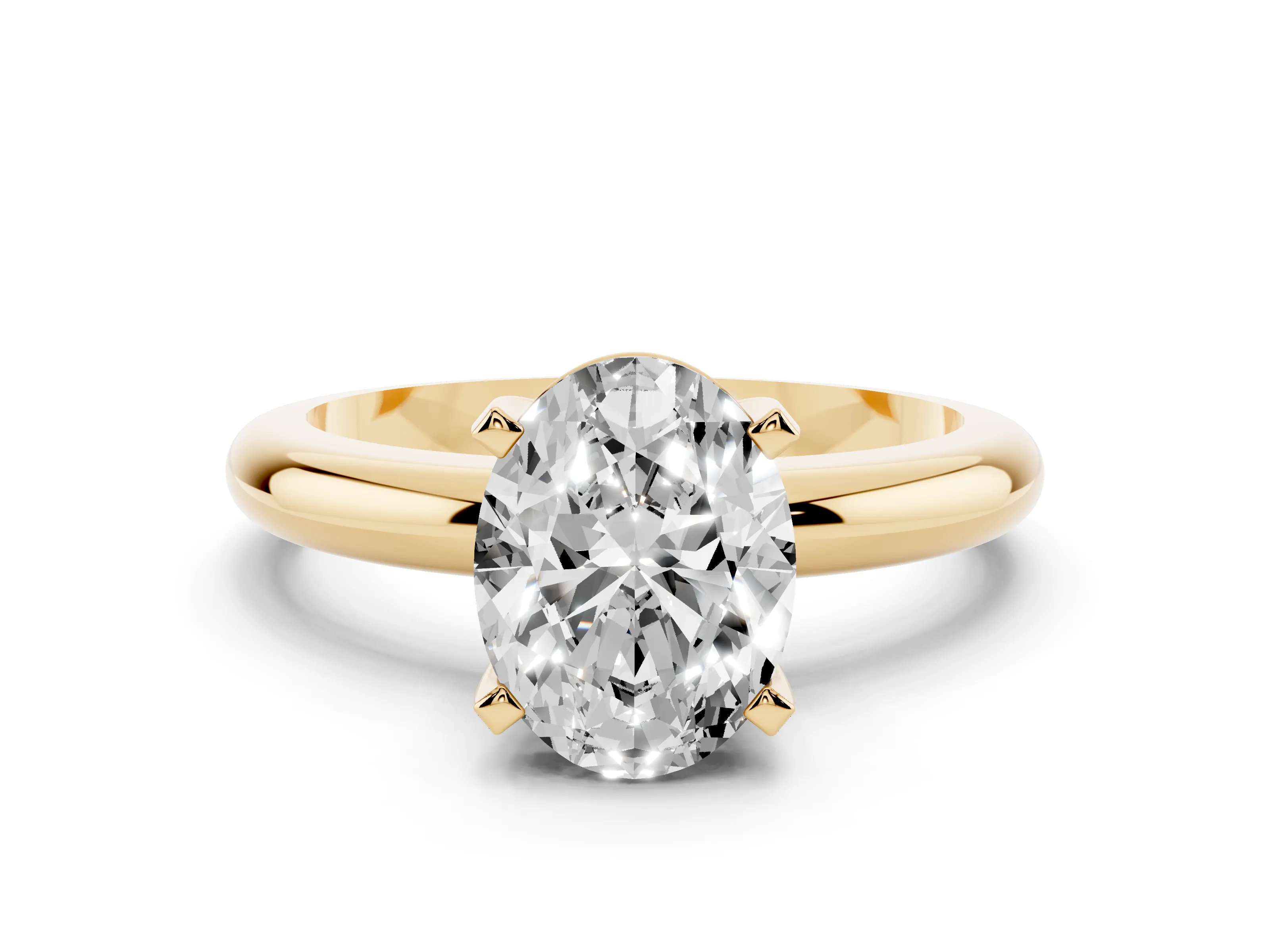
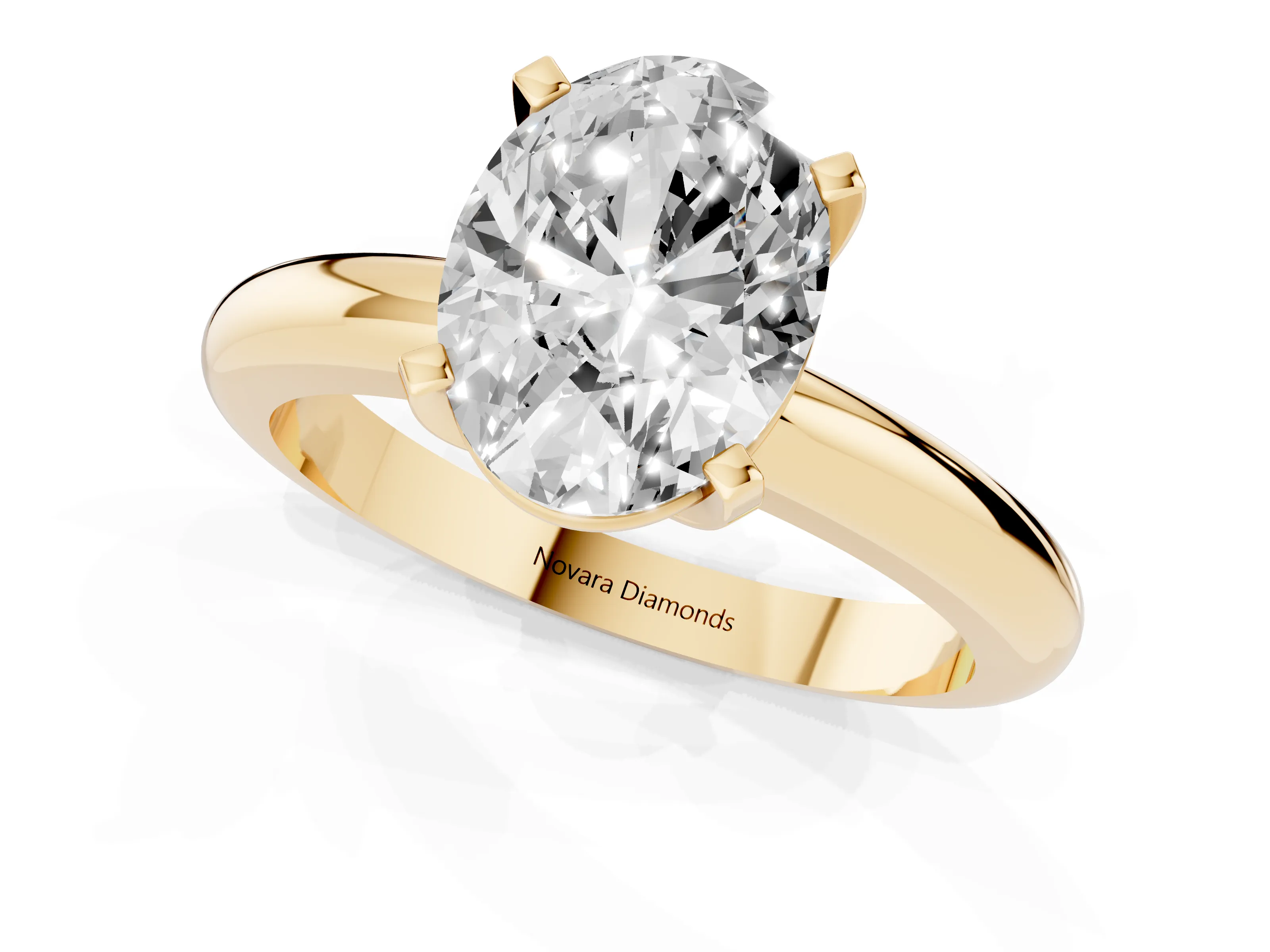
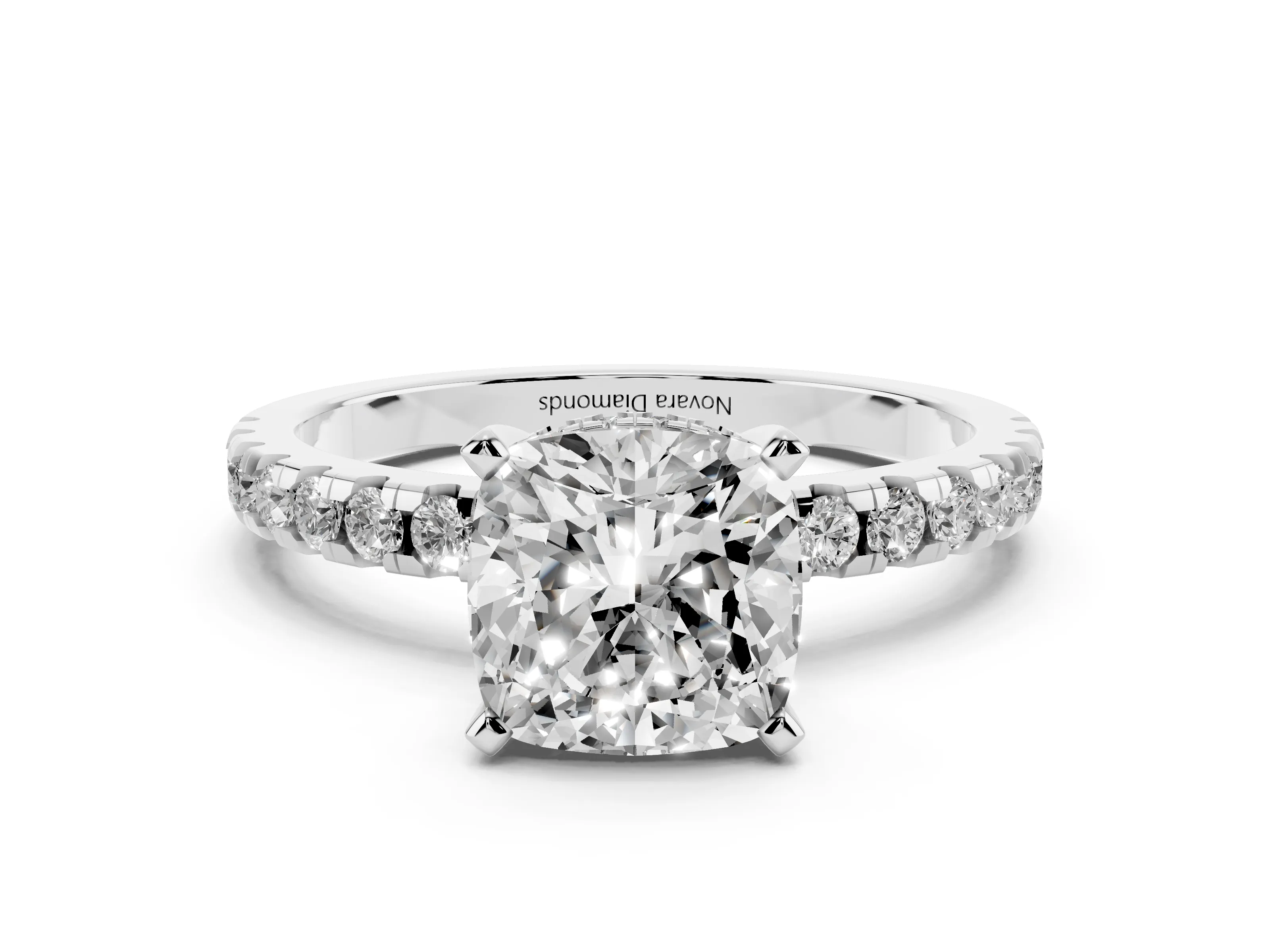
Showing 1–14 of 2282
More to discover
 Gold Solitaire Engagement Rings
 Gold Engraved Rings
 Gold Infinity Rings
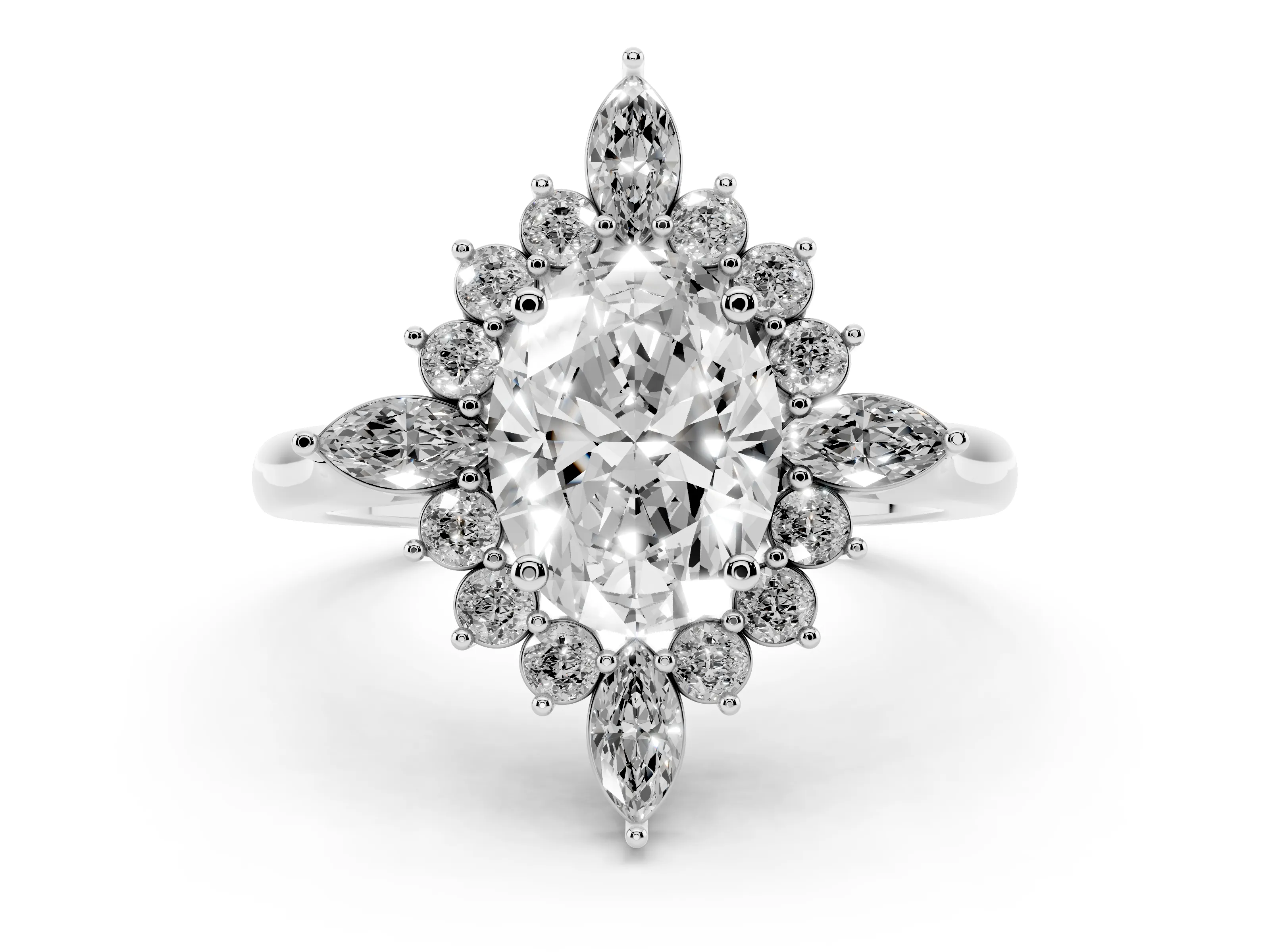 Gold Cluster Rings
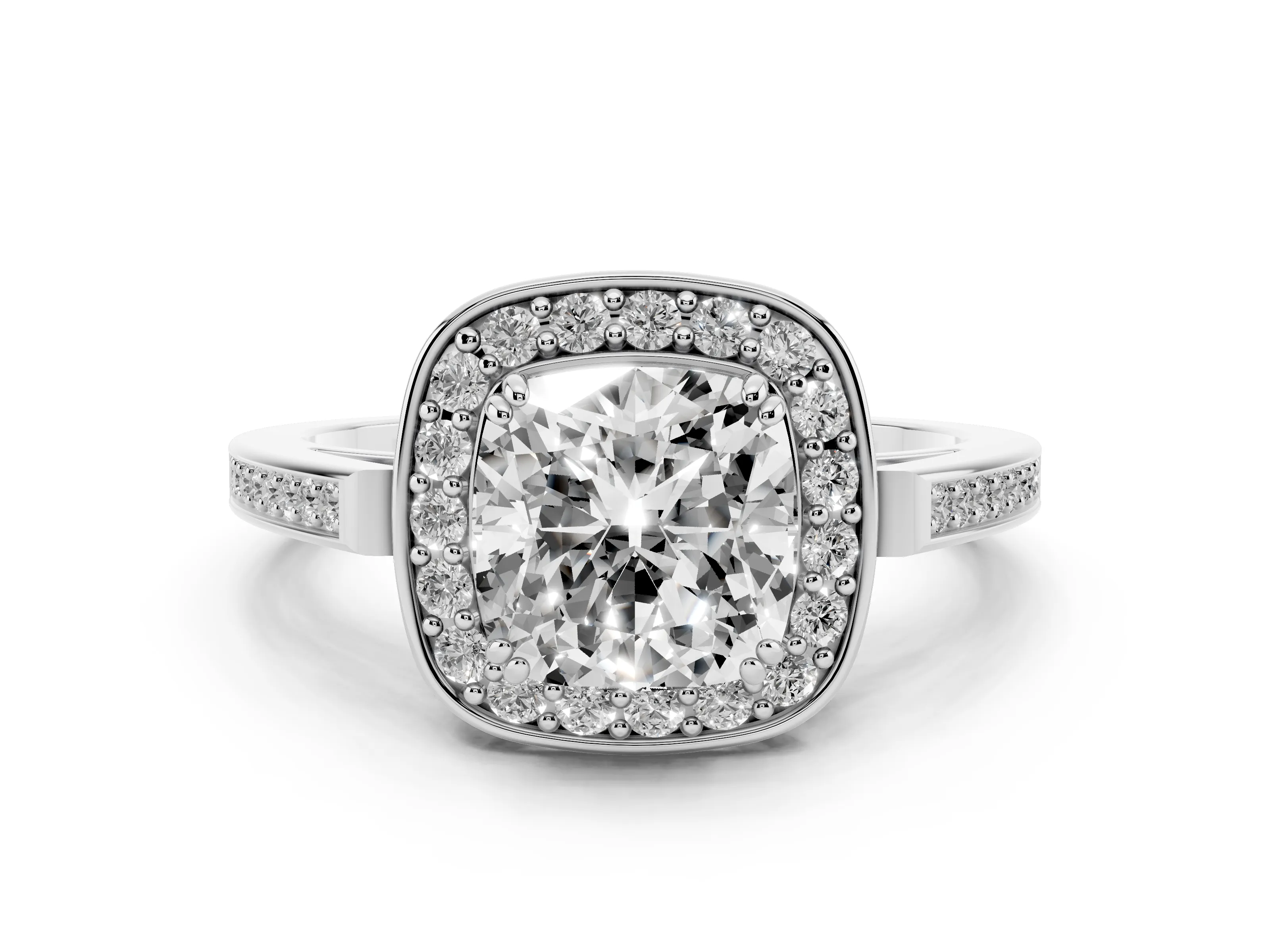 Gold Halo Engagement Rings
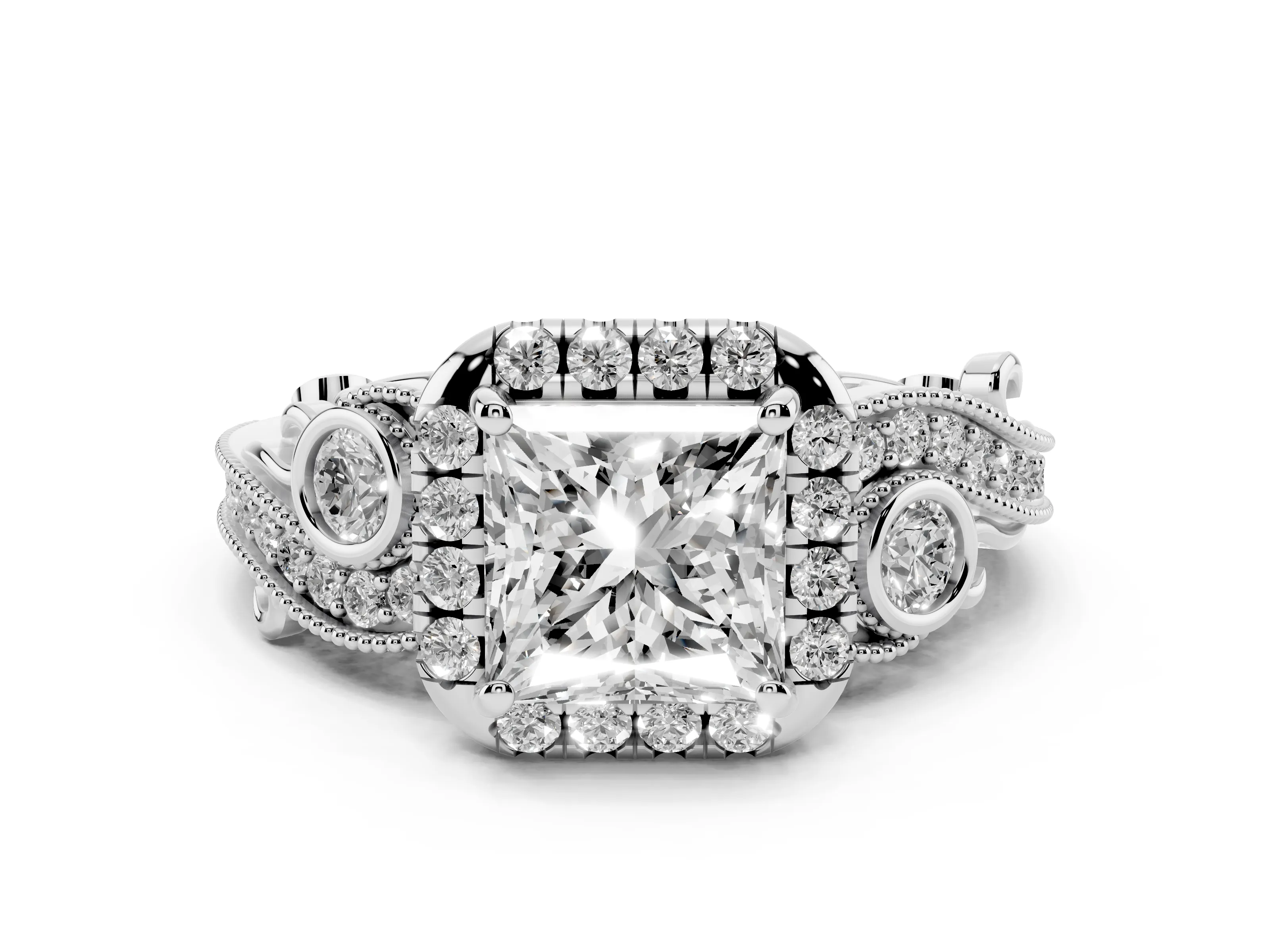 Gold Bezel RingsGold Filigree Rings
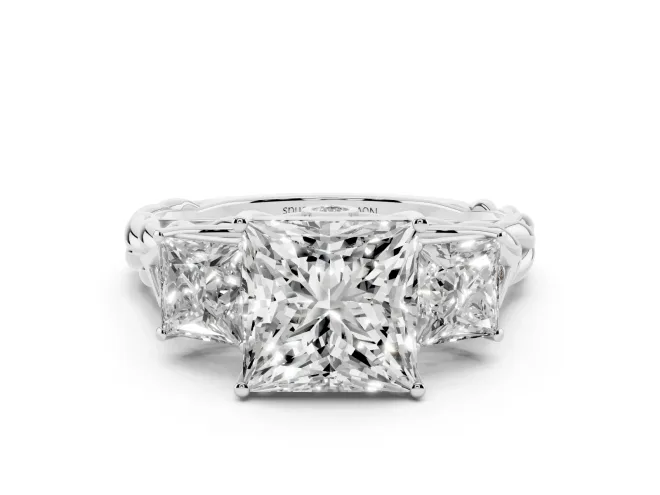 Gold Three Stone RingsGold Twisted Rings
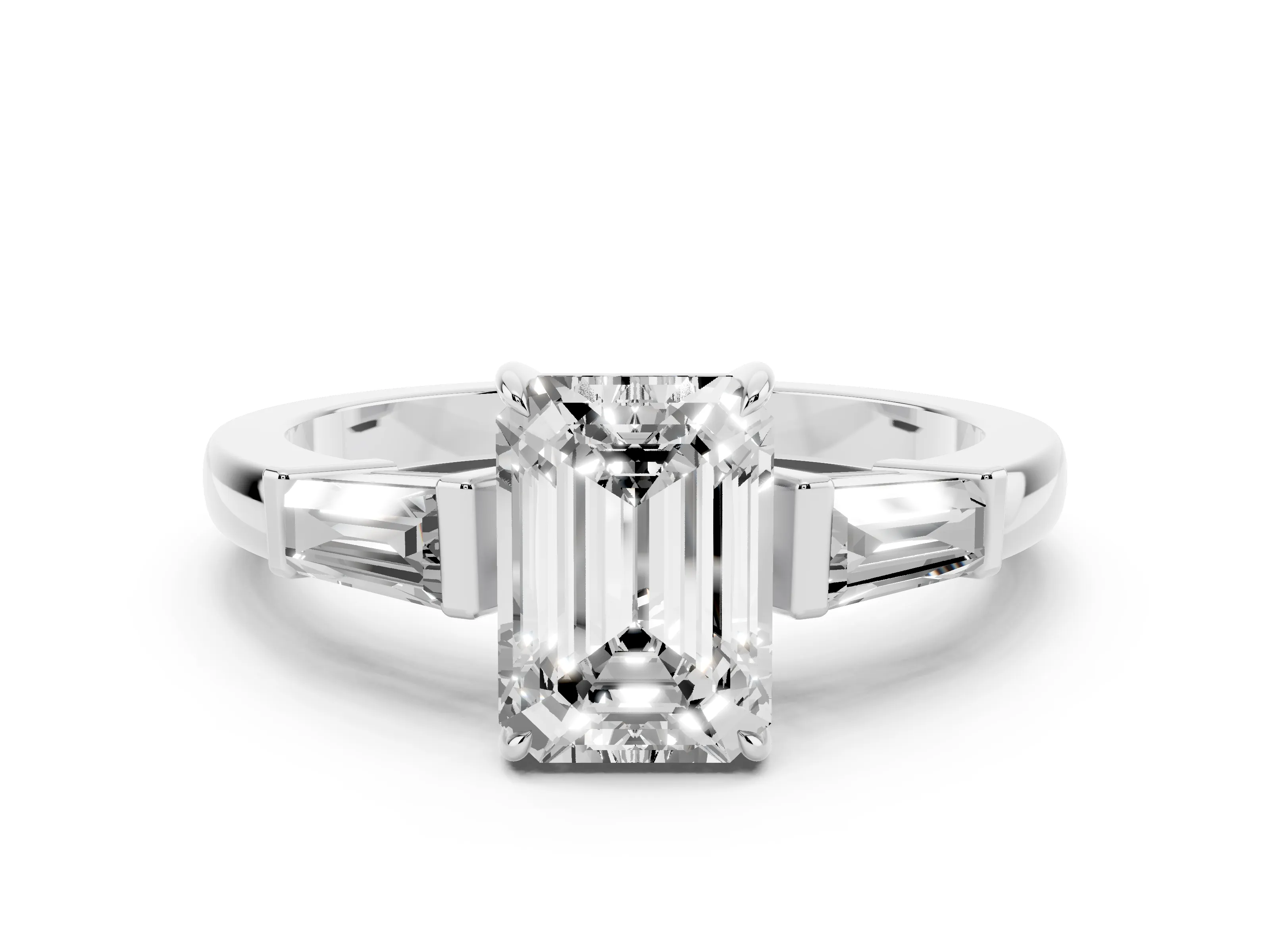 Gold Baguette Side Stone Rings
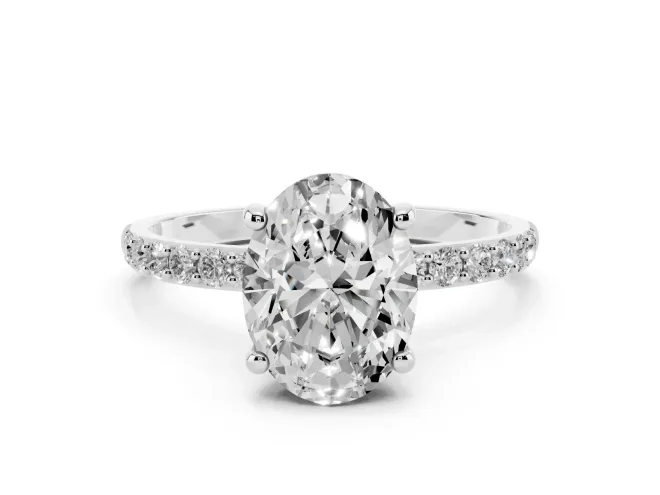 Sterling Silver Engagement RingsWhite Gold Diamond RingsPlatinum Rings
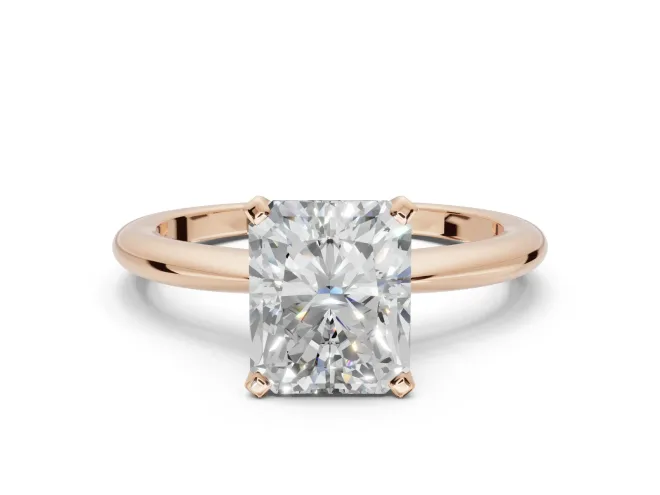 Rose Gold Engagement Rings
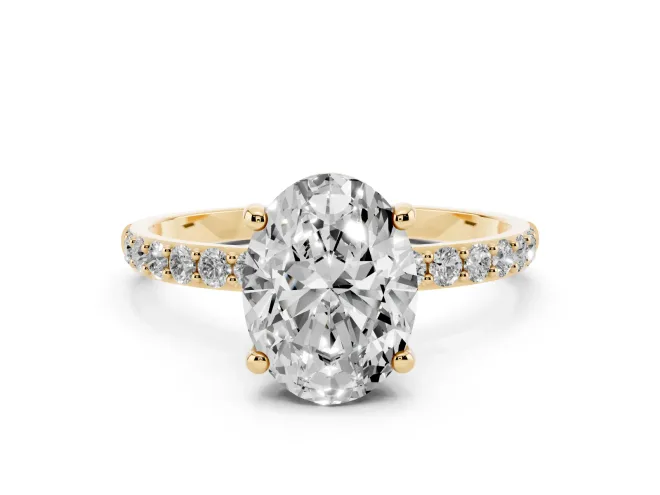 Yellow Gold Diamond Engagement Rings
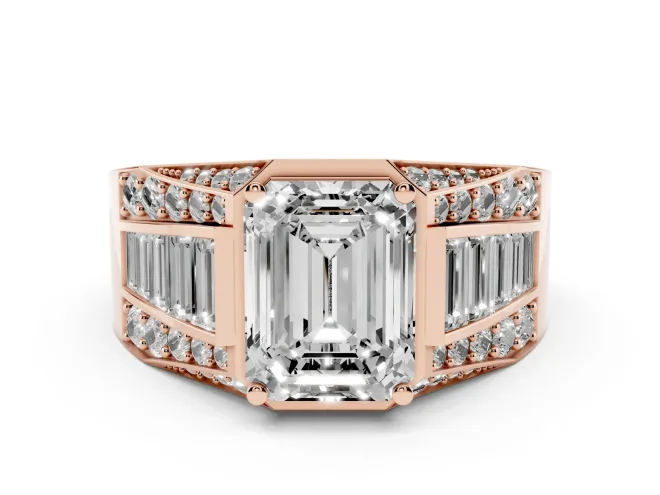 Gold Men's Engagement Rings
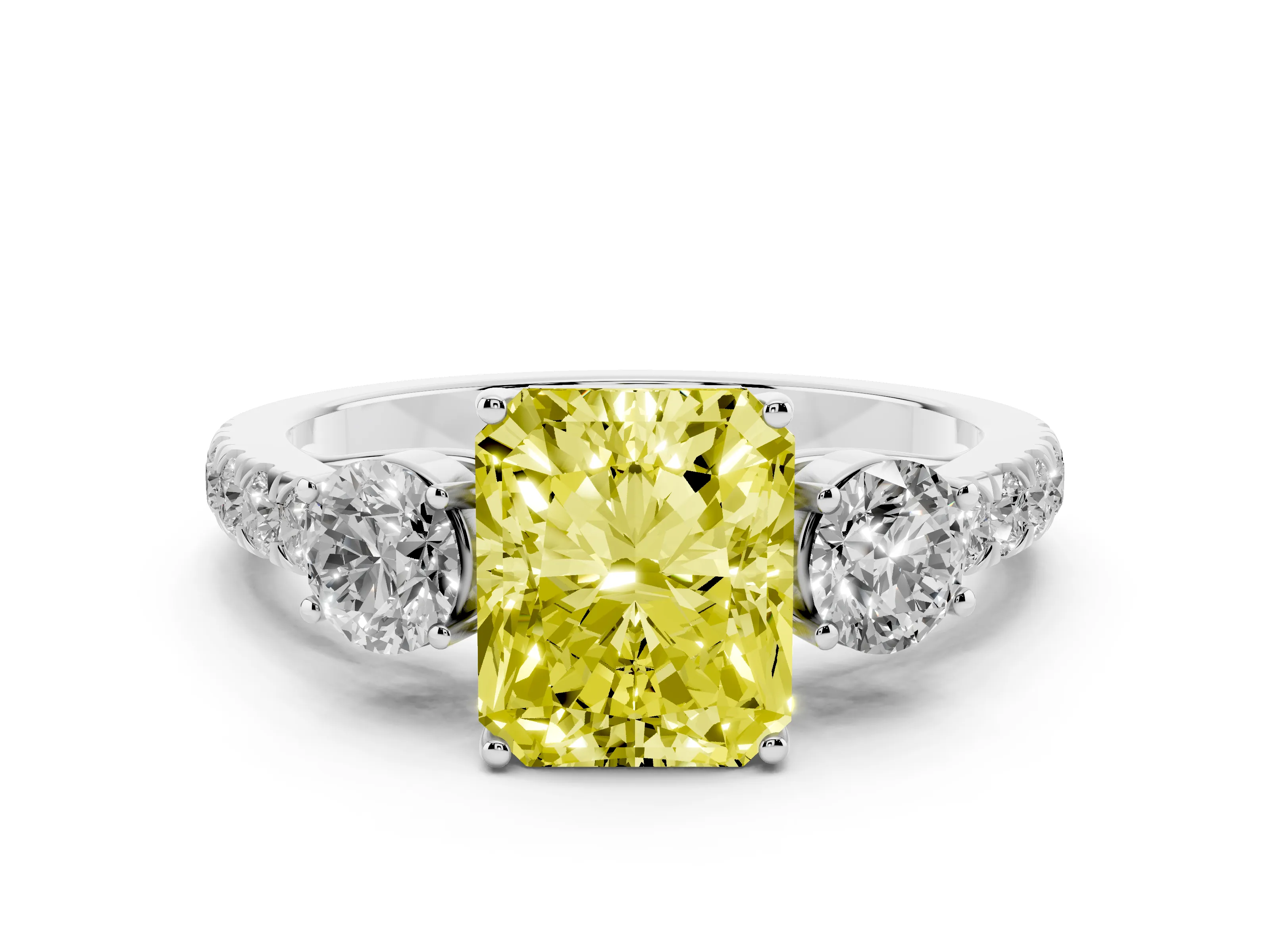 Gold Yellow Diamond Rings
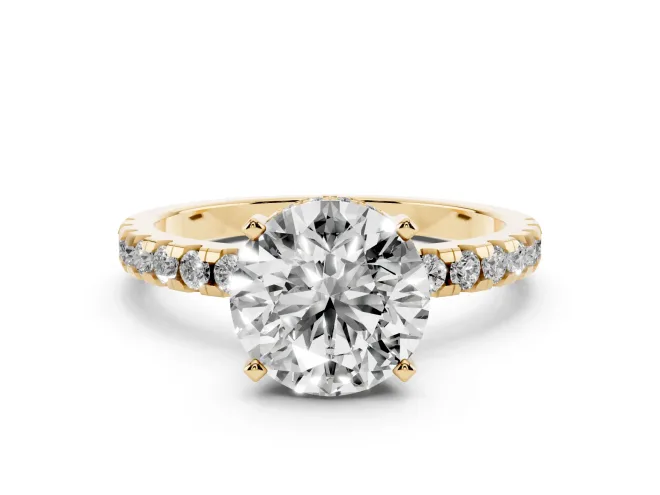 1 Carat Lab-Grown Diamond Gold Rings
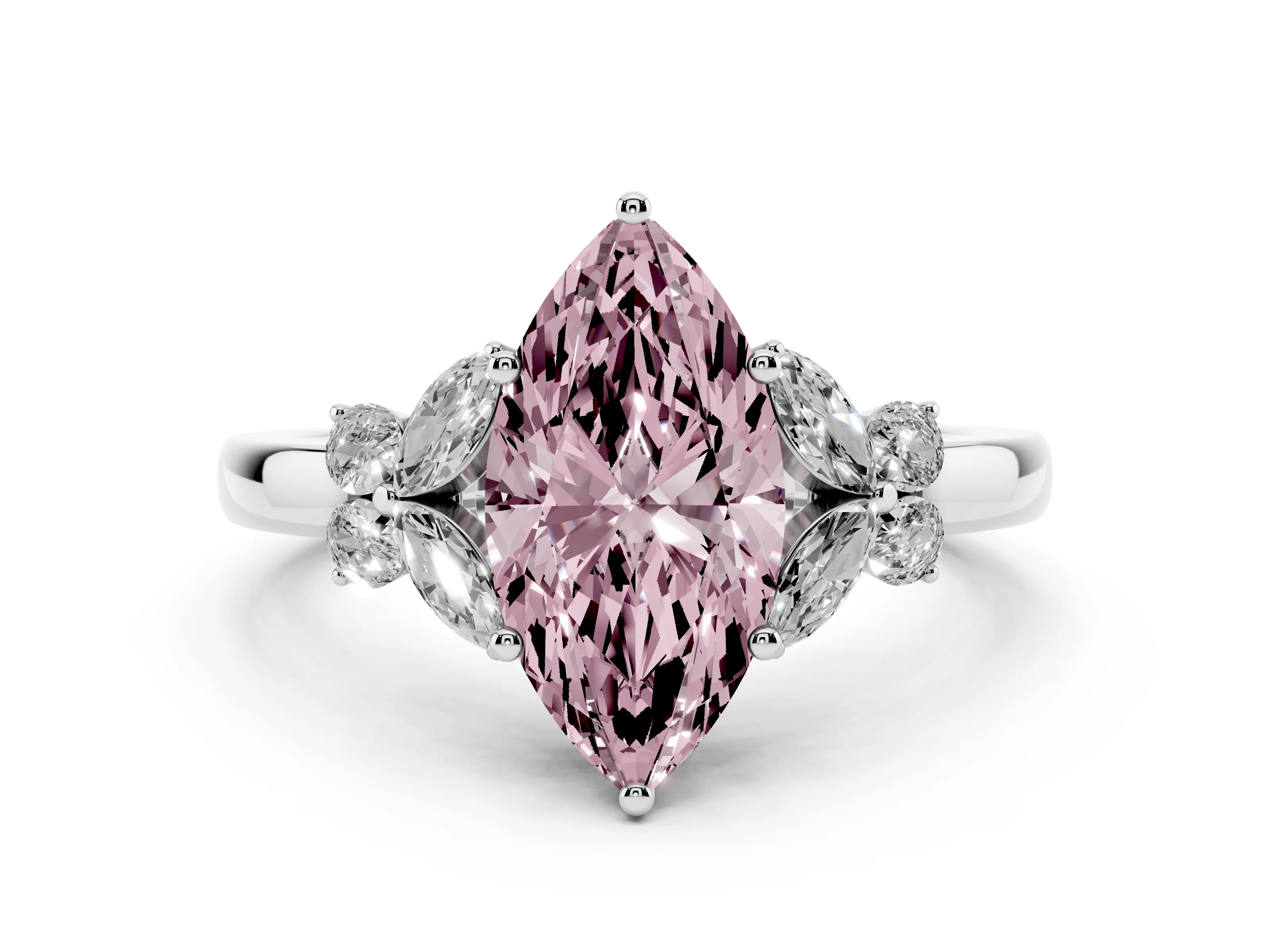 Gold Pink Diamond Rings
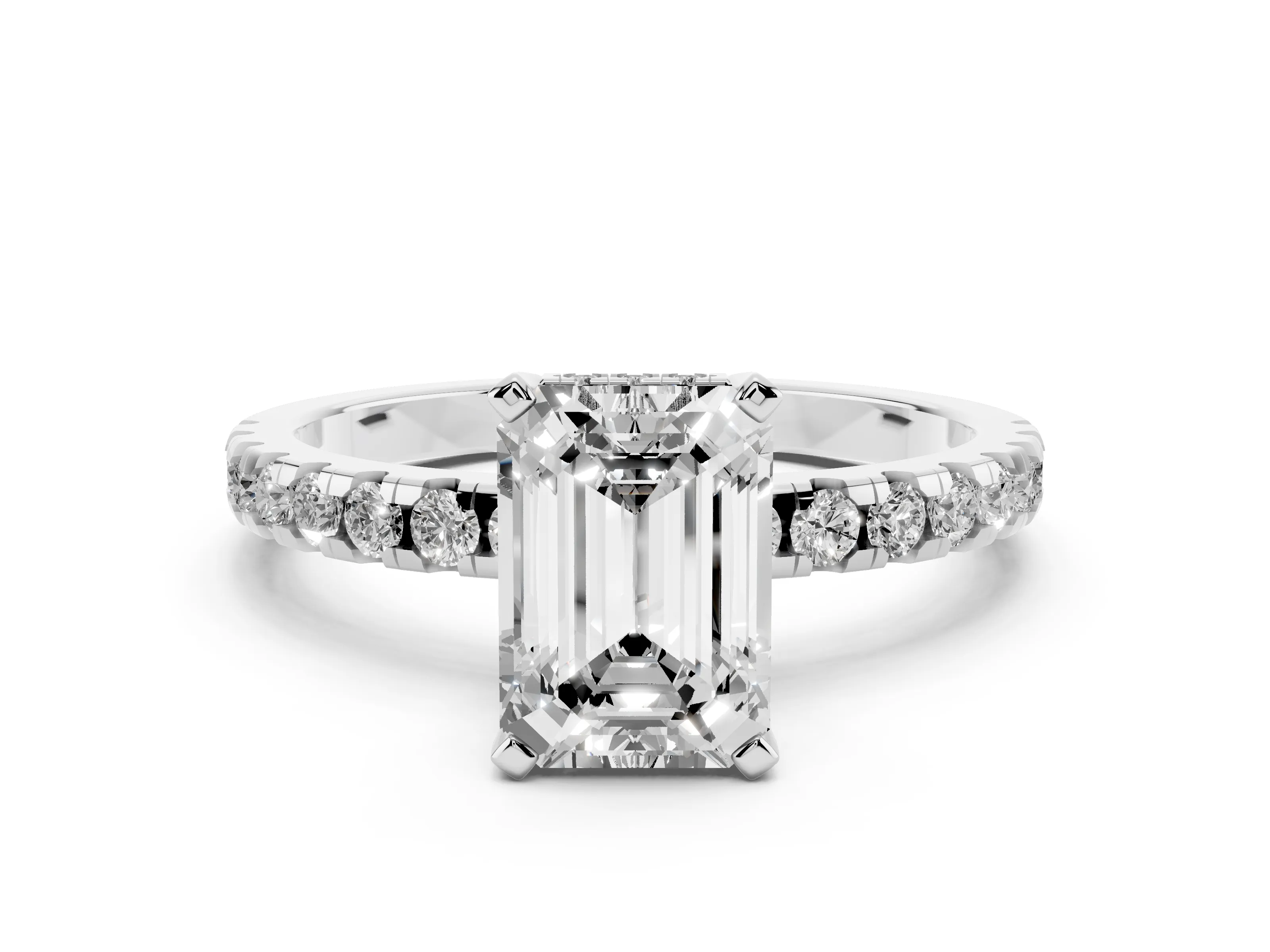 2 Carat Lab-Grown Diamond Gold Rings
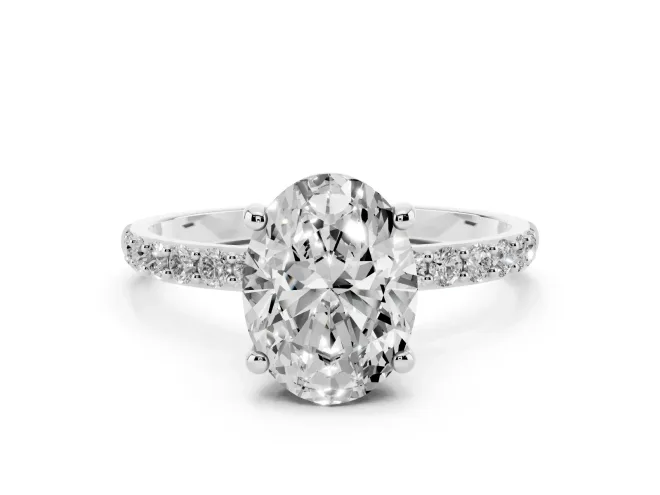 3 Carat Lab-Grown Diamond Gold Rings
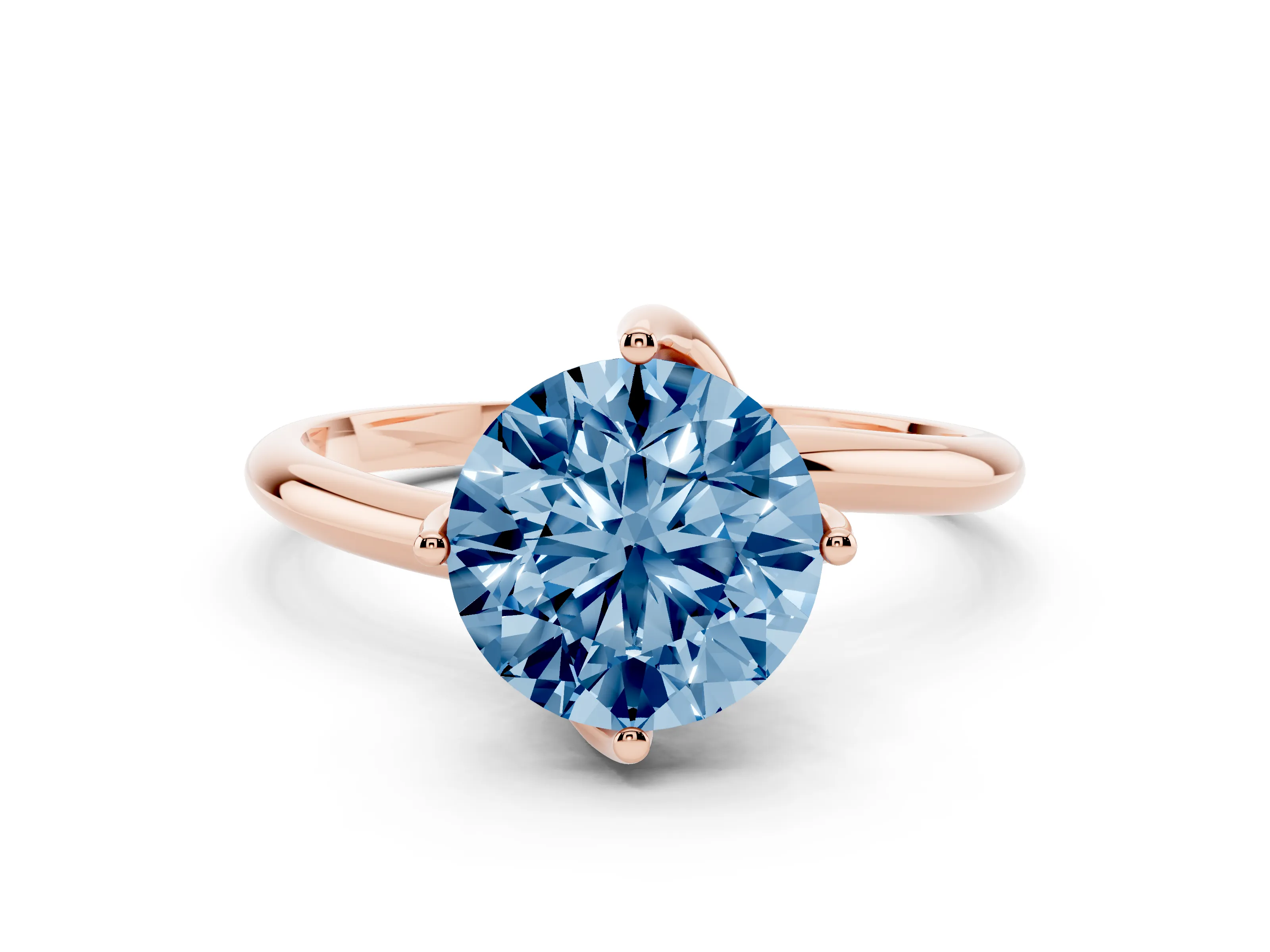 Blue Diamond Gold Rings
Solitaire, pavé or halo
- Solitaire: an unadorned shank that leaves the center to speak alone.
- Pavé and side stone: shoulders lined with lab-grown diamond accents, so the ring glints even in profile.
- Halo or hidden halo: a collar of small stones, visible or tucked beneath, that stretches how big the center reads.
Choosing the center
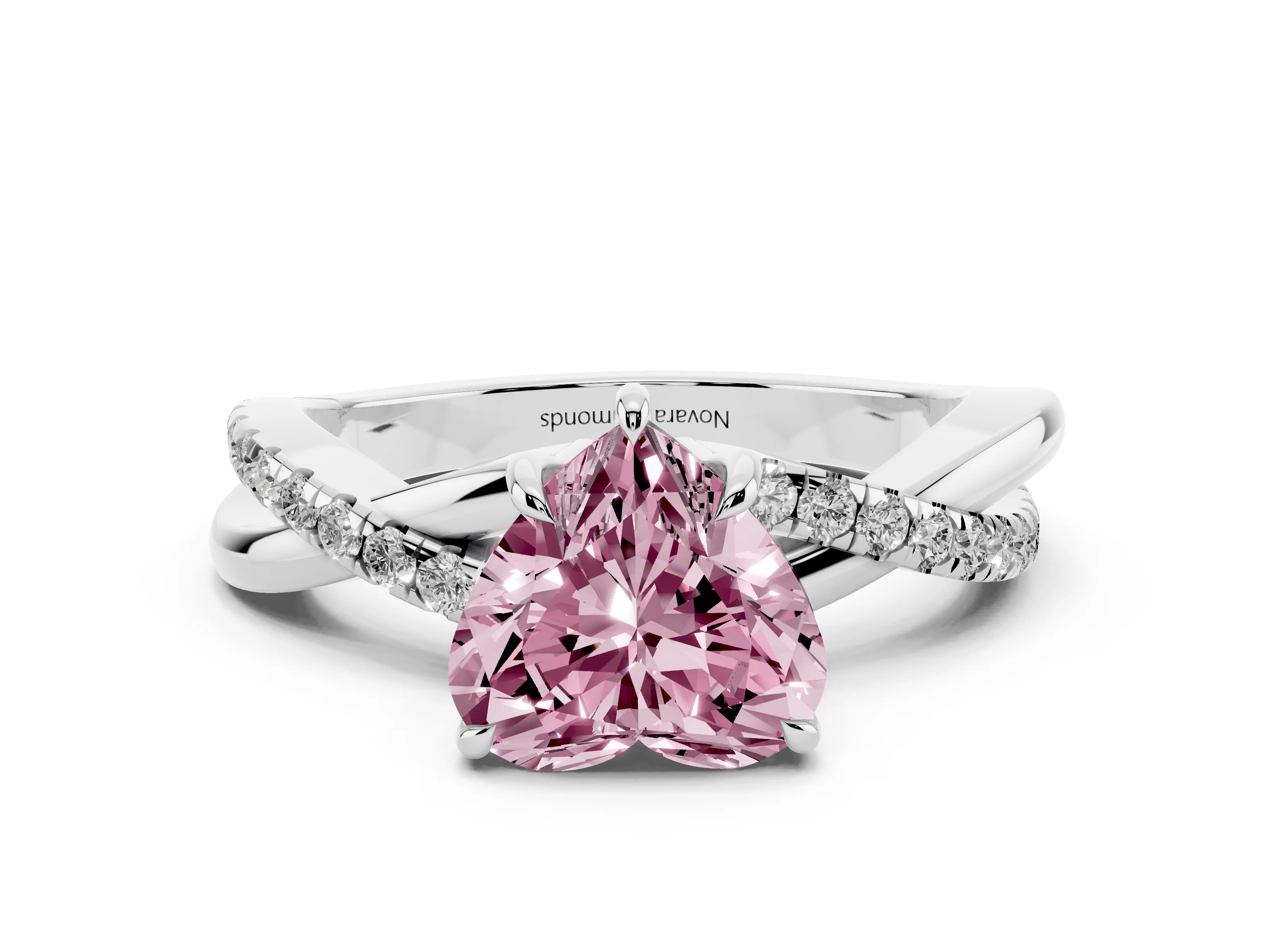
Most settings accept every common shape, round and oval through cushion, radiant, princess, emerald, Asscher, pear, heart and marquise. Many designs are also drawn to hold a fancy color, from blush pink and canary yellow to blue or green, and a few hold black. Whichever stone goes in ships with its IGI or GIA grading report. Prices here cover the setting alone, from under $450 and mostly about $950 to $1,250, with the stone billed separately.
Gold color against the center
- White gold: a pale, cool surround that sharpens a colorless stone.
- Yellow gold: warmth around the stone and a classic look with milgrain or engraving.
- Rose gold: a soft pink tone, flattering with pink or warm centers.
Prongs and everyday wear
Prongs hold the center, so knocks against counters and door frames matter more than on a plain band. Have the prongs checked each year, take the ring off for lifting and cleaning, and a short sudsy soak plus a gentle bristle keeps the accents clear of film.
Gold Rings: Common Questions
Yellow gold vs white gold engagement rings: which should I choose?
Choose by the look you want around the center. White gold makes a colorless center read brighter and suits cool tones; the rhodium layer on it thins with wear and is simple to replate. Yellow gold warms the stone and gives a vintage feel, especially with milgrain. Nearly every setting on this page comes in both, so compare them on one design.
Which is cheaper, 10K or 14K gold?
10K gold is cheaper. It holds 41.7% pure gold against 58.3% in 14K, so less precious metal goes into the setting. 10K is also slightly harder and a little paler. On these settings you pick the karat on the product page and the setting price updates; the stone itself is billed on its own.
Is 14K yellow gold the same as 14K gold?
Not quite. 14K only means the metal is 58.3% pure gold; the other metals mixed in set the color. Yellow, white and rose 14K gold share the same gold content but look different, and white gold is usually rhodium plated. When a listing says only "14K gold," it usually means yellow.
Which color of gold is the most expensive?
At the same karat, the gold content is identical, so the price gap between colors is small. White gold can run slightly higher, since it is plated and often alloyed with pricier white metals. Karat matters far more than color: 18K costs more than 14K, which costs more than 10K, in any color.
Do solid gold rings bend?
Yes, under enough force. Gold is a soft metal, and thin bands or higher karats bend most easily; a hard knock or gripping weights can push a shank out of round. 10K and 14K resist this better than 18K. A thicker shank helps, and the prongs holding your center deserve a check each year.


